Introduction
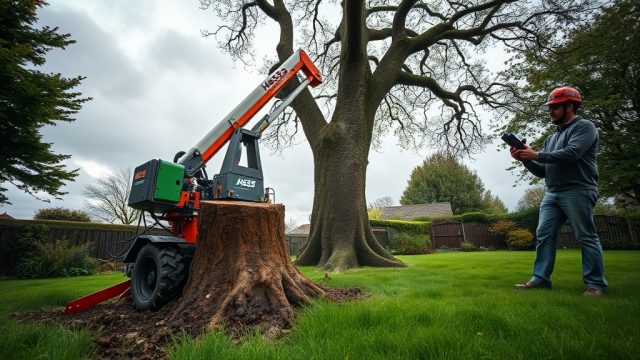
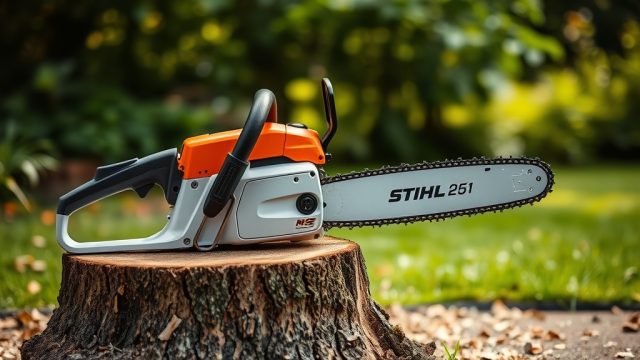
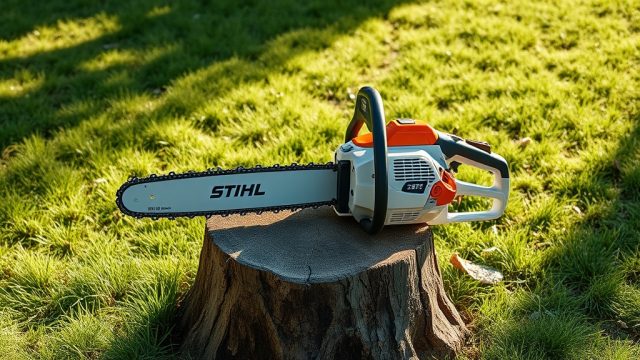
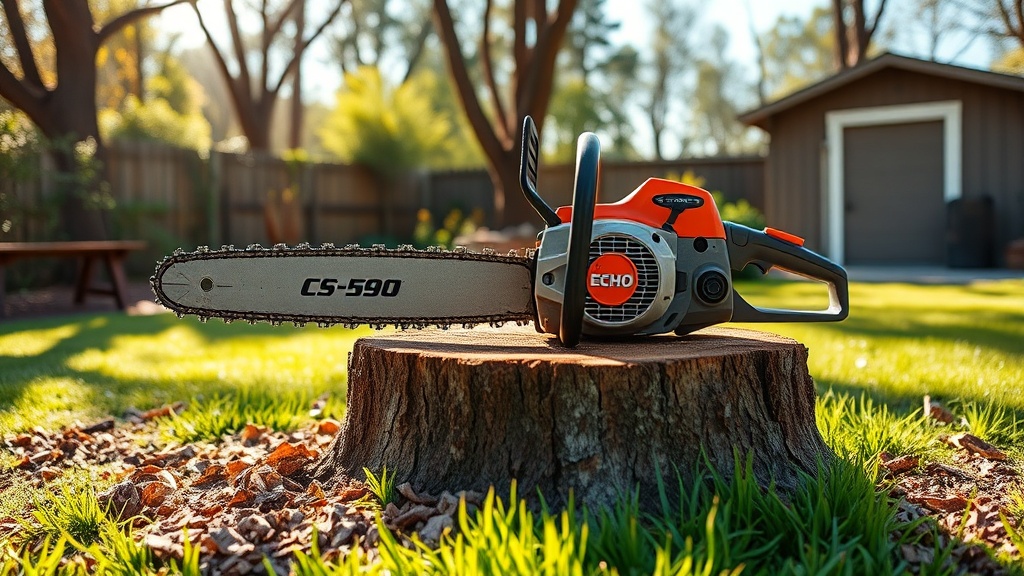
When tackling stump grinding with the Echo CS-590, homeowners and arborists alike discover a powerful tool that can handle tough stumps with the right technique. This chainsaw, known for its 59.8 cc engine and 4.4 ft-lbs of torque, is a capable machine for cutting below ground level when used correctly. To achieve smooth removal without damaging the saw or risking injury, follow these stump-grinding-removal tips tailored specifically for the Echo CS-590.
What Makes the Echo CS-590 Suitable for Stump Grinding Tasks?
Stump grinding demands a chainsaw that can withstand prolonged cutting in dirt, rocks, and tough wood. The Echo CS-590 stands out due to its professional-grade build and high torque output, which allows it to maintain cutting speed even under load. Its 20-inch bar is ideal for reaching into tight spaces around stumps, while the G-Force Engine Air Pre-Cleaning System reduces debris intake, a critical feature when cutting near the soil where dust and grit are abundant. Compared to consumer models, the CS-590’s magnesium crankcase and chrome cylinder provide durability needed for repeated stump work, though it still requires careful maintenance after each session to ensure longevity.
For those debating whether to use the CS-590 or hire a professional service, the decision often comes down to volume. If you have multiple stumps to grind, the saw can save you £150–£300 per stump compared to hiring out, but it demands physical effort and proper technique. For a deeper breakdown, see our article on Echo CS-590 vs Hiring a Pro: Which is Better?
How Should You Prepare the Stump for Grinding with the CS-590?
Preparation is the cornerstone of safe and effective stump grinding. Start by clearing the area around the stump of rocks, debris, and visible roots. Use a shovel to expose the stump’s base, cutting away soil to a depth of 2–3 inches. This step reduces the risk of the chain contacting hidden stones, which can dull the chain instantly or cause kickback. Mark any underground utilities (gas, water, electric) with flags before proceeding—contact your local utility service if unsure, as cutting into a gas line can lead to catastrophic consequences.
Next, assess the stump’s wood condition. Decayed stumps may require more aggressive cutting, while fresh stumps from a recent felling—like those from pine trees—can be easier to grind due to softer wood. For guidance on handling specific species, refer to our piece on Echo CS-590 for Pine Tree Removal: Tips & Techniques. Once prepared, set the saw’s chain tension to manufacturer specifications (chain should snap back when pulled 1/8 inch from the bar) and fill the fuel tank with a 50:1 mix of 89+ octane gasoline and high-quality two-stroke oil.
What Is the Best Cutting Technique for Stump Grinding with the Echo CS-590?
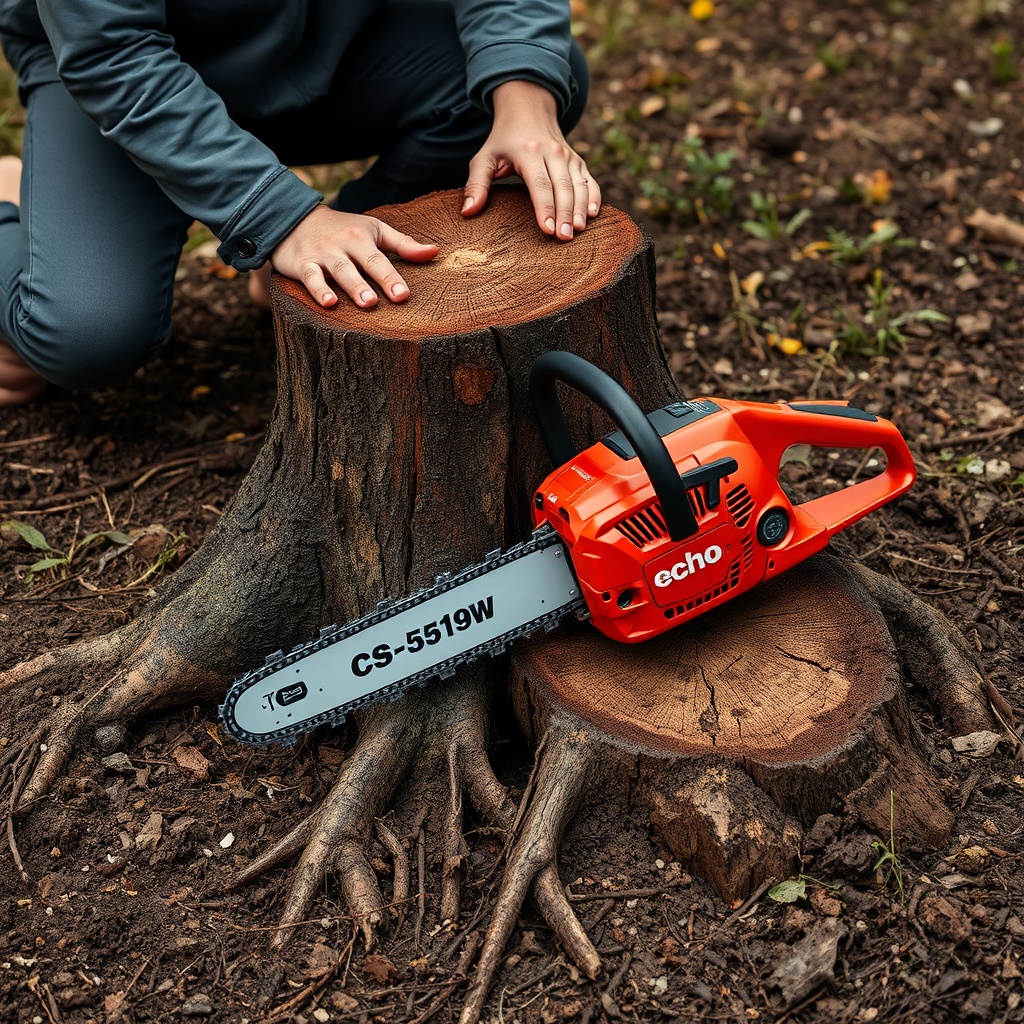
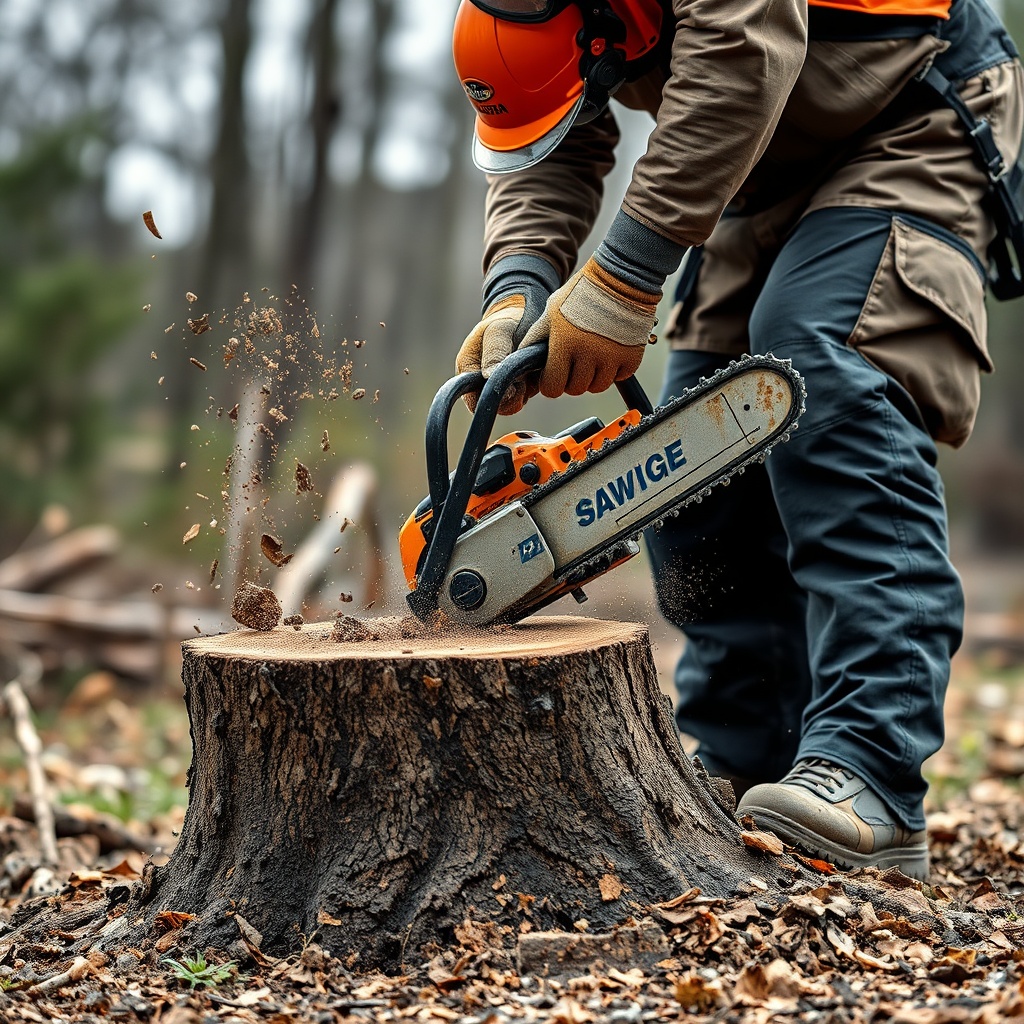
Stump grinding requires a methodical approach to minimize blade wear and maintain control. Begin by making vertical cuts into the stump’s side, approximately 2–3 inches deep and 4–6 inches apart, creating a grid pattern. This technique helps break the wood into manageable chunks. Then, use the saw’s nose (the tip of the bar) to cut horizontally through the base, working from the outer edges inward. Avoid plunging the bar full-depth immediately; instead, take shallow passes to reduce stress on the engine.
A crucial safety tip: never cut with the saw’s underside facing you (push cut) when grinding stumps, as this can cause the saw to lurch forward. Always use the top of the bar (pull cut) so the saw pulls away from your body. For deep roots, angle the saw downward at 45 degrees, making short, controlled cuts. The CS-590’s side-mounted chain tensioner is a plus here—you can adjust chain tightness on the fly without tools, which is essential when cutting through dense wood.
Here’s a reference table for typical stump sizes and estimated cutting times with the Echo CS-590, assuming sharp chain and proper technique:
| Stump Diameter | Wood Type | Estimated Cutting Time (minutes) | Recommended Approach |
|---|---|---|---|
| 12–18 inches | Softwood (pine, fir) | 10–15 | Vertical cuts first, then horizontal base cuts |
| 18–24 inches | Hardwood (oak, maple) | 20–30 | Grid pattern, multiple passes at 2-inch depth |
| 24–36 inches | Mixed/decayed wood | 35–50 | Focus on root flare, use wedge to split large chunks |
Always monitor the saw’s temperature—if the engine feels hot to the touch after 20 minutes of continuous use, give it a 5-minute cool-down before proceeding. Overheating can damage the piston rings and reduce the saw’s lifespan.
How Do You Maintain the Echo CS-590 After Stump Grinding?
Post-grinding maintenance is non-negotiable to keep the CS-590 running smoothly. Dirt and sap accumulate quickly when cutting near the ground, so start by cleaning the saw thoroughly. Use a stiff brush to remove debris from the air filter, cooling fins, and spark arrestor. The air filter should be washed in warm soapy water, dried completely, and re-oiled. Inspect the chain for damage—burrs, cracks, or broken teeth—and replace if needed. The bar should be flipped or replaced if grooves are worn, as this affects chain alignment.
Additionally, check the chain brake function. Grinding stumps often involves kickback-prone cuts, so test the brake by engaging it while the saw is off; it should lock easily. Lubricate the bar nose sprocket every 10 hours of use with a grease gun. Finally, store the saw with an empty fuel tank to prevent carburetor gumming—run the engine dry after each session. For a full list of protective gear you should wear during cleanup, read our guide on Echo CS-590: Recommended Safety Gear for Beginners.
What Are the Safety Risks Unique to Stump Grinding with This Saw?
Stump grinding introduces specific hazards that differ from typical felling or limbing tasks. Kickback is the primary risk—since you’re cutting at ground level, the bar tip can contact soil, roots, or stones, causing the saw to throw back violently. Always keep both hands on the handles and maintain a firm grip. Wear a helmet with a face shield and ear protection; the CS-590 runs at 110 dB at full throttle, so hearing damage can occur without protection.
Another danger is the saw becoming stuck in the stump. If the bar gets pinched, turn off the saw immediately and use a wedge or second saw to free it. Never yank the saw out while the chain is moving, as this can break the bar or cause injury. Also, be aware of the saw’s weight—the CS-590 is 13.4 lbs (without bar/chain), so prolonged grinding can lead to fatigue. Take regular breaks to maintain control. For strategies to handle storm-damaged stumps, check out Echo CS-590 Storm Damage Recovery: Safe Practices.
What Owners Say About Using the Echo CS-590 for Stump Grinding
Owner feedback consistently highlights the CS-590’s balance of power and affordability. On forums and review sites, users report that the saw handles stumps up to 20 inches in diameter with relative ease, though many note that the stock chain dulls quickly in dirty conditions. Frequent replacements of the chain (every 2–3 stumps for heavy users) are common, but the saw’s low cost of ownership—around £450 new—makes it a favourite for DIY enthusiasts. One user on a UK arborist forum mentioned, “I’ve ground twelve stumps in my garden over three weekends, and the CS-590 never missed a beat. Just keep the chain sharp and take breaks.” Another caution: “Don’t skip the air filter cleaning after every use, or you’ll be rebuilding the carburetor in a year.”
Professional arborists, however, often note that while the CS-590 is good for homeowner tasks, it lacks the anti-vibration and long-term durability of higher-end saws like the Stihl MS 500i. Still, for the price point, it gets high marks for stump grinding when used within its limitations. For those mastering felling basics before grinding, our guide on Echo CS-590 Felling Basics for Tall Trees is a helpful primer.
Frequently Asked Questions
Q: Can the Echo CS-590 grind stumps below ground level?
Yes, but only with caution. You can cut up to 2–3 inches below the soil surface, but going deeper risks hitting rocks or causing kickback. For complete subsurface removal, consider renting a dedicated stump grinder.
Q: How often should I sharpen the chain when grinding stumps?
Sharpen the chain after every 30–60 minutes of grinding, or sooner if you notice sawdust instead of chips. Dull chains increase friction, heat, and kickback risk.
Q: What fuel mix does the Echo CS-590 require?
Use a 50:1 ratio of unleaded gasoline (89 octane minimum) to Echo Power Blend X two-stroke oil. Never use standard motor oil; it can damage the engine.
Q: Is the Echo CS-590 too heavy for stump grinding?
At 13.4 lbs (dry weight), it is heavier than some homeowner models, but the weight aids stability when cutting. Use a harness if you have multiple stumps to grind to reduce fatigue.
Q: Can I use the CS-590 to grind stumps from poison ivy or treated wood?
Avoid grinding stumps with chemical treatments or toxic plants, as the saw can spray toxins or irritants. Wash the saw thoroughly after any contact with such material.
Q: How long does it take to grind a 20-inch stump with the CS-590?
Typically 20–30 minutes of active cutting time, assuming the wood is not too dense and the chain is sharp. Allow extra time for clearing debris and taking breaks.