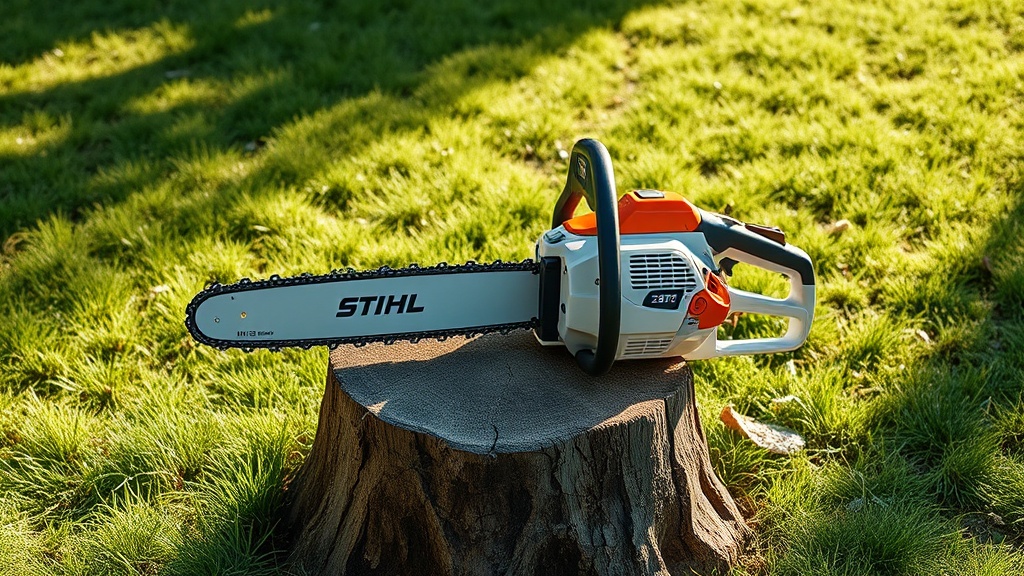
Stihl MS 251 Stump Grinding Tips for Small Stumps
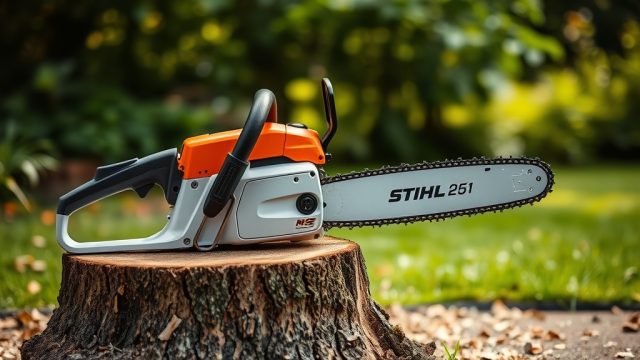
Tackling a small stump with a Stihl MS 251 is a practical way to clear your garden without hiring heavy machinery. While this chainsaw isn’t a dedicated stump grinder, its mid-range power and manageable weight make it surprisingly effective for cutting low, shallow stumps. In this guide, we’ll cover specific techniques, safety checks, and realistic expectations for using the MS 251 on stumps up to 8 inches in diameter.
What Makes the Stihl MS 251 Suitable for Small Stump Grinding?
The Stihl MS 251 sits in the sweet spot between homeowner saws and professional ground equipment. With a 45.6 cc engine delivering about 3.5 bhp, it provides enough torque to chew through dry or seasoned wood without bogging down. The saw’s 18-inch bar is long enough to reach across most small stumps, but short enough to stay stable when cutting near ground level. Its anti-vibration system helps you maintain control when working close to the dirt, where vibrations are more pronounced. For stumps under 6 inches in diameter, you can usually reduce them to below grade in under 20 minutes. Larger stumps, up to 8 inches, require more passes and patience, but the saw can handle the task if you use sharp chain and proper technique.
Before you start, check the chain tension and ensure the bar oil is topped up—grinding close to soil will dull a chain faster than normal felling. You’ll also want to clear the area of rocks, roots, and debris that could kick back or damage the chain. Refer to our guide on Stihl MS 251: Must-Have Safety Gear for Beginners for a full list of recommended protection, including chaps, steel-toe boots, and hearing protection.
How Should You Position the Saw for Low Cuts?
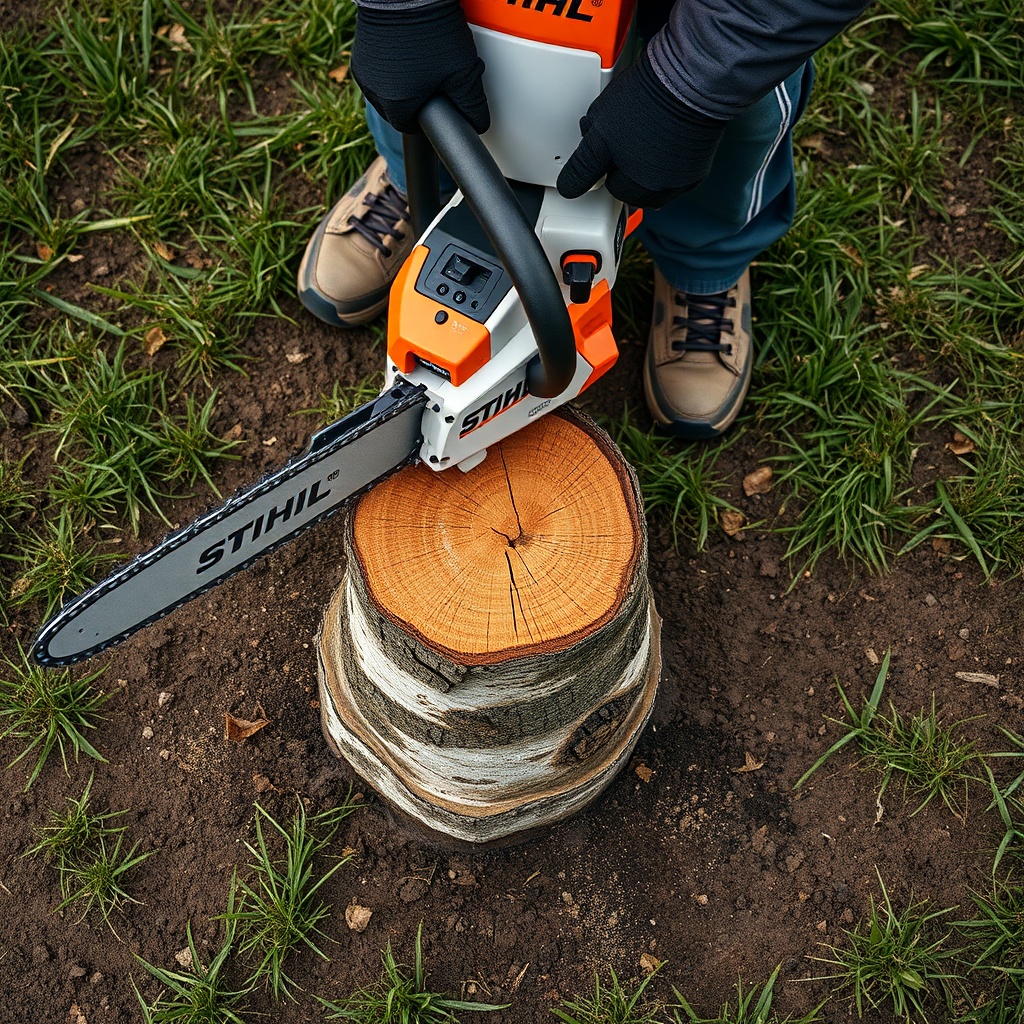
When grinding a stump, the goal is to cut as close to ground level as possible. Start by making a horizontal cut about 2 inches above the soil, working from the outside in. Use the lower part of the bar tip (the bumper spike area) to stabilise the saw against the wood. Keep the saw level and your elbows locked to avoid dipping the bar into dirt. If the stump is wider than the bar, make relief cuts—vertical kerfs spaced 2–3 inches apart—then knock out the waste with a horizontal cut. This technique, sometimes called ‘pencil sharpener’ style, reduces kickback risk and lets the saw work through large fibres without binding.
Avoid plunging the bar directly into the centre of a large stump. Instead, work around the perimeter, removing wood in 2-inch layers. For stumps that sit low to the ground, you may need to dig out a shallow trench around the base to get the bar underneath. This extra effort pays off because it keeps the chain out of soil, extending its life. If you’re new to this, practice on a softwood stump first; pine or spruce yields easier than oak or hickory.
What Chain and Bar Setup Is Best for Stump Work?
For stump grinding with the Stihl MS 251, a standard 18-inch bar with a 3/8-inch pitch, 0.050-inch gauge chain is adequate. However, a skip-tooth chain can be beneficial because it reduces the number of cutters engaging at once, lowering the risk of bogging in thick, tough wood. The skip pattern also helps clear sawdust from the cut area more efficiently when working near ground level. If you frequently grind stumps, consider switching to a carbide-tipped chain—while expensive at around £45 per loop, it lasts 5–10 times longer than standard chain when hitting dirt. For occasional use, a sharp standard chain serviced every two hours of cutting will suffice.
Bar oil is critical: use a high-quality, tacky bar and chain oil designed for heavy cutting. When you’re cutting close to soil, debris clings to the bar, increasing friction. A good bar oil will cling to the chain longer and reduce wear. Check your oiler adjustment screw; for stump work, set it to a slightly faster flow than for limbing. You should see a light spray of oil on the chain when you rev the saw at half throttle. If you see dry chain, stop immediately and adjust.
| Stump Condition | Severity Level | Action Recommended |
|---|---|---|
| Dry, seasoned wood (no bark remaining) | Usually not urgent | Can be tackled with standard chain; plan to sharpen after each stump |
| Green, softwood (pine, spruce) under 6 inches | Usually not urgent | Quick work with skip-tooth chain; minimal wear |
| Green hardwood (oak, ash, hickory) over 6 inches | Needs attention soon | Requires multiple passes, sharp chain; consider a carbide-tipped chain if you do many |
| Stump near soil level with embedded rocks or grit | Needs attention soon | Stop and clear debris first; use a carbide chain to avoid frequent sharpening |
| Stump partially rotted or hollow | Usually not urgent | Reduce slowly; watch for hidden nails or wire; plan to replace chain afterward |
How Do You Manage Kickback and Binding in Small Stumps?
Kickback is the primary risk when grinding stumps because you frequently use the bar tip near the ground. To minimise it, keep both hands on the handles at all times, and never cut with the upper quadrant of the bar tip. Use a low kickback chain (such as Stihl’s Picco Micro 3) which has shorter depth gauges and a ramped drive link that reduces the chance of the cutters digging in. Also, maintain a firm stance with your feet shoulder-width apart, knees slightly bent, and your body positioned to the left of the cutting plane. If the saw starts to climb or bind, throttle down and remove the bar carefully rather than forcing it.
Binding happens when the cut closes around the bar. On small stumps, this often occurs when you cut from one side too deep into the centre, causing the wood to pinch. To avoid this, always cut from the outside toward the centre, never cut straight down from the top of the stump. If you feel the chain slowing or pinching, stop and make a relief cut on the opposite side first. If you’re working with a partner, have them apply steady pressure to the stump to open the kerf slightly, but never rely on someone else to hold the wood when you’re cutting.
What Are the Best Techniques for Grinding Below Grade?
To grind a stump below grade—so you can cover it with topsoil—you need to cut about 2–4 inches below the surrounding ground level. Start by making a series of vertical cuts around the stump perimeter, each about 2 inches deep, until you’ve created a shallow trench. Then cut horizontal slices from the sides, moving the bar in a slow sweeping motion. After you’ve removed the bulk of the stump, use a mattock or garden spade to pry out the remaining root crown. The MS 251 can handle roots up to about 2 inches thick, but larger structural roots may need a separate cut with the saw. Be prepared to hit dirt—your chain will dull faster, so carry a spare chain and a file kit. A typical below-grade job on a 6-inch pine stump takes about 15–20 minutes of cutting plus 10 minutes of digging.
One pro trick: if the stump is very low, place a block of wood under the saw’s rear handle to keep it level while you cut. This reduces the angle strain on your wrists and helps maintain a consistent depth. Also, clear a 5-foot radius of any overhanging branches or debris so you have full range of motion.
What Maintenance Should You Do After Stump Grinding?
After grinding a stump, your chain will be duller and your bar may have nicks. Immediately remove the bar and chain, clean the oiler ports with a small screwdriver, and inspect the bar rails for burrs. File down any high spots with a flat file. The chain should be sharpened—or better, replaced if you notice broken cutters or worn depth gauges. A fresh chain costs about £20–£25 for the MS 251, and it’s worth buying two. Check the sprocket tip (on the nose of the bar) for wear; if it feels rough or dented, replace the sprocket before your next use. Also, empty the bar oil tank and clean the fuel filter if you’ve been running the saw for more than an hour of heavy cutting. Dirt and sawdust can clog the air filter quickly when grinding stumps, so tap it out after every 15 minutes of work.
Finally, inspect the saw’s anti-vibration mounts. Heavy, low-level cutting puts extra stress on these rubber components. If you notice excessive vibration or a clunking sound, the mounts may need replacing—a relatively simple job costing about £15–£20 per mount. For a full breakdown of long-term costs, see our comparison article Stihl MS 251 vs Husqvarna 450: Cost of Ownership.
What Owners Say
Mark, a landscaper from Devon: “I’ve used my MS 251 on dozens of small sycamore stumps. It’s not a stump grinder, but with a fresh skip-tooth chain, I can get a 6-inch stump below grade in about 10 minutes. The key is to not rush—let the saw do the work. I sharpen the chain every second stump, and I always wear my chaps.”
Linda, a homeowner from Scotland: “I bought the MS 251 for firewood but tried it on a 5-inch birch stump after a storm. I followed the advice to dig around the base first and cut from the sides. It worked fine, but I did dull the chain. I’d recommend buying a spare chain at the same time as the saw. Also, keep the bar oil flowing—I ran dry and scared the bar.”
David, a retired carpenter from Wales: “I’ve ground about 30 stumps with this saw over two years. For anything under 8 inches, it’s perfect. Larger stumps take too long, and you’ll overheat the chain. I use a carbide-tipped chain for jobs near walls or paths where grit is common. It saves me money in the long run.”
For more detailed guidance on felling larger trees with this saw, check our article on Felling a 30-Foot Oak with Stihl MS 251.
Frequently Asked Questions
Can the Stihl MS 251 grind a 10-inch stump?
It can, but it’s not ideal. You’ll need multiple relief cuts, frequent chain sharpening, and the process will take 30–45 minutes. For stumps over 8 inches, renting a dedicated stump grinder from a tool hire for about £50 per day is more cost-effective and safer.
How often should I sharpen the chain during stump grinding?
Plan to sharpen after every 15–20 minutes of cutting, or sooner if you feel the saw pulling to one side or producing fine dust instead of chips. When grinding small stumps, you may go through 2–3 sharpenings per stump if the wood is dry or dirty.
What type of bar oil works best for stump grinding?
Use a high-viscosity, tacky bar and chain oil (e.g., Stihl SuperOIL). Avoid used motor oil or lightweight oils, as they don’t cling to the chain at low bar speeds and can cause overheating. A 5-litre can costs about £18 and will last several sessions.
Should I use a full-comp or skip-tooth chain?
For stump grinding, a skip-tooth chain (like Stihl Rapid Super) is better because it reduces binding in thick wood and clears sawdust more effectively. Full-comp chains work fine but may require more frequent clearing of the cut. Expect to pay around £20–£25 for a skip-tooth chain for the MS 251.
Can I use the MS 251 to grind stumps with roots still attached?
Yes, but only surface roots up to 2 inches thick. Larger structural roots should be cut separately using a saw or an axe. The MS 251’s 45.6 cc engine can handle small roots, but digging them out first reduces the risk of hitting rocks or dirt.
Is it safe to use a chainsaw below ground level?
Yes, with caution. Always clear the area of stones and metal debris first. Use a low kickback chain, keep the bar tip away from your body, and never force the saw if it starts to bind. If the chain touches soil, expect it to dull immediately; a chain sharpening at a shop costs about £5, so it’s cheaper to swap chains than replace the bar.