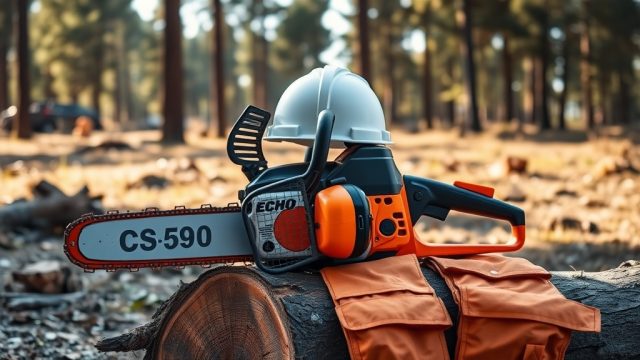
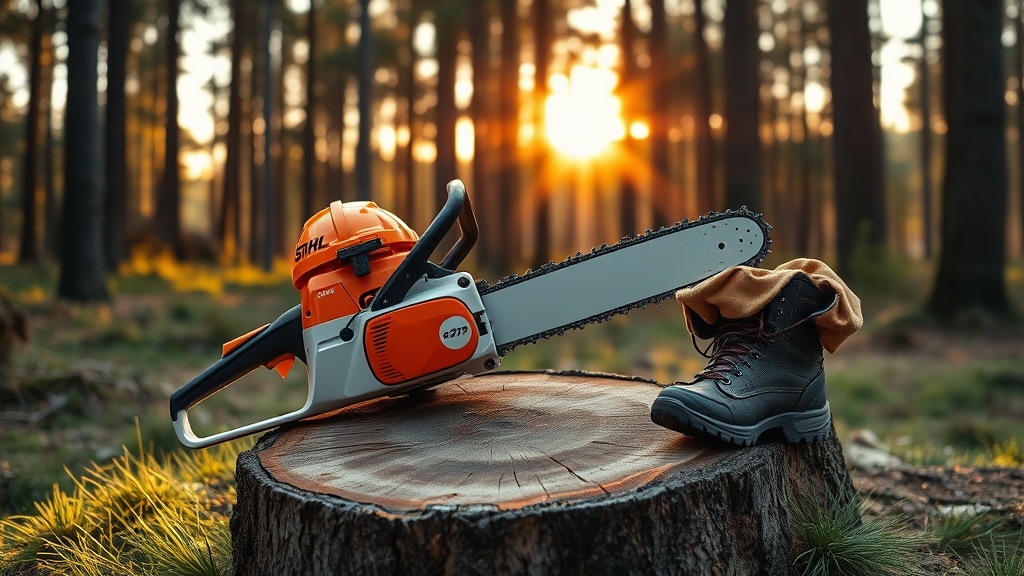
Stihl MS 251: Must-Have Safety Gear for Beginners
Operating a Stihl MS 251 for the first time is an exciting step into chainsaw work, but it also introduces real risks. Proper safety gear isn’t optional; it’s the difference between a productive day and a trip to the emergency room. This guide covers the essential personal protective equipment (PPE) every beginner needs before starting their Stihl MS 251.
Whether you are felling small trees in your backyard or learning to maintain trails, the right gear protects your head, eyes, hearing, hands, legs, and feet. We focus on specific, practical items that pair well with this 45.4 cc mid-range saw, balancing cost and effectiveness for the home user.
Why Is Chainsaw-Specific PPE Essential for the Stihl MS 251?
The Stihl MS 251 generates chain speeds up to 67 feet per second, which means a kickback event can happen in a fraction of a second. General work gloves or regular boots simply won’t provide the needed protection. Comparing the Stihl MS 251 vs Husqvarna 450: Cost of Ownership shows that investing in quality PPE upfront saves money on medical bills and tool downtime later.
OSHA and ANSI standards require specific protection levels for chainsaw operation. The saw’s 16- to 20-inch bar can throw wood chips, debris, and kickback with significant force. For beginners, the risk is higher because reaction time and muscle memory aren’t yet developed. Dedicated chainsaw chaps, a forestry helmet system, and cut-resistant gloves form the baseline for safe operation.
What Helmet System Protects Best for Stihl MS 251 Work?
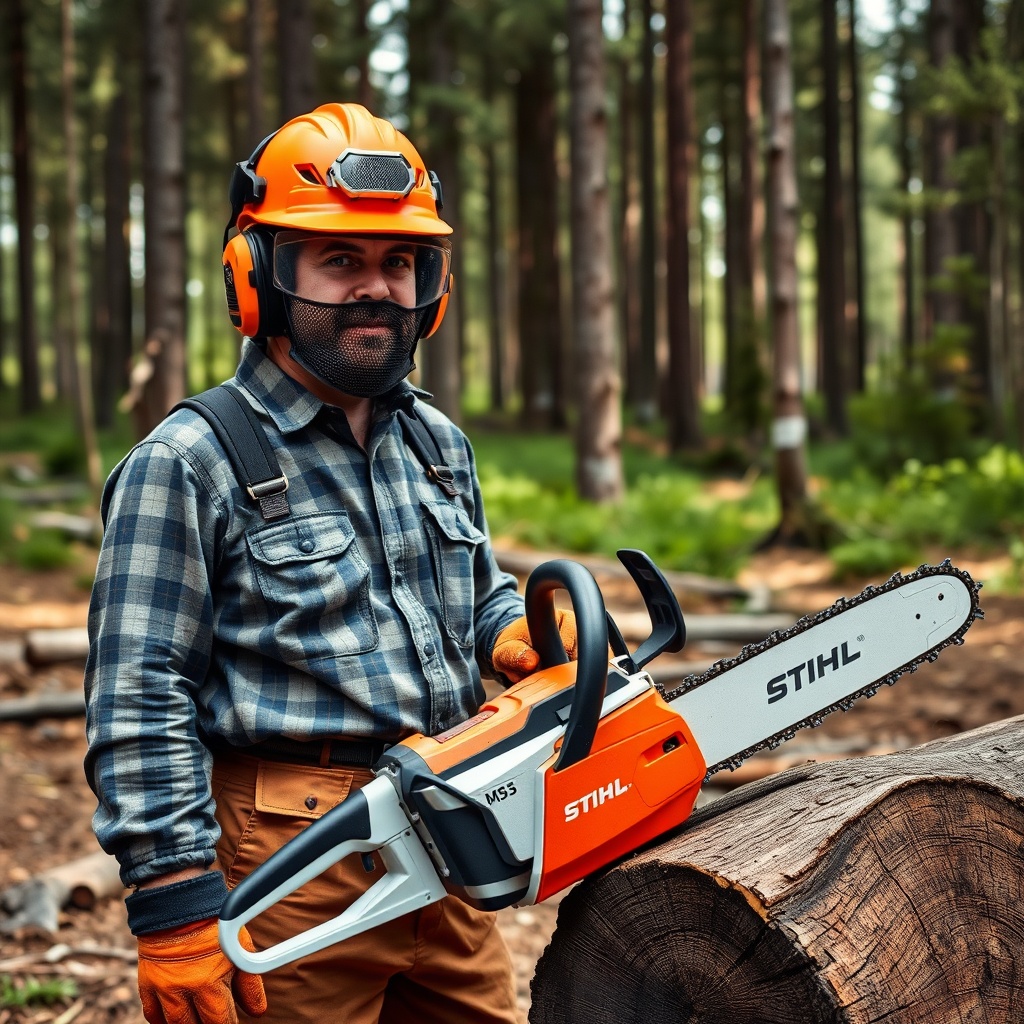
A forestry helmet system combines a hard hat, hearing protection, and a mesh visor into one balanced unit. For the Stihl MS 251, look for models meeting ANSI Z89.1 Type I, Class E for impact protection. The visor should meet ANSI Z87.1 for high-velocity impact from wood chips and small branches.
The Husqvarna Technical Helmet and the Stihl AdvanTec helmet are top options. Both offer integrated earmuffs with around 25 dB noise reduction rating (NRR). Since the MS 251 operates at 105 dB to 110 dB at ear level during cutting, this brings noise exposure to a safe range. The mesh visor must not fog up, and the ratchet adjustment should fit snugly without pressure points.
Never substitute a climbing helmet or a construction hard hat alone. A climbing helmet lacks the side impact protection needed for chain contact, and a construction hard hat doesn’t include a visor or earmuffs. The unit cost ranges from $100 to $200 for a quality system, which is less than the cost of treating a single eye injury.
Which Chainsaw Chaps Fit the Stihl MS 251’s Power?
Chainsaw chaps are the most critical leg protection for ground-level cutting. The Stihl MS 251 can cut through ordinary denim in under a second. Look for chaps tested to ASTM F1897-14 standards for leg protective devices. They must contain multiple layers of cut-resistant material like Kevlar or Dyneema fiber.
For the MS 251’s 45.4 cc power, choose chaps rated for a chain speed of at least 60 feet per second. Most quality brands list the speed rating on the label. Chaps should wrap completely around the front of each leg from the upper thigh down to the top of the boot. They must not have any gussets, zippers, or seams on the front where the chain could catch.
Clogger Zero chaps and Stihl’s own Protect chaps are popular among homeowners. Expect to pay $80 to $150 for a reliable pair. Try them on with the boots you intend to wear. The chaps should not drag on the ground or restrict squatting. Replace chaps immediately if they get soaked with oil or fuel because the fibers lose effectiveness.
| Protection Level | Suitable Use with Stihl MS 251 |
|---|---|
| Basic (Entry-level) | Light limbing, occasional firewood cutting, short sessions under two hours. Chaps rated under 60 f/s, single-layer helmet. Budget $60–$100. |
| Intermediate (Recommended) | Regular tree felling, stump grinding preparation, training with the saw. Multi-layer chaps rated 60+ f/s, full forestry helmet with 25 dB NRR. Budget $150–$250. |
| Advanced (Pro-level) | Daily commercial use, felling large hardwoods, steep terrain. High-cut-resistant chaps with wrap-around, full-face helmet with fiberglass shell, steel-toe boots. Budget $300+. |
What Boots and Gloves Work Best With the MS 251?
Chainsaw boots must have a high-topped design, oil-resistant soles, and a steel or composite toe cap meeting ASTM F2413 standards. For the MS 251, boots with chainsaw-rated material (like a ballistic nylon outer) provide extra cut protection on the tongue and instep. The heel should have a defined heel spur for stability on uneven ground, especially when felling a 30-foot oak with Stihl MS 251.
Good choices include the Stihl Pro Mark or the Husqvarna Chainsaw Boots, costing around $150 to $250. Avoid standard work boots unless they explicitly state “chainsaw cut protection” – leather alone won’t stop a chain. The sole must provide good traction on wet logs and sawdust. Lace the boots tightly and tuck your chaps straps inside the boot, not over the top, to prevent the chain from entering.
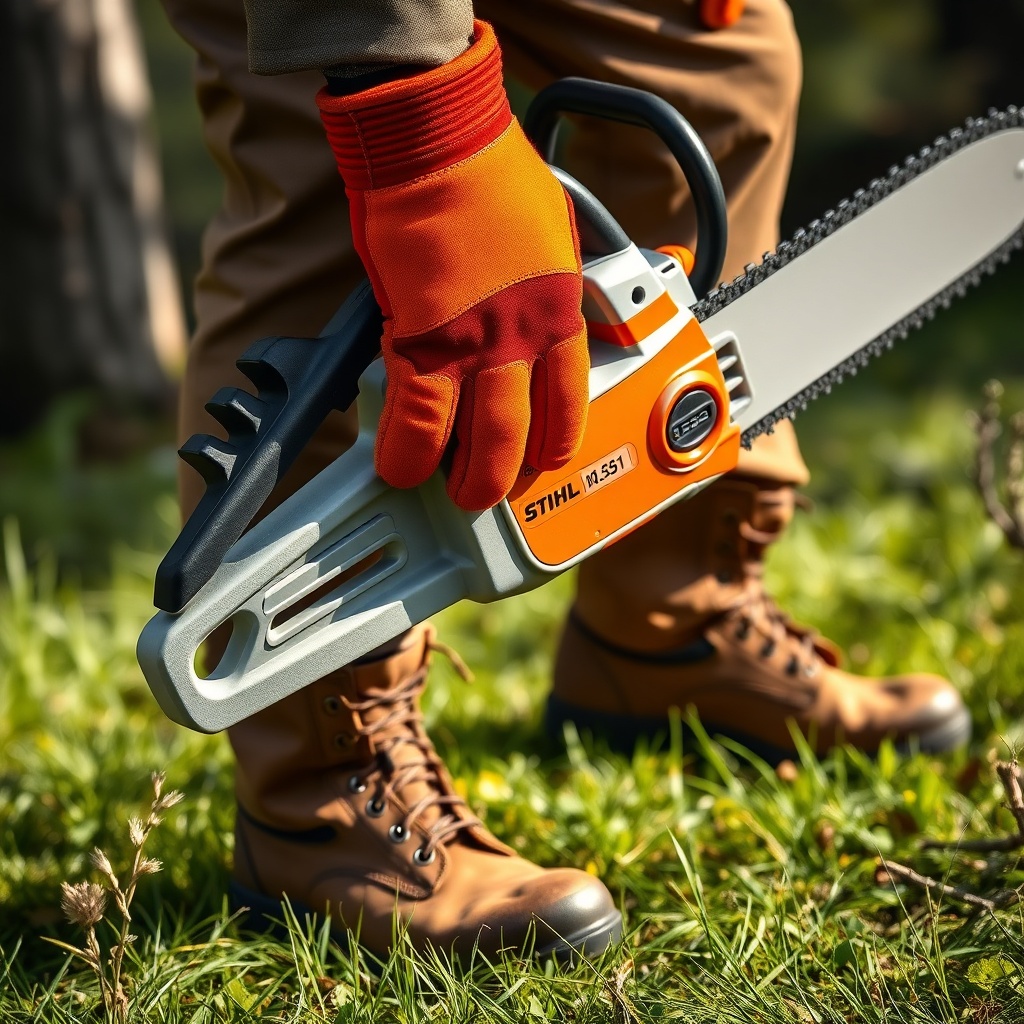
Cut-resistant gloves are less critical than chaps but still vital. Look for gloves meeting ANSI cut level 4 or 5 on the palm and fingers. The Stihl Pro Gloves offer a good grip and protection. They should fit snugly but allow full finger movement for throttle control. Gloves cost $25 to $50. Replace them when the palm material shows wear or if any stitching starts to come undone.
What Eye and Hearing Protection Is Sufficient?
The Stihl MS 251 emits high-frequency noise that can damage hearing permanently after just 15 minutes of continuous cutting. A mesh visor provides impact protection but does not seal around the ears for hearing. Always wear foam earplugs under the earmuffs for the best noise reduction (combined NRR up to 30 dB). Reusable plastic earplugs are more comfortable and cost about $10 to $20.
For eye protection, the visor must be scratch-resistant and anti-fog. If you wear prescription glasses, they must fit under the visor without touching it. Some operators prefer a separate pair of safety glasses under the visor for extra protection, but ensure the glasses are ANSI Z87.1 rated for high impact. Do not use ordinary sunglasses; they shatter easily.
Clean the visor regularly with water and mild soap. Do not use solvents that can cloud the polycarbonate. Replace the visor if it becomes pitted or deeply scratched. The earmuff cushions should be replaced every two years or sooner if they become hard or cracked. Budget around $30 to $60 for quality plugs and extra visor replacements.
When Should You Replace Safety Gear?
Safety gear loses effectiveness over time, and gear that protected you last year may fail today. For the Stihl MS 251, inspect all PPE before every use.
- Helmet shell: Replace every 5 years from date of manufacture, or immediately after any impact. UV light degrades the plastic over time.
- Chainsaw chaps: Replace if any cut appears in the outer layer. Never wash them with fabric softener; it ruins the cut-resistant fibers. Spot clean only. Replace after 2–3 years of regular use.
- Boots: Resole if needed; replace the boot entirely if the leather shows cracking or the steel toe is exposed. Never repair chainsaw-rated boots yourself.
- Gloves: Replace when the palm material shows holes or if the stitching comes loose. Oil from the saw can degrade the rubber grip over time.
- Earplugs: Replace foam plugs after 5 uses. Reusable plastic plugs: replace every 6 months.
- Visor: Replace when pitting or scratches obscure vision, at least annually.
Record the purchase date on the inside of your helmet with a permanent marker. This simple practice helps track when replacement is due. Do not second-guess age; manufacturers design with a limited lifespan.
What Owners Say About Safety Gear for the MS 251
Experienced users of the Stihl MS 251 consistently share two important observations. First, many beginners buy cheap chaps ($50 range) and report they are uncomfortable, bulky, and don’t stay in place. Owners recommend spending at least $100 on chaps that fit properly. Second, a common mistake is wearing only safety glasses instead of a full visor. The MS 251’s chain throws chips with enough force to bypass glasses and lodge under the earmuffs. A full forestry helmet with visor is universally praised as the best purchase for comfort and safety.
Another frequent comment: always carry spare earplugs. One user commented that he lost his earplugs in the dirt while repositioning a log, and the saw noise made the rest of the session painful. Having a backup set in your pocket prevents that. Owners also advise testing the chaps on a piece of firewood before depending on them – some cheap chaps simply don’t stop a fast chain, even if labeled as “cut resistant.”
For Stihl MS 251 stump grinding tips for small stumps, owners stress that the same safety gear used for cutting applies for grinding because dust and debris are even more aggressive. Seal your visor and wear a dust mask (N95 or better) in addition to your hearing protection.
Frequently Asked Questions
Do I really need a full forestry helmet, or can I use a hard hat and safety glasses?
A full forestry helmet is strongly recommended for the Stihl MS 251. The integrated hearing protection and mesh visor protect your face from wood chips and the saw’s chain if kickback occurs. Hard hats and safety glasses alone leave your ears and mid-face exposed.
Can I use regular work gloves with the Stihl MS 251?
No. Regular work gloves provide no cut resistance. Chainsaw-specific gloves have materials like Kevlar on the palm and fingers. If the chain catches your hand, regular gloves shred instantly.
How much should I expect to spend on complete PPE for the MS 251?
A budget-friendly yet safe setup costs roughly $200 to $300. This includes a pair of quality chaps ($80–$150), a forestry helmet ($100–$200), cut-resistant gloves ($25–$50), and steel-toe boots ($100–$250). Going cheaper often sacrifices protection.
How often should I replace my chainsaw chaps?
Replace chaps every two to three years with regular home use, or immediately if they sustain any cut. The fibers lose strength over time and after exposure to fuel, oil, and UV light.
Is a mesh visor enough eye protection for stump grinding?
For stump grinding, tiny rock and wood particles can still get through the mesh. Owners recommend adding a pair of safety glasses under the visor when grinding. For regular cutting, the mesh offers sufficient protection.
What is the best way to store my safety gear between uses?
Keep the helmet, chaps, and gloves in a cool, dry place away from direct sunlight. UV light degrades plastics and fabrics. A rubber tote or a ventilated toolbox works well. Never store chaps folded with sharp creases; hang them if possible.