Introduction to the Hass Remote Tree Climbing System in Icy Conditions
When winter temperatures plummet and ice coats every branch, the Hass Remote Tree Climbing System becomes an essential piece of safety-gear-equipment for arborists working in the UK. This remote-controlled ascending device allows operators to maintain distance from dangerously iced-over limbs while still performing precise cuts and limb management. Understanding how to adapt your Hass system for icy conditions can mean the difference between a routine job and a costly accident.
This guide covers winter-specific safety protocols, equipment checks, and operational techniques that every professional should know before deploying the Hass Remote Tree Climbing System in freezing weather. Whether you are removing a storm-damaged oak or clearing icy pines, these tips will help you stay safe and efficient throughout the season.
How Does Ice Affect the Hass Remote Tree Climbing System’s Performance?
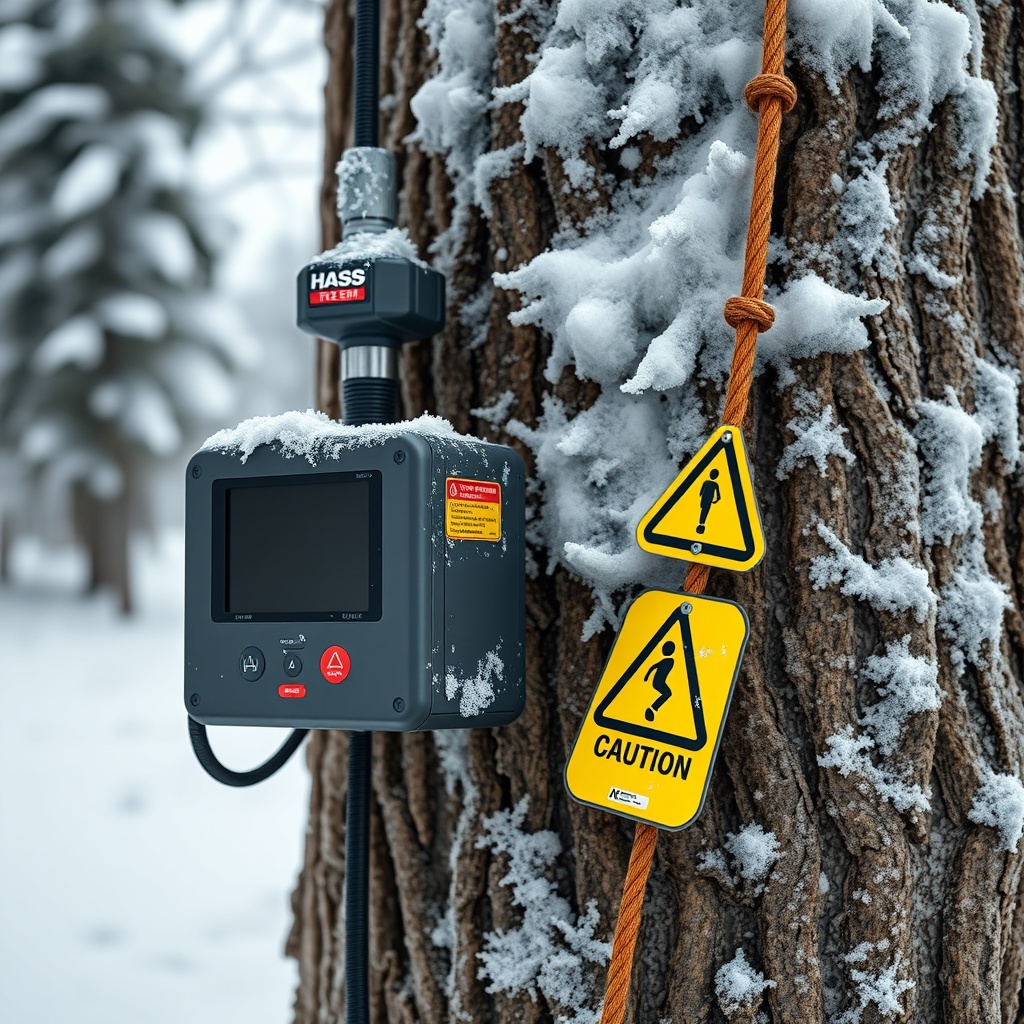
Ice accumulation on the climbing rope, remote unit, and mechanical components can drastically alter system behaviour. The remote-controlled winch mechanism relies on smooth friction between the rope and the drive wheel; when ice crystals form, they reduce grip and can cause slippage during ascent or descent. Battery performance also drops significantly in cold temperatures, with lithium-ion cells losing up to 20% of their rated capacity at -5°C.
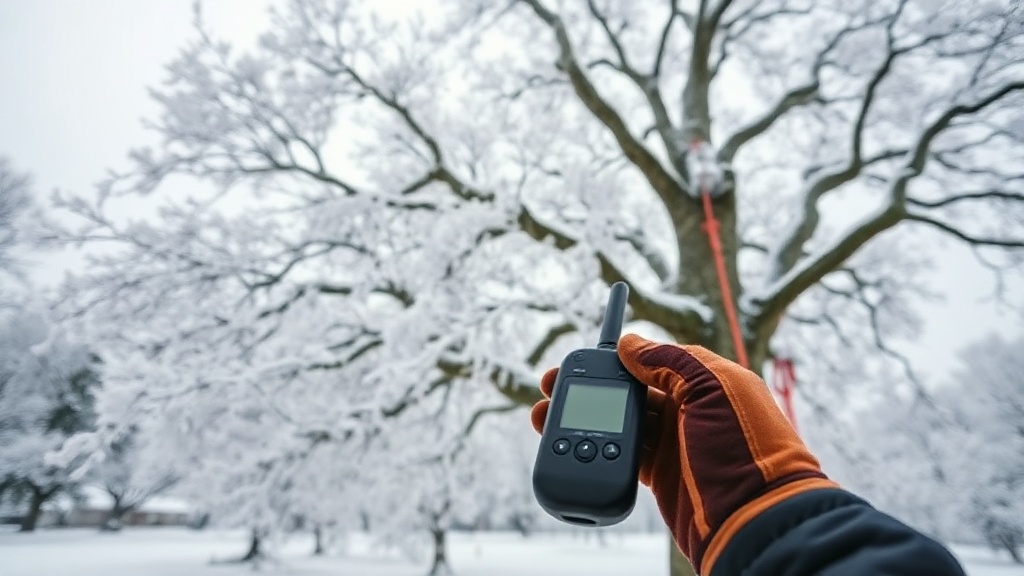
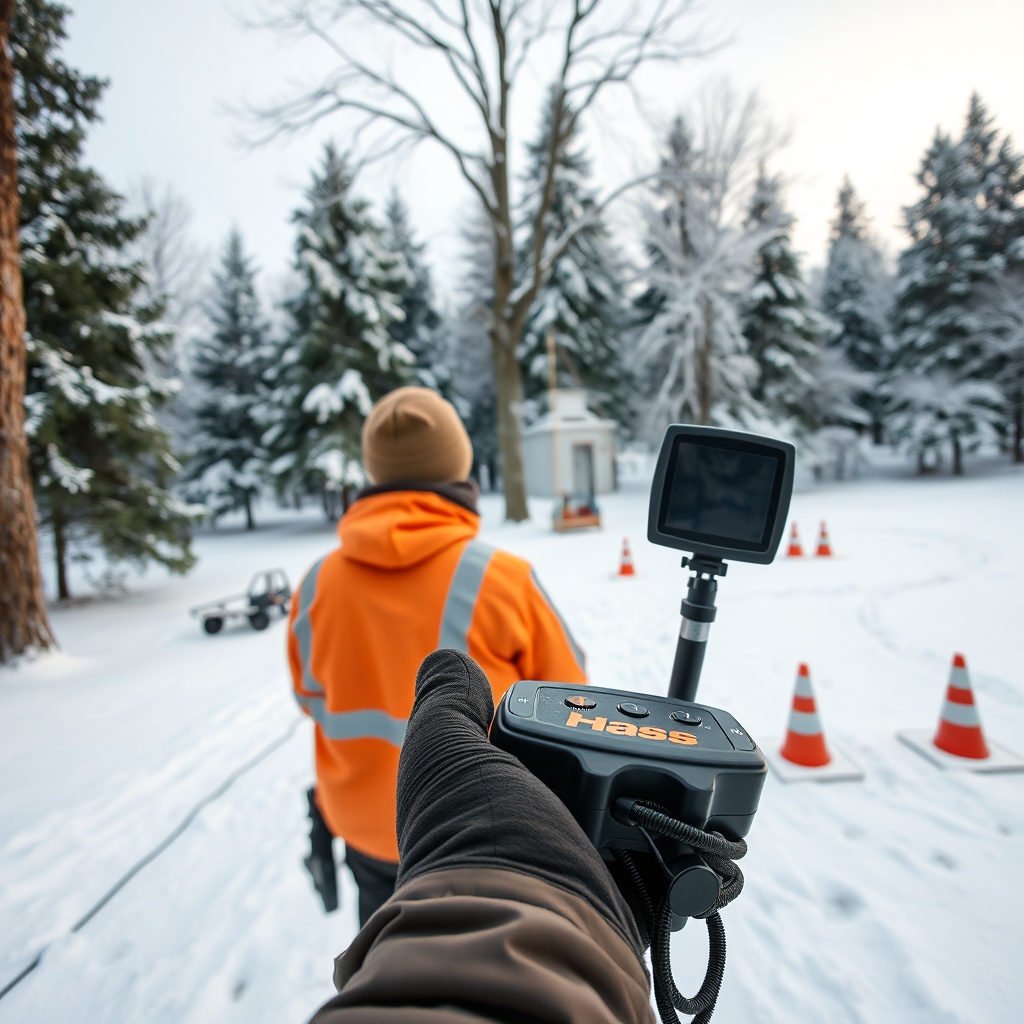
Additionally, frozen moisture in the remote control’s buttons or joystick can lead to delayed response times. Operators must perform a thorough pre-use inspection, checking for ice build-up on the rope’s braiding, the remote antenna, and the attachment points. Using a silicone-based spray (not oil) on moving parts helps prevent freezing, but only if the system is completely dry before application.
What Are the Essential Winter Preparations for the Hass System?
Before heading out on a winter job, every arborist should complete a cold-weather checklist specific to the Hass Remote Tree Climbing System. This includes verifying that all cables are free from cracks, the remote battery is fully charged and kept warm until use, and the climbing rope is treated with a de-icing agent recommended by the manufacturer. Pros often store the remote unit inside their jacket to keep it at operating temperature.
A critical step is to test the emergency descent mechanism while the system is still on the ground. In icy conditions, the manual override can stiffen, so confirm it moves freely. Also, ensure your Hass Remote Tree Climbing System: Advanced Felling Techniques for Professionals include a winter-specific protocol for incremental load testing.
- Inspect rope for ice splinters or frozen knots
- Apply anti-freeze rope treatment (approved for synthetic fibres)
- Warm remote batteries to 15°C before installation
- Lubricate mechanical pivots with dry PTFE spray
- Verify emergency stop function three times
How Should You Modify Your Climbing Technique for Icy Trees?
Working with the Hass Remote Tree Climbing System on ice-laden trees demands a more conservative approach. The system’s remote control allows you to ascend in short, controlled bursts rather than continuous motion, reducing the risk of sudden ice shedding that could break branches or destabilise the tree. Set the ascent speed to its lowest setting—typically 0.15 m/s on the Hass system—and pause every metre to listen for cracking ice.
When positioning the climbing head, avoid areas where ice has formed into large, heavy sheets. These can detach suddenly and strike the system’s rope or the operator below. Instead, aim for limb attachment points that have minimal ice accumulation. For species-specific advice, refer to Hass Remote Tree Climbing System for Oak Tree Removal: Specialized Techniques.
Always maintain a safe distance (at least 10 metres) from the tree’s drip line when operating the remote. Icy conditions increase the reach of falling ice shards. Use the remote’s zoom function on the built-in camera (if equipped) to assess upper canopy conditions without exposing yourself to falling hazards.
What Are the Best Safety Practices for Winter Limb Management?
Managing limbs in icy conditions requires careful planning because frozen wood is more brittle and unpredictable. The Hass Remote Tree Climbing System’s ability to make controlled cuts from a distance is invaluable here, but operators must adjust their cutting sequence. Always remove ice-laden limbs in smaller sections than you would in dry weather, using the system’s limb-lock attachment to hold the severed piece before lowering.
For tall pines, the risk of ice-induced limb failure is highest. The Hass Remote Tree Climbing System: Efficient Limb Management for Tall Pines details how to use the remote-controlled gripper to stabilise each branch before cutting. In freezing rain, consider postponing work until temperatures rise above -2°C, as the adhesion of ice to bark significantly increases hazard.
| Condition | Temperature Range | Ice Accumulation | Recommended Action | Risk Level |
|---|---|---|---|---|
| Light frost | 0°C to -3°C | < 5 mm | Normal operations with de-icing prep | Low |
| Moderate ice | -4°C to -8°C | 5–15 mm | Reduce ascent speed by 50%; use heated remote | Medium |
| Heavy freezing rain | Below -8°C | > 15 mm | Stop all operations; wait for improved weather | Critical |
| Black ice on rope | Any, with moisture | Transparent layer | Immediate system check; rope replacement likely | Emergency |
What Do Professional Arborists Say About the Hass System in Winter?
Experienced operators across the UK have shared their practical insights about using the Hass Remote Tree Climbing System during icy months. “I’ve been using the Hass for three winters now,” says James Whitfield, a certified arborist from Cumbria. “The key is keeping the remote battery warm. I use a hand warmer pack against the battery housing, and it makes a world of difference in control responsiveness.”
Another common theme is rope management. “When the rope ices up, the system loses precision. I always carry a spare rope pre-treated with anti-freeze, and I swap it out if I see any shimmer on the fibres.” Notes Sarah Kline, owner of a tree care company in Scotland. “The Hass system’s remote operation is a lifesaver in icy conditions because I don’t have to be near the tree when big shelves of ice fall off.”
Many professionals also recommend pairing the Hass system with a heated storage case for the remote and battery. This investment, typically costing around £120, prevents condensation and freezing during transport. For cost considerations, review the Hass Remote Tree Climbing System: Cost of Ownership for Professionals.
Frequently Asked Questions
Q: Can the Hass Remote Tree Climbing System be used in heavy snowfall?
A: Yes, but only if the snow is dry and powdery. Wet, heavy snow can clog the remote’s cooling vents and cause overheating. Keep the remote unit under a weatherproof cover while operating, and clear snow from the rope guide every 15 minutes. Avoid use in blizzard conditions where visibility drops below 10 metres.
Q: How do I store the Hass system after a winter job?
A: Dry all components thoroughly inside a heated workshop. Remove the battery and store it at 15–20°C with a 50–60% charge. Coil the rope loosely in a ventilated bag, never tightly wound, as ice crystals can damage fibres during thawing. Inspect the remote’s rubber seals for cracking from temperature stress.
Q: Is the warranty affected by winter use?
A: Standard warranties cover normal winter conditions, but damage caused by ice impact or freezing of internal components may not be included. Check your specific warranty terms, as Hass Systems Ltd. offers an optional winter-use extension for £89 per year. Always document pre-use inspections with photos.
Q: What is the minimum temperature for safe operation?
A: Hass recommends operating only down to -10°C, but professional arborists often stop at -5°C due to increased brittleness of both the tree and the system’s plastic housing. At -8°C and below, battery life drops precipitously, and remote response becomes sluggish. Use the Hass Remote Tree Climbing System: Emergency Oak Removal After Storm as a reference for borderline cold scenarios.
Q: Does ice affect the remote’s wireless range?
A: Yes, ice and snow can attenuate the radio signal, especially at higher frequencies used by the Hass system. Range can drop from 100 metres in clear conditions to 60 metres in icy sleet. Maintain line of sight whenever possible, and use the system’s signal strength indicator to confirm connectivity before each climb.
Q: What emergency gear should be carried alongside the Hass system in winter?
A: Carry an insulated backup remote battery, a de-icer spray (non-corrosive), a rope scraper for removing ice build-up, and a thermal blanket to wrap the system if it must be left under the tree. Also bring a hand-cranked flashlight, as cold drains batteries fast. For evergreen-specific work, refer to Hass Remote Tree Climbing System: Species-Specific Removal for Evergreens.