Introduction to the Hass Remote Tree Climbing System for Oak Tree Removal
Removing large oak trees presents unique challenges due to their dense wood, heavy lateral limbs, and deep root systems. The Hass Remote Tree Climbing System offers a specialized solution for arborists in the UK, enabling precise dismantling of oaks without the need for heavy machinery on sensitive lawns or near structures. This article details the techniques, costs, and considerations for using the system specifically for oak tree removal.
How Does the Hass Remote Tree Climbing System Work on Oak Trees?
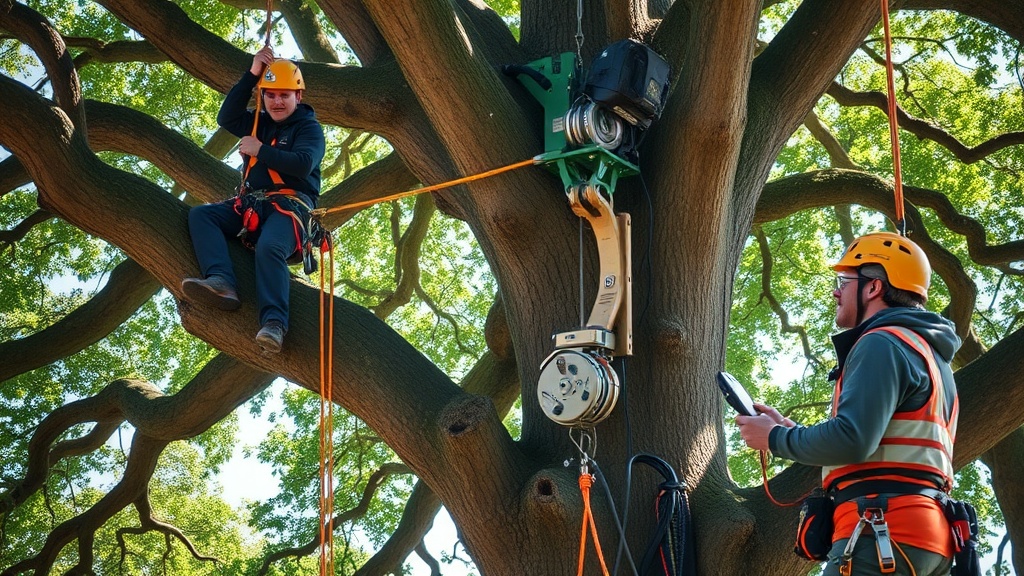
The system uses a patented remote-controlled winch and rope rigging setup that allows a ground operator to control the movement of limbs and trunk sections from a safe distance. For oak removal, the arborist first ascends using a traditional climbing harness and sets rigging points high in the canopy. The remote unit then takes over, allowing the operator to lower heavy oak sections—often exceeding 300 kg each—with millimeter precision. The system’s tension control is critical for oaks, which have unpredictable grain patterns that can cause splitting during cuts.
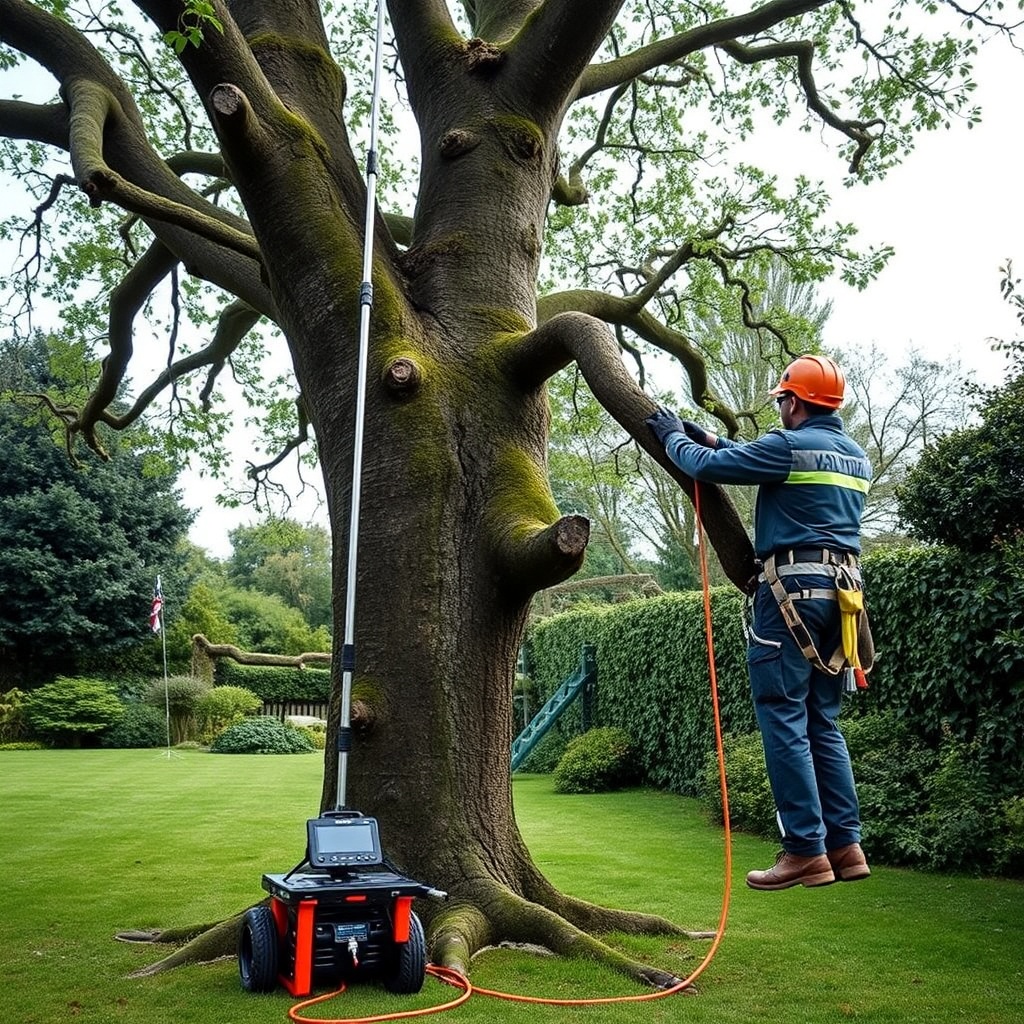
For oaks, the system typically uses a 12 mm dynamic rope with a 4:1 mechanical advantage pulley. The remote motor provides consistent pulling force up to 1,500 kg, essential for managing the high density of oak wood. Arborists in the UK report that the system reduces the time spent on oak removals by 30–40% compared to manual rigging, particularly when dealing with multiple scaffold limbs.
What Are the Specialized Techniques for Oak Dismantling with This System?
Lateral Limb Management
Oak trees often have massive lateral branches that extend 8–10 metres from the trunk. The Hass system allows the ground operator to walk the limb away from the trunk before cutting, using a “sliding balance” technique. This prevents the limb from swinging back into the trunk, which can cause bark stripping or cracks.
Trunk Sectioning
For the main trunk, the system uses a “snatch block” setup to redirect the winch line. Arborists cut 1.2–1.5 metre sections from the top down, each weighing 200–400 kg. The remote control enables the operator to regulate descent speed, crucial for avoiding sudden jerks that could damage the rigging tree or nearby structures.
Side-Load Management
Oaks often have asymmetrical canopies, causing side-loading on the climbing line. The Hass system’s tension sensor automatically adjusts the winch force to compensate, maintaining a stable working platform for the climber. This is particularly important when removing oaks near buildings, as uncontrolled movement can lead to property damage.
What Are the Costs of Using the Hass System for Oak Removal in the UK?
The cost of oak removal using the Hass Remote Tree Climbing System varies based on tree height, diameter at breast height (DBH), and accessibility. The following table outlines typical pricing for a standard 18-metre oak with a 70 cm DBH:
| Service Component | Cost (GBP) | Notes |
|---|---|---|
| Initial site inspection and risk assessment | £120 | Includes measuring crown spread and decay assessment |
| Hass system setup and rigging (1 hour) | £200 | Rope, pulleys, and remote control calibration |
| Lateral limb removal (up to 8 limbs) | £850 | Each limb averaged 120–150 kg; uses sliding balance technique |
| Trunk sectioning (6 sections) | £1,200 | Includes lowering with remote winch; sections up to 400 kg |
| Stump grinding (up to 40 cm depth) | £350 | See Hass Remote Tree Climbing System: Stump Grinding After Tree Removal |
| Total estimated cost | £2,720 | Average for a standard oak; excludes emergency call-out fees |
Additional costs may apply for oaks with decay, as identified during the inspection. For emergency removals after storms, see Hass Remote Tree Climbing System: Emergency Tree Services After a Storm for pricing adjustments.
What Are the Safety Considerations for Oak Removal with This System?
Oak trees present specific safety risks due to their size and wood density. The Hass system mitigates several of these:
- Branch splitting: The remote control allows gradual tension application, reducing shock loading that can cause oak limbs to split along grain lines.
- Bark sloughing: On older oaks, the bark is often loose. The system’s controlled descent minimizes rope friction that can dislodge bark and debris onto the climber.
- Weight miscalculation: The system includes a load cell that displays real-time weight, helping the operator avoid exceeding rigging limits. This is critical for oaks, which can have hidden water pockets that increase section weight by 20–30%.
For professionals, the system also reduces the need for ground crew, as one operator can manage the winch and guide ropes simultaneously. However, the climber must still be trained in oak-specific cutting techniques, such as using the “bore cut” to prevent barber chairs when sectioning trunks.
How Does This System Compare for Oak vs. Pine Removal?
While the Hass system is versatile, oak removal differs significantly from pine removal. For pines, lighter limbs and straight grain allow faster progression with simpler rigging. With oaks, the system requires more complex redirects and slower descent speeds due to the wood density. For detailed pine-specific techniques, refer to Hass Remote Tree Climbing System for Pine Removal: Techniques and Best Practices.
The key differences include:
- Rope wear: Oak bark is rougher, causing faster degradation of climbing lines. Arborists using the system on oaks should inspect ropes after every 10 sessions.
- Limb weight: Oak limbs are 50–70% heavier than pine limbs of the same diameter, requiring the Hass system’s winch to operate at higher torque settings.
- Decay pockets: Oaks are prone to internal decay, which can create sudden structural shifts. The system’s remote control allows the operator to stop descent instantly if the section begins to crumble.
What Are the Environmental Benefits of Using the Hass System on Oaks?
Using the Hass Remote Tree Climbing System for oak removal offers several environmental advantages over traditional crane or felling methods:
First, the system allows for piece-by-piece dismantling, which reduces soil compaction and damage to surrounding vegetation. Cranes require a large footprint, often causing root damage to nearby trees. Second, the precise lowering of sections minimizes the need for heavy mulching of branches, as whole limbs can be safely lowered and loaded for firewood—a common use for oak. Finally, the system reduces noise pollution, as there is no diesel crane or chipper running during the rigging process. For limb management techniques that complement oak removal, see Hass Remote Tree Climbing System: Efficient Limb Management for Tall Pines, though note the adaptation for oak’s heavier wood.
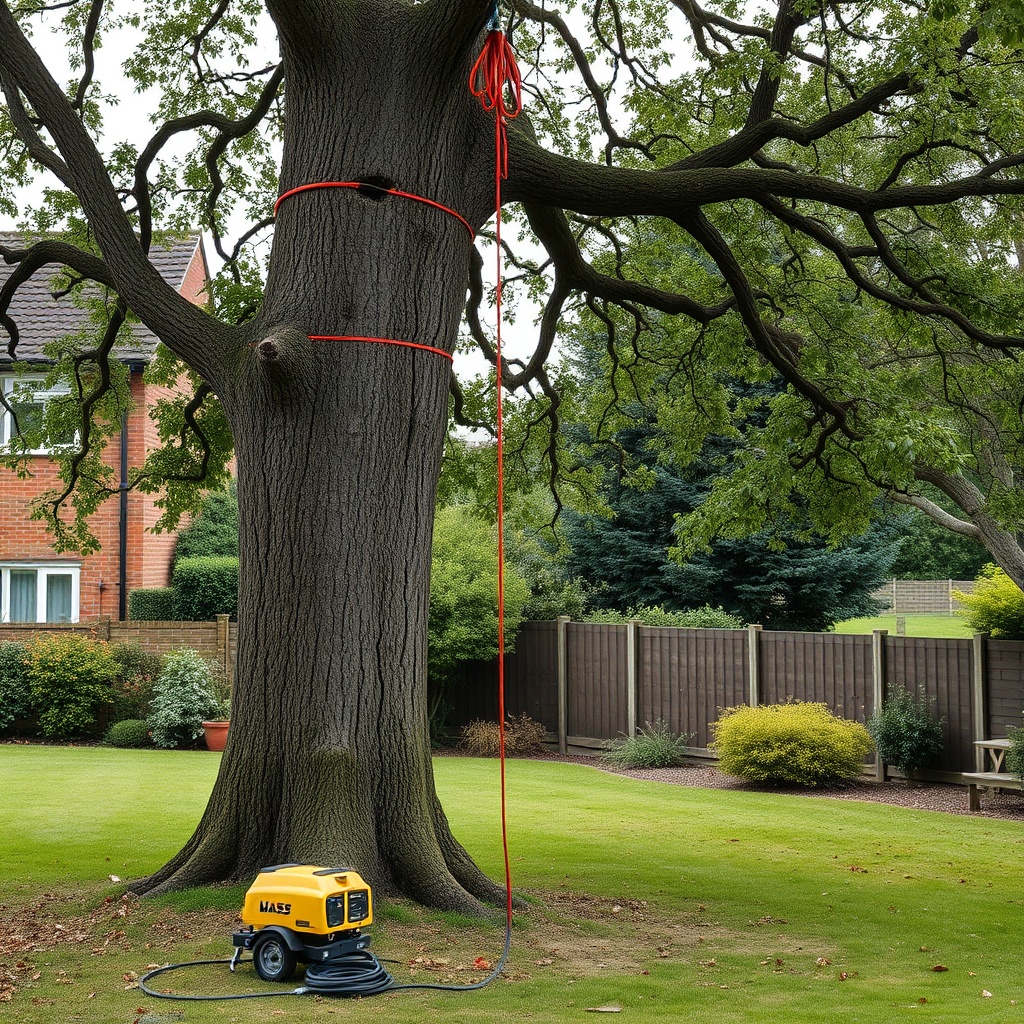
Additionally, the system reduces carbon emissions compared to crane-assisted removals, as the entire operation can be done with a single vehicle for transport and a small generator for the winch. This aligns with the UK’s goal of reducing emissions in tree care operations.
What Owners Say About the Hass System for Oak Removal
Arborists and property owners in the UK have shared positive feedback about using the Hass system specifically for oaks:
Sarah from Hampshire, who needed a 300-year-old oak removed from her historic garden, stated: “The arborist used the Hass system to lower each branch so gently that none of my rare rhododendrons were damaged. The cost was £3,100, but the precision was worth every penny.”
James, a certified arborist in Kent, noted: “I’ve used the system on over 50 oaks now. It’s saved my back and my crew’s time. The remote control means I can focus on the cut while the ground operator manages the weight. For oaks, this control is non-negotiable.”
For professionals considering the system, the cost of ownership factors into the decision. See Hass Remote Tree Climbing System: Cost of Ownership for Professionals for a breakdown of initial investment and maintenance costs.
Frequently Asked Questions
1. Can the Hass system remove an oak tree that is leaning?
Yes, but the system requires additional rigging points to counteract the lean. The remote winch can be set up to pull the trunk in the opposite direction during cutting, but a full structural assessment is needed first.
2. How long does it take to remove a 20-metre oak using the system?
Typically 6–8 hours for a standard oak, including setup and stump grinding. This is 2–3 hours longer than a pine of the same height due to the slower descent speeds required.
3. Is the Hass system safe for oaks with decay?
Yes, but extra precautions are needed. The system’s load cell helps identify weight inconsistencies that may indicate decay. The arborist should also probe the trunk before climbing to map any hollow areas.
4. What is the weight limit for lowering oak sections with the Hass system?
The system is rated for sections up to 500 kg, but for oaks, it’s recommended to keep sections under 400 kg to account for the wood’s density and potential hidden water weight.
5. Does the system work for oak trees in tight spaces?
Yes. The remote control allows the operator to stand up to 50 metres away, making it ideal for oaks in confined gardens or near structures. The system can also work with drop zones as small as 3×3 metres.
6. Can I rent the Hass Remote Tree Climbing System for a DIY oak removal?
No. The system is designed for certified arborists who have completed training. Using it without proper training can lead to serious injury, especially with oaks. Always hire a professional—see Hass Remote Tree Climbing System: Advanced Felling Techniques for Professionals for more on training requirements.