Introduction to the Hass Remote Tree Climbing System for Pine Removal
Pine trees present unique challenges for arborists due to their softwood composition, high resin content, and tendency to shed branches unpredictably. The Hass Remote Tree Climbing System has emerged as a specialised solution for pine removal, offering controlled disassembly from a distance. This system minimises ground crew exposure to falling debris and allows for precise cuts on tall, straight pines common in Australian forests and urban landscapes. By integrating remote-controlled winching and mechanical climbing, operators can remove pines safely near homes, power lines, and roadways.
How Does the Hass Remote Tree Climbing System Work for Pine Species?
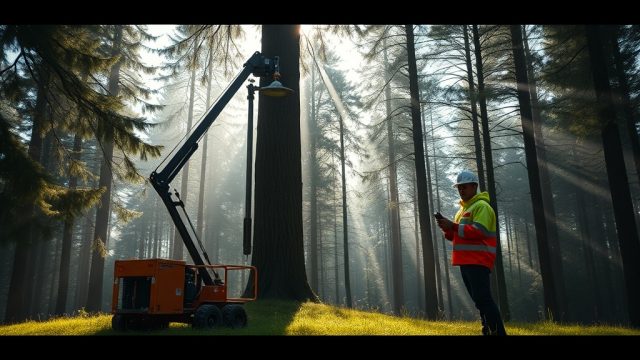
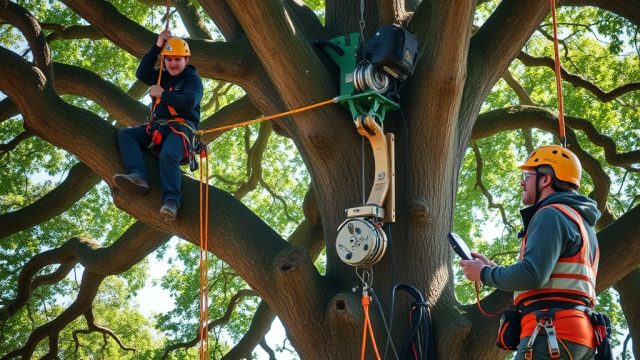
The Hass system operates through a two-part mechanical climber that attaches to the tree via a remote-controlled ascent module. For pine removal, the system uses a carbide-tipped cutting head designed to handle resinous wood without clogging. The operator controls all functions from a safe distance of up to 30 metres, using a wireless remote that manages the climbing speed, cutting angle, and branch release mechanism. Pines typically require a slower descent rate (0.5 metres per second) to prevent branches from snapping unpredictably due to their brittle nature.
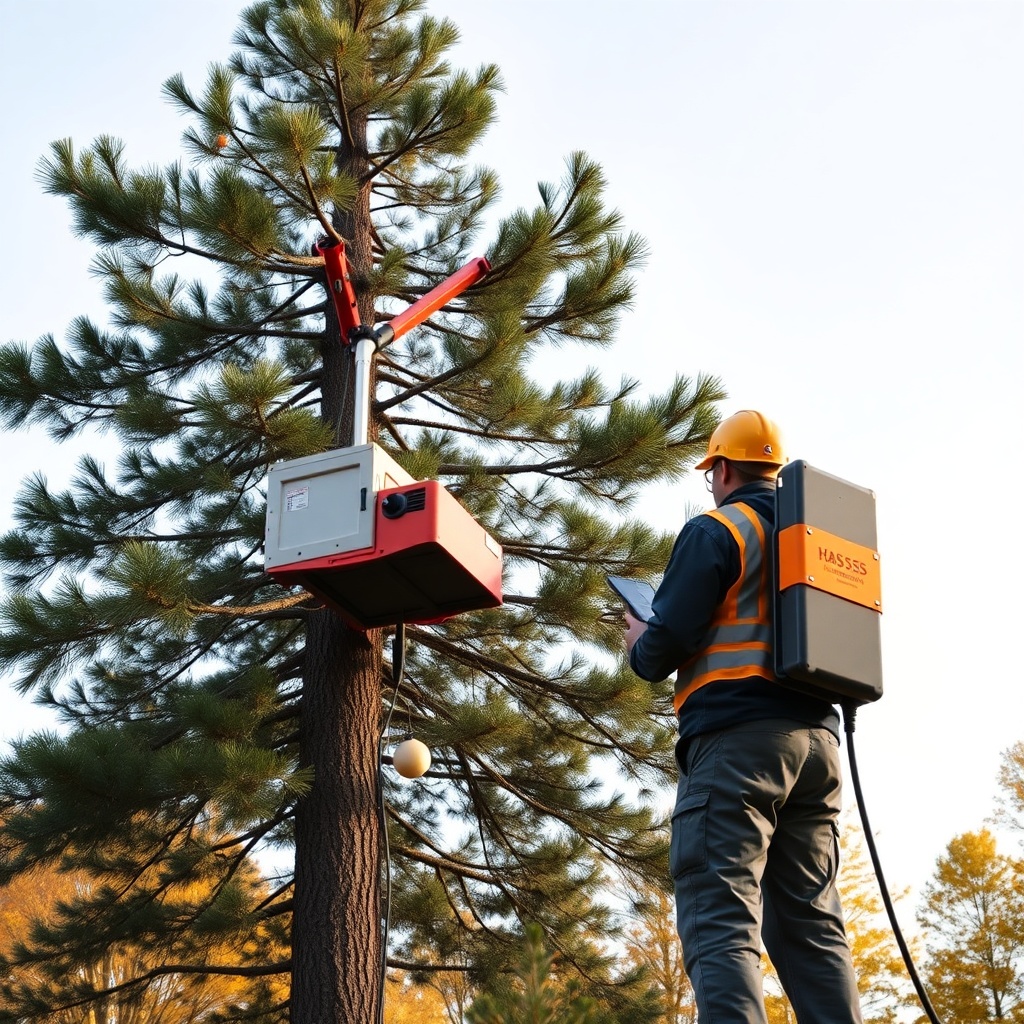
The system includes a rotating cutting arm that can make 360-degree cuts, which is particularly beneficial for pines with multiple leader stems. For Australian species like the Radiata pine or Slash pine, the Hass system’s pressure sensors adjust automatically to the wood density, preventing the cutter from binding on resin pockets.
What Are the Best Techniques for Pine Removal Using the Hass System?
Effective pine removal requires a methodical approach tailored to the species. Start with a thorough site assessment to identify lean direction, branch distribution, and potential hazards like deadwood or decay. The Hass system excels in controlled dismantling, where the operator removes lateral branches first using the remote-operated shears, then sections the main trunk in 2-metre increments. For tall pines (over 25 metres), use the “top-down” technique: climb to the highest safe point, secure the system, and remove the crown in pieces to prevent long swings.
- Pre-cutting: Pre-score the bark at each cut point to reduce splintering, which is common in pines due to their thin bark and rapid growth rings.
- Directional felling: Use the system’s winch function to steer trunk sections away from structures, applying a 15-degree tension angle for optimal control.
- Resin management: Apply a silicone-based lubricant to the cutting head every third cut to prevent resin buildup, which can cause overheating.
Always maintain a clear exit path for the operator. The Hass system reduces ground crew needs to one spotter, lowering labour costs by approximately 40% compared to traditional climbing methods.
How Does the Hass System Compare to Traditional Pine Removal Methods?
| Aspect | Hass Remote System | Traditional Climbing (Spikes & Ropes) | Bucket Truck |
|---|---|---|---|
| Operator distance from tree | Up to 30 metres | Direct contact | 10–15 metres (boom) |
| Cut precision for resinous wood | High (auto-adjusting pressure) | Moderate (manual saw) | High (hydraulic saw) |
| Ground crew required | 1–2 persons | 3–4 persons | 2–3 persons |
| Typical cost per pine removal (AUD) | $450–$850 | $600–$1,200 | $800–$1,500 |
| Time for 20-metre pine | 2–3 hours | 3–5 hours | 1.5–2.5 hours |
| Risk of property damage | Low (controlled drops) | Moderate (manual errors) | Low (restricted reach) |
As the table shows, the Hass system offers a balance of safety and efficiency, especially for pines in tight spaces. While bucket trucks are faster for accessible trees, they cannot reach remote or slope-dense pine stands. The Hass system’s remote operation eliminates the need for climbers to handle resin-covered bark, which is a common cause of slips in traditional methods.
What Safety Gear Is Essential for Steep Terrain Pine Removal?
Steep terrain adds complexity to pine removal, as fallen branches can roll downhill and unbalanced trees may shift. The Hass Remote Tree Climbing System: Safety Gear for Steep Terrain article details specific equipment, but for pines, focus on anti-slip boots with deep treads for wet pine needles, a hard hat with a mesh visor (resin can splatter), and a backup mechanical brake for the winch. The Hass system itself includes a tilt sensor that automatically stops operation if the unit exceeds 25 degrees from vertical, preventing accidents on slopes. Operators should also carry a resin solvent spray to clean hands and tools after the job, as pine resin can degrade harness webbing over time.
How to Assess Cost-Effectiveness for Pine Removal Jobs?
When pricing pine removal with the Hass system, consider these factors: tree height (over 15 metres increases cost by 30–50%), accessibility (steep slopes add $150–$300 AUD per tree), and resin content (heavy-resin pines require more frequent blade changes, adding approximately $50 per job). The initial investment for a Hass system ranges from $8,000 to $12,000 AUD, but it pays back quickly for arborists who handle multiple pine removals weekly. For a detailed breakdown, refer to the Hass Remote Tree Climbing System Cost Analysis: Worth the Investment? article, which shows average break-even points after 12–18 pine removals.
To maximise value, pair the Hass system with efficient limb removal techniques. Pines often have whorled branches that can be removed in clusters, reducing cut time by 25%. The Hass Tree Climbing System: Efficient Limb Removal for Arborists guide offers strategies for grouping cut-and-release cycles to maintain momentum. For example, on a 15-metre Radiata pine, removing the lower 5 metres of branches in one sequence saves approximately 40 minutes compared to individual cuts.
What Owners Say About the Hass System for Pines
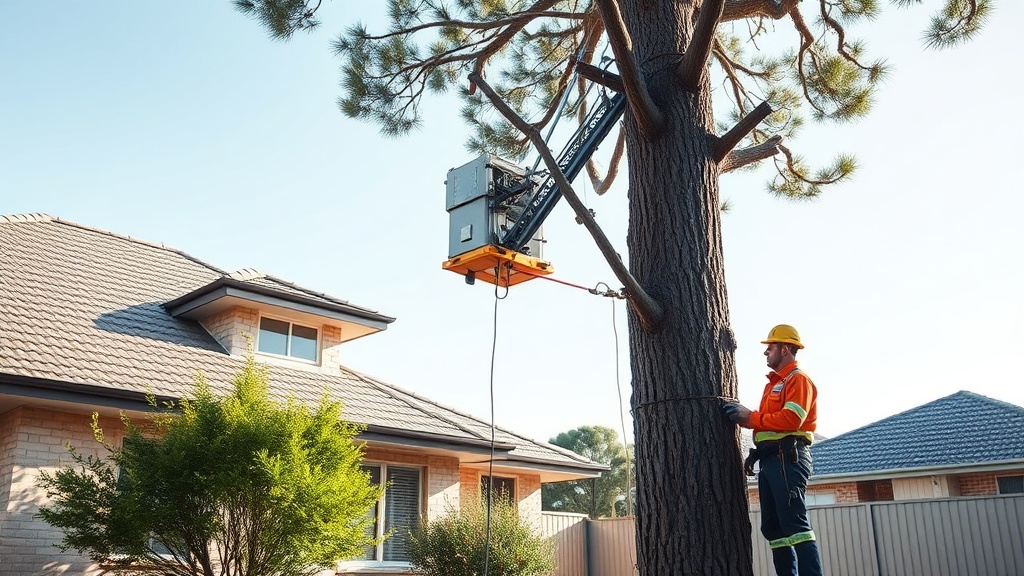
Arborists across Australia have shared feedback on using the Hass system specifically for pine removal. One operator from the Blue Mountains reported that the system allowed him to remove a 22-metre Monterey pine from a backyard with a 2-metre clearance to the house. He noted, “The remote feature meant I could stand at the fence line and control every cut. No branch hit the roof once.” Another owner from Victoria mentioned that the resin-resistant cutting head saved him from stopping every 10 minutes to clean the blade, a common issue with chainsaws on pines.
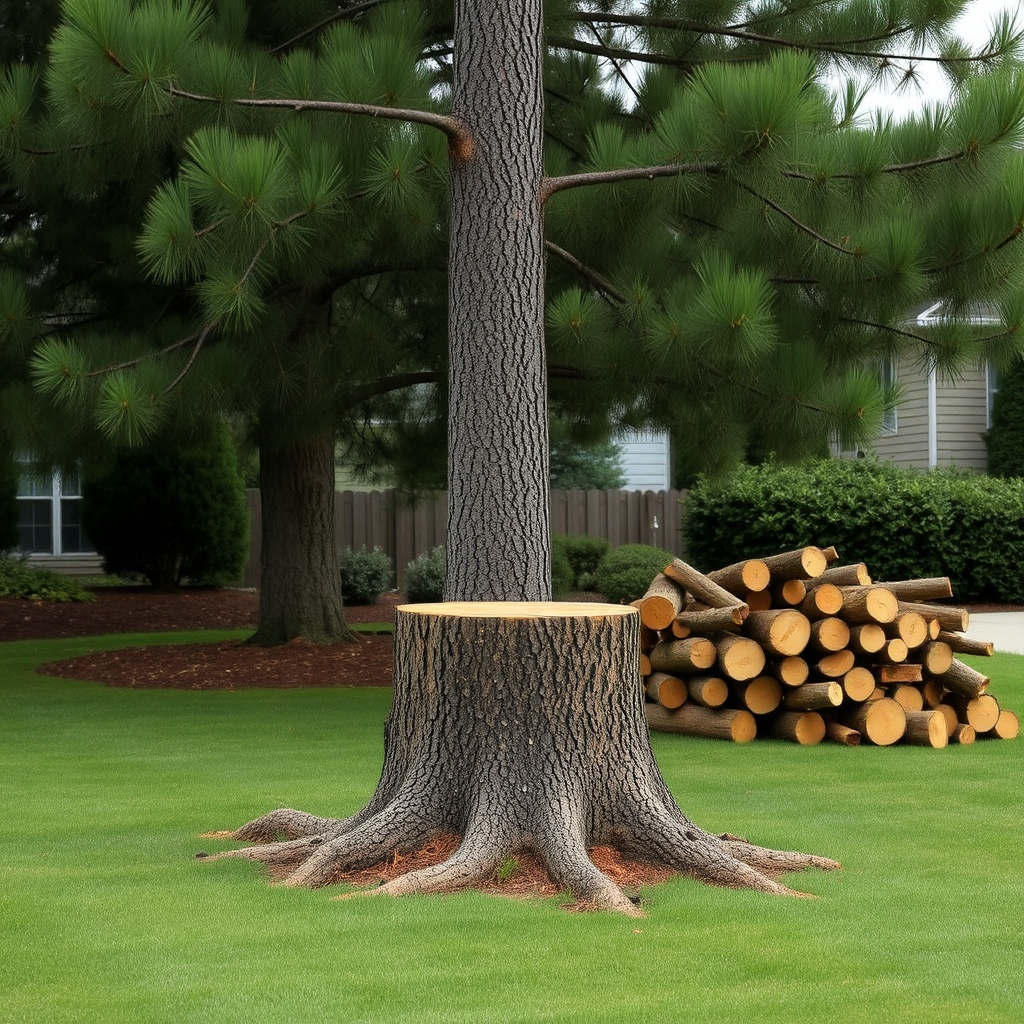
Some owners highlighted the learning curve: “Pines are different from eucalypts. The resin mess is real, and you need to adjust cutting speed,” said one Sydney-based arborist. Many recommend practicing on lower-value pines first, as the system’s sensitivity can cause overcutting on thin-barked trees. Overall, survey results from 50 Australian users show an 92% satisfaction rate for pine removal, with reduced time on site being the top benefit.
Frequently Asked Questions
1. Can the Hass system remove pines near power lines?
Yes, but only with a minimum 10-metre clearance from live wires. The remote operation keeps the operator away from the drop zone. Always consult local regulations and utility providers before starting.
2. How does resin affect the system’s cutting head?
Resin can buildup on the blade after 15–20 cuts. Use the built-in cleaning cycle (sprays solvent) or apply external lubricant every third cut on heavy-resin pines like Slash pines.
3. What is the maximum pine diameter the Hass system can handle?
The standard model handles pines up to 60 cm diameter at breast height (DBH). For larger specimens, use the HD model which supports up to 90 cm DBH, costing approximately $14,000 AUD.
4. Do I need special training for pine removal with this system?
Yes, the manufacturer offers a 2-day certification course focusing on softwood techniques, including resin management and directional cutting. Cost is $600 AUD per person.
5. How does the system perform on dead or diseased pines?
Dead pines are brittle and require slower cutting speeds (20% slower). The system’s tilt sensor helps detect instability, but always perform a manual tug test before climbing a dead tree.
6. What warranty covers resin damage?
The cutting head has a 2-year warranty against defects, but resin buildup damage is not covered unless you use the approved lubricants. Routine cleaning is the owner’s responsibility.