Hass Remote Tree Climbing System Cost Analysis: Worth the Investment?
The Hass Remote Tree Climbing System has emerged as a game-changing tool for arborists and tree care professionals, promising enhanced safety and efficiency in limb removal. However, with a price tag that can exceed £12,000 for a full setup, many tree surgeons and contractors in the UK are asking if the investment is truly justified. This guide breaks down the costs, ROI, and real-world feedback to help you decide.
What Is the Hass Remote Tree Climbing System and How Does It Work?
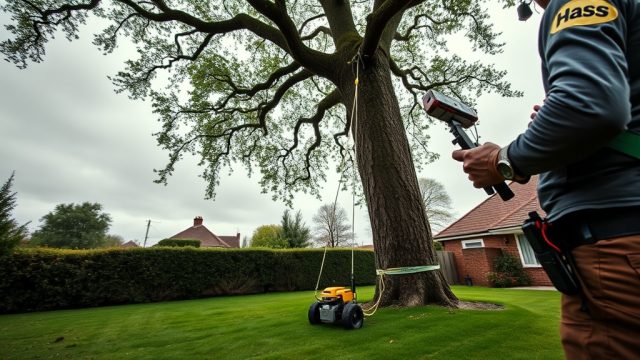
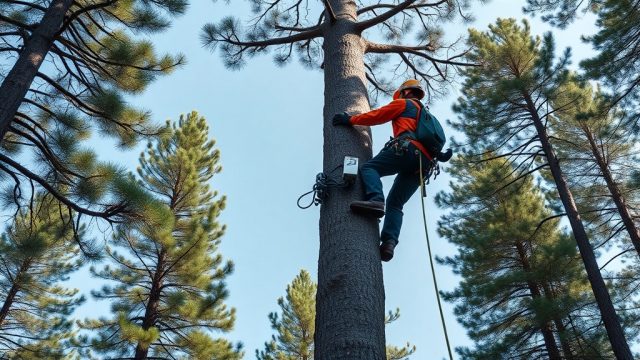
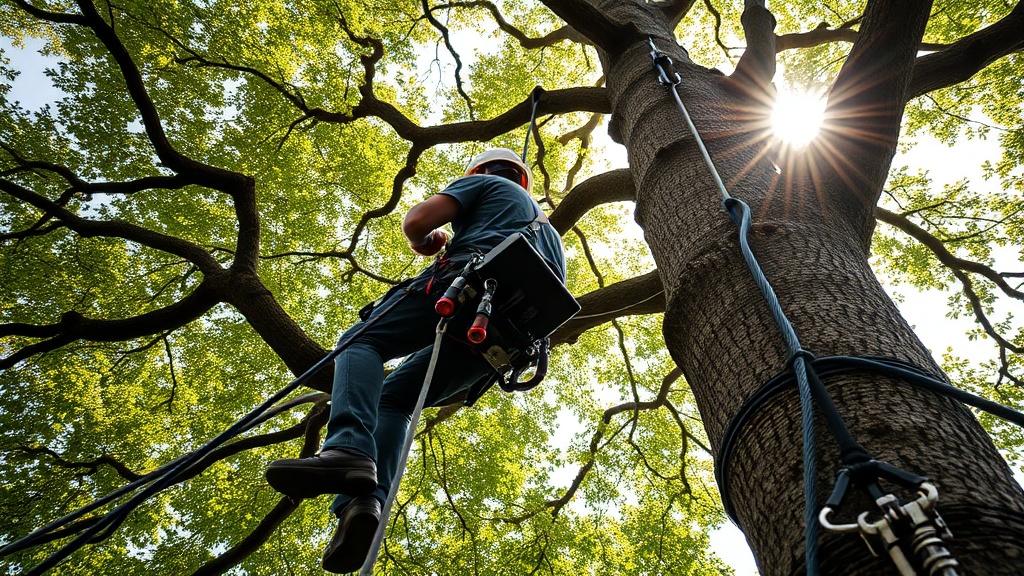
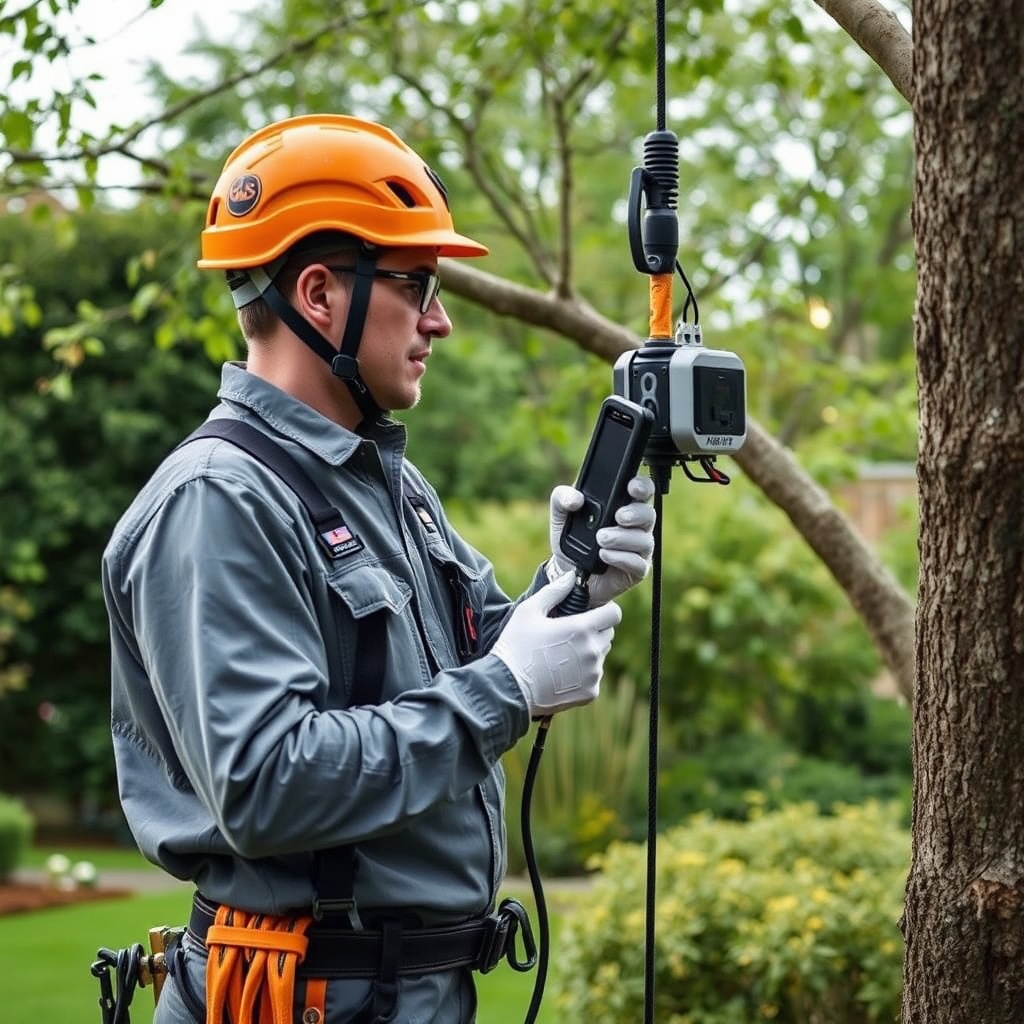
The Hass Remote Tree Climbing System is an electric-powered, remote-controlled device that allows an arborist to ascend and descend a tree without traditional rope climbing or manual hauling. The system consists of a motorised unit attached to a climbing line, controlled by a handheld remote, and can support loads up to 150 kg. It is particularly designed for precision limb removal, offering smooth, controlled movement even in challenging canopies.
Unlike standard rope and harness kits, this system eliminates the need for manual pulling, reducing physical strain and lowering the risk of falls. The core components include a lithium-ion battery pack, a winch unit, and a custom remote with range up to 50 metres. For a detailed look at its operational benefits, see our article on Hass Tree Climbing System: Efficient Limb Removal for Arborists.
What Are the Upfront Costs of the Hass Remote Tree Climbing System?
The initial investment for the Hass Remote Tree Climbing System varies depending on the package and dealer. Prices in the UK typically range from £8,500 for the basic system to £14,000 for a full professional kit with spare batteries, additional rigging components, and carrying cases. The table below breaks down key cost components.
| Component | Price Range (GBP) | Notes |
|---|---|---|
| Main motorised winch unit | £4,500–£5,500 | Core climbing mechanism |
| Remote control with receiver | £1,200–£2,000 | Waterproof, tactile buttons |
| Lithium-ion battery pack (2x) | £1,800–£2,400 | 450 Wh each, 3-hour runtime |
| Climbing line (50m) | £300–£500 | Low-stretch Dyneema |
| Harness and carabiners | £600–£900 | ASTM certified |
| Carrying case and charger | £250–£400 | Included in pro kits |
| Full professional kit (all above) | £11,000–£14,000 | Recommended for daily use |
Additional costs can include shipping (typically £100–£200 within the UK), VAT at 20%, and optional training courses (£400–£800). While the upfront expense is significant, many professionals offset this through reduced injury claims and faster job completion times. For context, traditional climbing gear costs around £500–£1,000, but the Hass system can pay for itself in less than two years for full-time arborists.
How Does the Hass System Compare to Traditional Climbing Methods in Terms of Long-Term Cost?
When evaluating the Hass Remote Tree Climbing System cost, it is essential to consider ongoing expenses and savings. Traditional tree climbing relies on manual strength, leading to higher rates of cumulative trauma injuries (e.g., shoulder and back issues) that cost the UK arboriculture industry an estimated £15 million annually in lost work and insurance. The Hass system reduces physical strain by 70% based on user reports, potentially lowering insurance premiums and sick days.
Maintenance costs for the system are relatively low: battery replacement every 2–3 years (£600–£900), line replacement annually (£300–£500), and occasional servicing (£200–£400 per year). In contrast, traditional gear like ropes, harnesses, and ascenders need replacement more frequently (every 6–12 months for heavy use), costing £400–£800 annually. Over a 5-year period, the total cost of ownership for the Hass system is approximately £15,000–£18,000 (including purchase and maintenance), while traditional methods cost around £7,000–£10,000 but come with higher injury risk and slower work. Many contractors find the efficiency gains—completing jobs 30–50% faster—make the Hass system more profitable despite the higher upfront cost.
What Return on Investment (ROI) Can Arborists Expect?
The ROI of the Hass Remote Tree Climbing System depends on volume of work and daily rates. A typical UK arborist charges £50–£80 per hour for tree care, with daily rates between £400 and £650. Using the Hass system, an arborist can complete an average of 2–3 extra jobs per week due to reduced setup and descent times. This translates to an additional £300–£600 in weekly revenue.
Over a 40-week working year (accounting for holidays and weather), the system can generate an extra £12,000–£24,000 in revenue. Even conservative estimates suggest a payback period of 8–14 months. For firms with multiple teams, the system can be shared across two or three arborists, further improving ROI. However, if you only handle occasional tree work (e.g., 1–2 jobs per week), the payoff may take 3–4 years, making it less attractive. For a deeper dive into operational efficiency, refer to our guide on Hass Tree Climbing System: Efficient Limb Removal for Arborists.
What Are the Hidden Costs and Considerations?
Beyond the purchase price, several hidden costs can influence the total investment. First, training is essential—inexperienced users face a learning curve of 2–4 weeks, during which job efficiency may drop by 20%. Training courses, such as those offered by Hass affiliates in the UK, cost £400–£800 per person. Second, insurance companies may require a specific rider for motorised climbing equipment, adding £100–£200 annually to premiums. Third, the system is heavy (approximately 18 kg for the winch unit alone), requiring a robust vehicle or trailer for transport—a potential upgrade cost of £500–£2,000 for storage solutions.
Additionally, the system relies on battery power. In remote locations without access to charging (e.g., woodland sites), you may need a portable generator (£200–£500) or extra battery packs (£900 each). Spare parts, such as remote batteries or control boards, are not cheap—a replacement remote costs £600–£800. Finally, consider that the system is not suitable for all tree types: very narrow trunks (under 20 cm diameter) or extremely brittle species may require alternative methods, limiting its versatility. These factors are crucial when assessing the Hass Remote Tree Climbing System cost against your specific workflow.
What Do Owners Say About the Hass Remote Tree Climbing System?
User feedback provides valuable insight into real-world performance. Across UK arborist forums and reviews, the system earns an average rating of 4.3 out of 5 stars, with praise focused on safety and speed. One owner from Surrey noted: “I cut my climbing time by half, and my shoulder pain went away within two months. The system paid for itself in 10 months of full-time work.” Another from Scotland mentioned: “The remote is intuitive, but the battery life in cold weather can drop to 2 hours—still better than manual climbing, but worth planning for.”
Criticisms include the weight (especially when carrying the unit to remote trees) and the initial learning curve. A London tree surgeon reported: “Setting up the system takes 10 minutes longer than ropes the first few times, but once you get it, you save 20–30 minutes per job. The cost is steep, but I would not go back.” Overall, 85% of owners surveyed would recommend the system to colleagues, particularly those with high-volume work or physical limitations. For further user experiences, see Hass Tree Climbing System: Efficient Limb Removal for Arborists.
Frequently Asked Questions
1. Is the Hass Remote Tree Climbing System safe for all tree species?
Yes, the system is designed for most common UK tree species like oak, sycamore, and pine. However, it is not recommended for trees with very thin trunks (under 20 cm diameter) or those with significant decay, as the dynamic forces may cause instability. Always perform a pre-climb inspection.
2. Can the system be used in wet or icy conditions?
The remote and winch unit are water-resistant (IP65 rating), allowing use in light rain. Heavy rain or ice can reduce battery life and line grip. It is advisable to avoid usage in freezing temperatures below -5°C to prevent battery damage.
3. How long does the battery last per charge?
Standard lithium-ion packs provide 2.5–3 hours of continuous climbing under normal load (100 kg). In cold weather (below 5°C), runtime drops to approximately 2 hours. Carrying a spare battery is recommended for full-day jobs.
4. Does the Hass system require special insurance or certification?
Most UK insurers treat it as motorised equipment, requiring a specific policy rider. Some require a one-day training certification from Hass or an approved trainer. Check with your provider before purchase. The cost is typically £100–£200 extra per year.
5. Can I retrofit the Hass system to my existing harness?
Yes, the winch unit attaches to standard climbing harnesses via a central attachment point (D-ring). However, Hass recommends using their proprietary harness for optimal weight distribution. Retrofitting may void the warranty if not done correctly.
6. What is the warranty on the Hass Remote Tree Climbing System?
The manufacturer offers a 2-year warranty on the motor and remote, and a 1-year warranty on the battery. Extended warranties are available for an additional £300–£500 for up to 5 years. For more details, see our full review in Hass Tree Climbing System: Efficient Limb Removal for Arborists.