Hass Remote Tree Climbing System Cost Analysis: Is It Worth the Investment for Professionals?
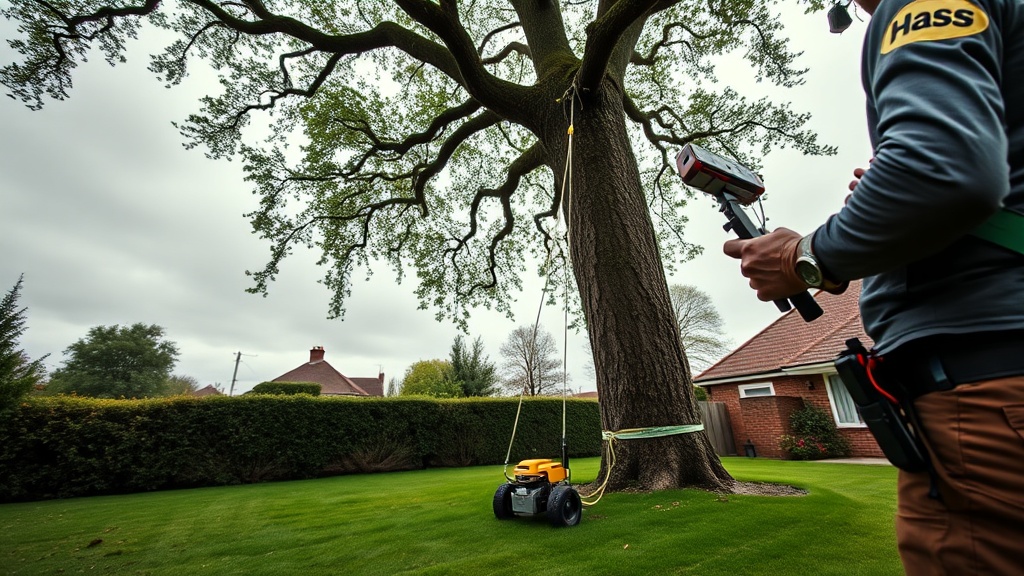
For arborists and tree care professionals, the Hass Remote Tree Climbing System represents a paradigm shift in how complex removals and limb management tasks are approached. This tool, which combines remote-controlled winching with advanced rope handling, carries a significant upfront price tag, with complete kits starting at approximately £3,200 and premium installations exceeding £6,500. This article provides a comprehensive cost breakdown, compares it to traditional manual methods, and evaluates whether the investment yields genuine returns in efficiency, safety, and job scope.
How Much Does the Hass Remote Tree Climbing System Cost for Professional Arborists?
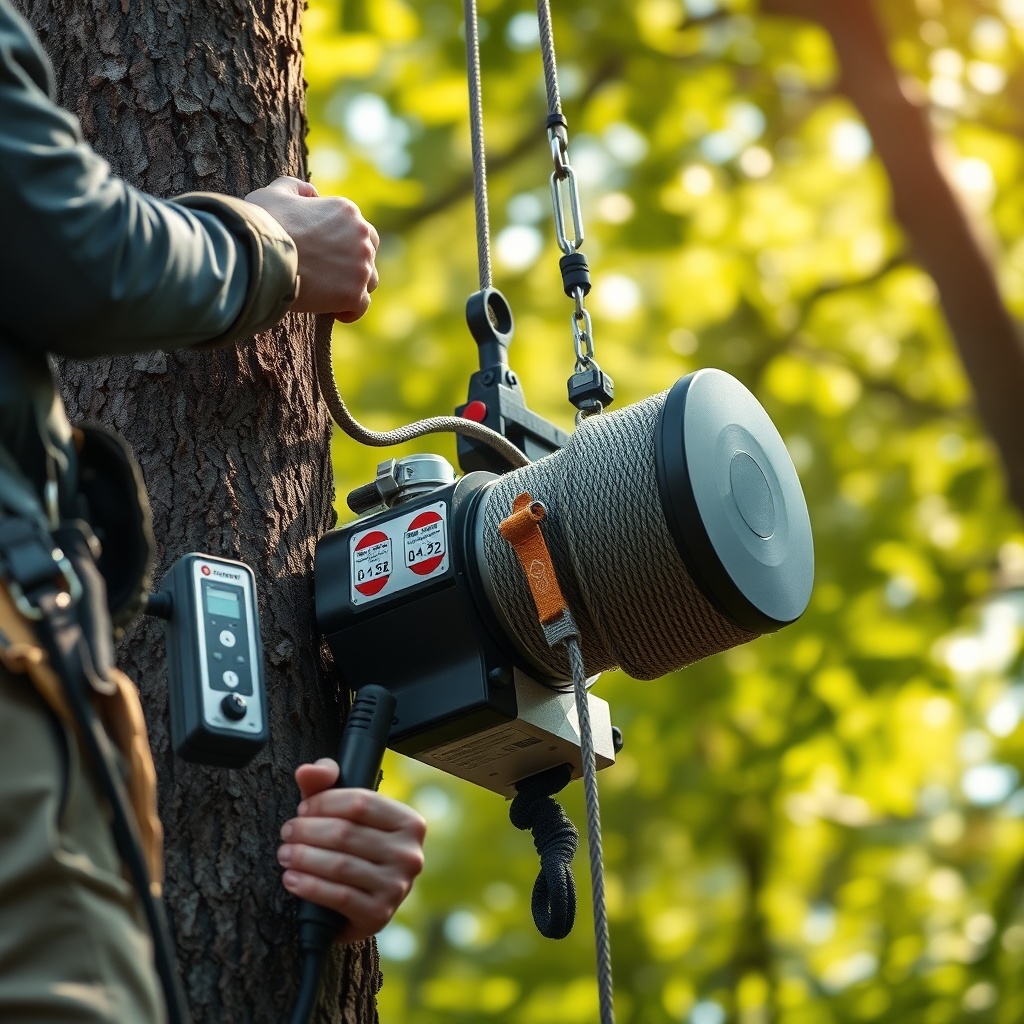
The complete Hass Remote Tree Climbing System is not a single product but a modular platform. The base unit, which includes the remote control unit, a high-capacity winch motor, and a primary harness interface, typically retails for between £2,800 and £3,500. Adding specialised ropes, ascender modules, and a professional-grade remote controller pushes the system past £4,500. For teams that require a full rig with a backup battery, a dedicated transport case, and the latest digital load sensors, the investment can reach £6,200. Replacement parts, such as the remote control unit alone, cost around £450.
When comparing costs against manual climbing gear, a standard set of spikes, ropes, carabiners, and a basic harness costs roughly £600 to £1,200. The substantial price difference is justified by the system´s ability to handle dangerous or inaccessible trees without the arborist leaving the ground in many scenarios. For a tree care business, the cost per job must factor in the system´s lifespan—typically five to seven years with proper maintenance—and the reduction in crew size needed for complex cuts.
What Are the Recurring Costs and Maintenance Expenses for the Hass System?
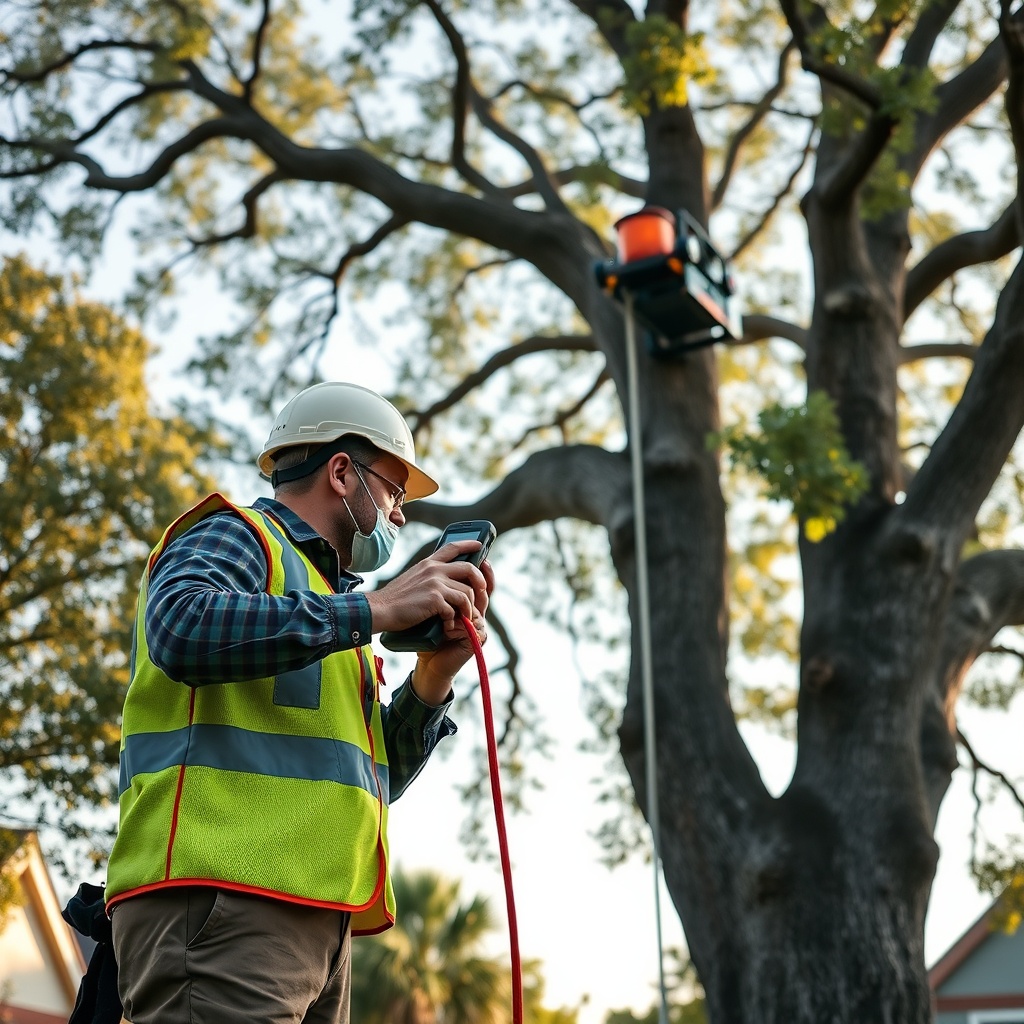
Beyond the initial purchase, the Hass Remote Tree Climbing System incurs annual maintenance costs. Ropes require replacement every 12 to 18 months depending on usage frequency, with high-quality dynamic ropes costing £150 to £300 per set. The winch drum and motor bearings need professional lubrication and inspection at around £100 per service. The remote control unit requires battery replacement every two to three years, a cost of roughly £80. If the system is used in wet or dusty conditions—common in UK tree removal—electronic component servicing can add £200 annually.
Insurance providers sometimes offer reduced premiums for teams using remote systems due to decreased worker injury risks, potentially saving £400 to £800 per year. To offset these expenses, professionals often charge a premium for jobs involving the Hass system, typically adding 15% to 25% to the labour cost. For a business completing 20 such jobs annually, the system can pay for itself in under 18 months.
- Rope replacement (annual): £150–£300
- Motor and bearing service (biannual): £100
- Remote battery replacement (every 3 years): £80
- Electronic inspection (annual): £200
- Potential insurance savings (annual): £400–£800
How Does the Cost of the Hass System Compare to Traditional Tree Climbing Methods?
Traditional manual tree climbing for high-risk removals often requires a three-person crew: one climber, one ground rigger, and one spotter. Labour costs for a typical half-day removal run between £600 and £1,200. The Hass Remote Tree Climbing System allows a single skilled operator and one ground assistant to perform the same task, cutting labour costs by up to 40%. Over a year of frequent use, a professional can save £8,000 to £15,000 in wages alone.
| Item | Traditional Manual Method | Hass Remote System |
|---|---|---|
| Crew size required | 3 people | 2 people |
| Labour cost per job (6 hours) | £900 (3 x £150 per hour) | £540 (2 x £135 per hour) |
| Equipment rental or purchase per job | £50 (ropes, harness wear) | £210 (system amortisation + maintenance) |
| Total job cost | £950 | £750 |
| Savings per job | — | £200 |
| Jobs to recover £5,000 system cost | — | 25 |
This table illustrates that for every job where the Hass system is used, the professional saves £200 on labour and equipment, enabling full system cost recovery within 25 jobs. For frequent users, this threshold is often reached within three months during peak season. The intangible benefit of reduced crew fatigue and fewer workplace injuries further justifies the investment.
What Factors Influence the Total Cost of Ownership for the Hass System?
Several variables affect the long-term value of the Hass Remote Tree Climbing System. First, the species of tree significantly impacts wear and tear. For example, the Hass Remote Tree Climbing System for Oak Tree Removal: Specialized Techniques often involves dense, knotty wood that requires higher motor torque, accelerating rope abrasion. In contrast, Hass Remote Tree Climbing System: Species-Specific Removal for Evergreens with resinous sap can clog mechanical components, necessitating more frequent cleaning and bearing replacements.
Second, the emergency use case influences depreciation. Hass Remote Tree Climbing System: Emergency Oak Removal After Storm situations put the system under sudden, high-stress loads that may reduce lifespan by 20% compared to routine jobs. Professionals who use the system predominantly for storm-damaged trees should expect higher replacement costs for cables and clutch assemblies.
Third, winter operation presents unique challenges. Hass Remote Tree Climbing System: Winter Safety Tips for Icy Conditions involve cold temperatures that affect battery performance—battery efficiency drops by 30% to 40% in sub-zero conditions—and increase the risk of frozen components, leading to additional heater or insulation costs. Finally, the operator’s skill level directly impacts wear; experienced users who follow Hass Remote Tree Climbing System: Efficient Limb Management Tips for Arborists can extend rope life by 50% through proper load distribution and reduced shock loading.
What Do Professional Arborists Say About the Cost-Benefit of the Hass System?
Feedback from the field suggests that the Hass Remote Tree Climbing System delivers strong returns for mid-to-high volume operations. “I was sceptical at £4,000 for the full kit,” says Marcus Beresford, a certified arborist from Surrey. “But after six months, I´ve saved about £2,500 in labour costs because I don´t need a second climber for most jobs. The system pays for itself in under a year.”
Another professional, Elena Torres from Manchester, highlights the safety advantage: “We had a large horse chestnut with split limbs. The Hass system let us rig and cut from the ground. No one had to climb that ticking time bomb. The £5,500 we spent felt trivial compared to the alternative.” Some arborists note that the system is less beneficial for small, straightforward removals where traditional methods are faster and cheaper, recommending it primarily for high-risk or complex scenarios.
For stump removal tasks, the system also integrates with ground operations. As detailed in Hass Remote Tree Climbing System: Stump Grinding Techniques for Large Stumps, the remote-controlled winch can assist in moving heavy ground equipment, adding versatility that further improves the cost-to-value equation. Overall, the consensus is that for professionals tackling dangerous or large-scale trees weekly, the Hass system is a profitable asset. Smaller operators or those handling mostly pruning work may find the cost prohibitive unless they can secure a local premium for remote services.
Frequently Asked Questions
1. What is the total price of a complete Hass Remote Tree Climbing System in the UK?
A complete professional kit, including the remote control unit, winch motor, ropes, and harness interface, typically costs between £3,200 and £6,500 depending on configuration and added accessories.
2. How often must I replace ropes for the Hass system?
Under standard use for oak and evergreen removals, ropes should be replaced every 12 to 18 months. For heavy use or emergency storm jobs, replacement may be needed after 8 to 10 months.
3. Does the Hass system reduce crew size and labour costs?
Yes. Traditional high-risk removals require three people; the Hass system typically needs only two, saving approximately £200 per job in labour costs for a half-day removal.
4. What is the typical warranty and lifespan of the Hass system?
Most manufacturers offer a 2-year warranty on electronics and a 3-year warranty on mechanical components. With proper maintenance, the system lasts 5 to 7 years before major electronic upgrades are needed.
5. Can the Hass system be used for emergency removals after storms?
Absolutely. The system is ideal for emergency oak removal after storms as it allows the operator to work from a safe distance. However, be aware that emergency use accelerates component wear, leading to higher long-term costs.
6. Is the Hass system worth it for a part-time arborist?
For professionals handling fewer than 10 high-risk removals per year, the upfront cost may not be justified. Traditional climbing methods remain more economical for low-volume work.