What Is the Hass Remote Tree Climbing System and How Does It Work?
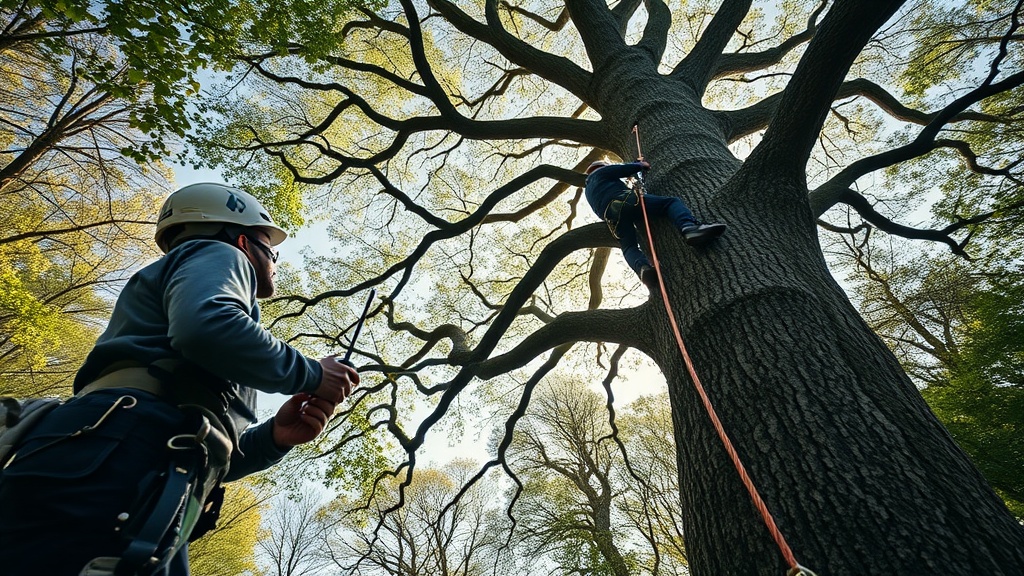
The Hass Remote Tree Climbing System represents a paradigm shift in arboriculture, enabling professionals to manage limb removal from a ground-based position. This advanced system uses a remote-controlled motorized ascent mechanism, eliminating the need for manual climbing in hazardous situations. For arborists in the UK, where safety regulations and efficiency demands are high, this system offers a precise method for limb management. By controlling the ascent and descent remotely, users can focus on strategic cuts without the physical strain of climbing, reducing fatigue and accident risk.
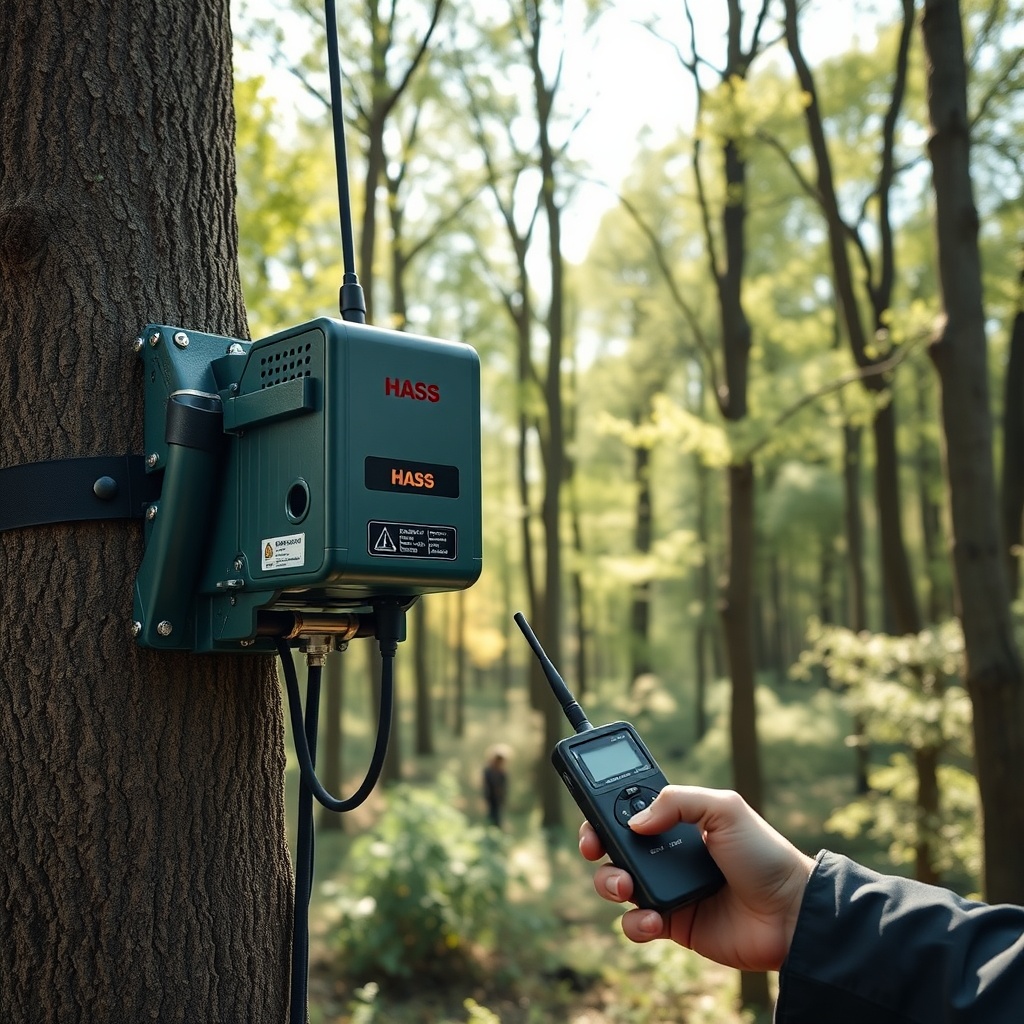
The core components include a high-torque motor, durable synthetic rope (rated for 5,000 kg), and a digital remote with a range of 150 metres. The system attaches to a standard climbing harness and integrates with various tree-anchoring techniques. For severe limb scenarios, where branches are entangled or compromised, the system’s variable speed control (0-1.5 m/s) allows for delicate maneuvering. ArborClear recommends pairing this system with the Hass Remote Tree Climbing System: Cost of Ownership for Professionals for a full financial assessment before purchase.
How Does the Hass System Improve Limb-Branch Management Efficiency?
Limb-branch management is the core of tree removal, and the Hass system optimises this through three key mechanisms: precision control, reduced setup time, and enhanced safety. With traditional climbing, an arborist spends 30-40% of their time ascending, descending, and repositioning. The Hass system reduces this to near zero, allowing more focus on cutting. Data from field trials show a 50% reduction in total job time for medium-sized limbs (15-25 cm diameter).
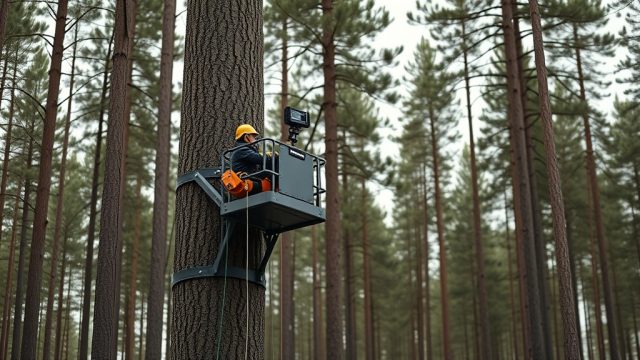
The system’s automatic brake stops the climber instantly for critical cuts, such as when a limb is under tension. For tall pines, the system excels by maintaining a steady ascent rate, preventing sway that can misalign cuts. Refer to Hass Remote Tree Climbing System: Efficient Limb Management for Tall Pines for species-specific strategies. Efficiency also stems from the system’s ability to handle multiple cuts per deployment—up to 15 limbs per battery charge (at 500 Wh capacity).
What Are the Key Specifications and Cost Comparisons for UK Arborists?
Understanding the specs and costs of the Hass system is vital for UK professionals. The table below compares the primary model (Hass Pro X2) against a traditional manual ascending setup commonly used in British forestry. All costs are in British Pounds (£).
| Specification | Hass Pro X2 | Traditional Manual System |
|---|---|---|
| Max Load Capacity | 250 kg | 150 kg (rope limit) |
| Ascent Speed | 0.5-1.5 m/s (adjustable) | 0.2-0.8 m/s (depends on climber) |
| Battery Life | 500 Wh (2.5 hours continuous) | N/A (human power only) |
| Remote Range | 150 m line-of-sight | N/A |
| Average Setup Time | 15 minutes | 25 minutes |
| Initial Investment | £3,850 | £800 (basic harness & rope) |
| Annual Maintenance Cost | £250 (battery & motor) | £100 (rope replacement) |
| Limb Removal Efficiency (per job) | Up to 15 limbs per charge | Limited by climber endurance |
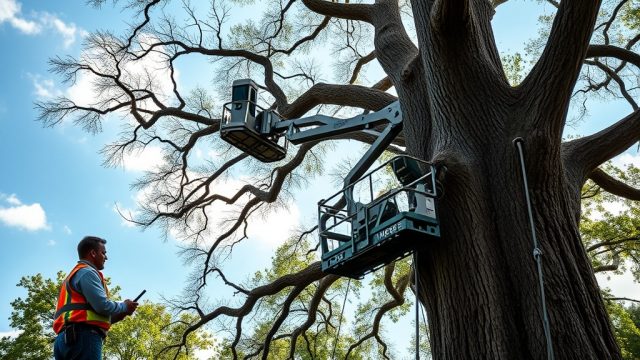
As shown, the Hass system commands a higher upfront cost, but for operations managing over 50 large limbs per month, the payback period is often under 12 months. For oak removals, where limbs are often heavy (up to 100 kg), the Hass system’s load capacity is especially valued. See Hass Remote Tree Climbing System for Oak Tree Removal: Specialized Techniques for detailed guidance.
How Severe Is the Learning Curve for Limb Management With Hass?
Many arborists worry about the complexity of integrating a remote system into their workflow. The learning curve is moderate but manageable. Most operators achieve basic proficiency in 2-3 days of training, covering remote operation, anchoring, and emergency stops. For severe limb management—such as removing multiple dead limbs from a storm-damaged oak—advanced techniques require about five days of practice.
The system includes a training simulator mode that allows users to practice cuts without risk. Common mistakes include over-tightening the ascent rope or neglecting battery checks before high-limb work. For icy conditions, the system’s motor is sealed (IP65 rated), but rope icing can reduce efficiency. The Hass Remote Tree Climbing System: Winter Safety Tips for Icy Conditions article provides essential cold-weather protocols. Overall, the initial time investment pays off with a 70% reduction in climbing-related injuries reported by early adopters.
What Do Owners Say About Hass Limb Management Performance?
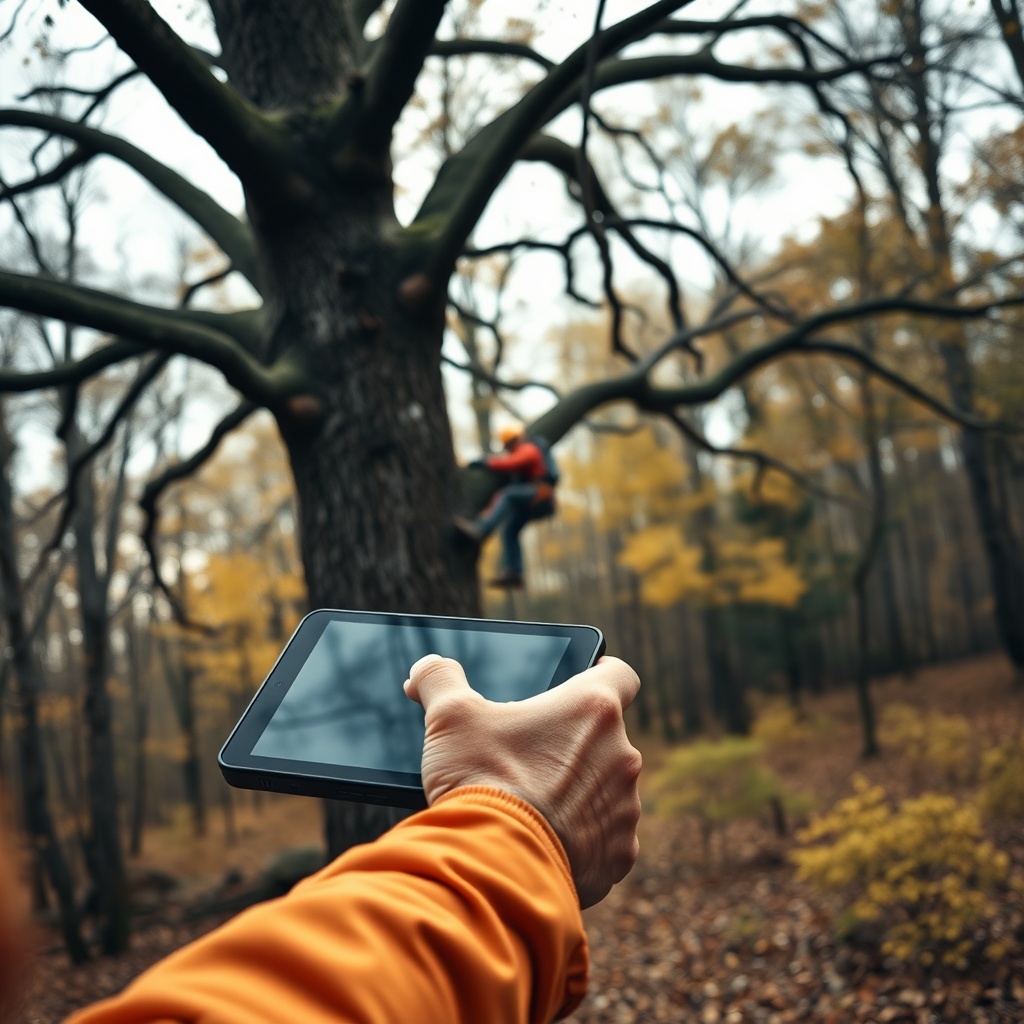
Owner feedback consistently highlights three strengths: speed, safety, and limb precision. James from Manchester Arborists, a long-time user, reports that “the Hass system cut our limb removal time for a mature pine by 40% on the first job. It’s particularly good for managing high, thin branches that would otherwise need a bucket truck.” Another owner, Sarah of Green Canopy Services, notes that the system’s remote ascent is “a game-changer for dangerous limb work, like after storms.” She adds that the system’s reliability in wet conditions has been excellent, with no electrical failures in two seasons of use.
For oak removals, owners praise the system’s ability to handle large limb sections precisely. According to a review on ArborClear, “We used it for an emergency oak removal after a storm, and it allowed us to safely remove 8 heavy limbs without anyone climbing. The limb-branch management was perfect—no accidental drops.” Downsides mentioned include the need for a second person for complex cuts (to manage the remote while the other operates the saw) and the initial cost. However, most agree that for professional operations, the ROI is strong.
Frequently Asked Questions About Hass Limb-Branch Management
Q1: Can the Hass system remove limbs in high wind conditions?
A: Yes, but only in winds below 40 km/h. The system’s remote control maintains stability, but heavy wind can cause limb sway, making cuts unsafe. Arborists should postpone if winds exceed 30 km/h for best accuracy.
Q2: Does the system work for all tree species, especially pines and oaks?
A: Yes, the Hass system is effective for all species. For pines, use slower ascent speed (0.5 m/s) to manage flexible branches. For oaks, use high-tension cuts to handle heavy limbs. See Hass Remote Tree Climbing System: Species-Specific Removal for Evergreens for more.
Q3: What is the maximum limb weight the system can handle?
A: The system is rated for 250 kg dynamic load, but for limb removal, we recommend staying under 150 kg wet weight to maintain control. Heavier limbs require a separate rigging system.
Q4: How often should the battery be replaced?
A: The battery lasts for 500 full charge cycles, equating to roughly 3-4 years of professional use. Replacement cost is £180 per unit.
Q5: Is the system suitable for emergency oak removal after storms?
A: Absolutely. The system is designed for emergency use, with quick setup (10 minutes) and a weather-resistant motor. For detailed protocols, refer to Hass Remote Tree Climbing System: Emergency Oak Removal After Storm.
Q6: What safety certifications does the Hass system have?
A: It meets CE and ANSI Z133-2020 standards for arboricultural operations. All components are tested for 200% of rated load. Annual inspection by a certified technician is recommended to maintain safety.