Husqvarna 450 Limb Removal: Cutting High Branches Safely
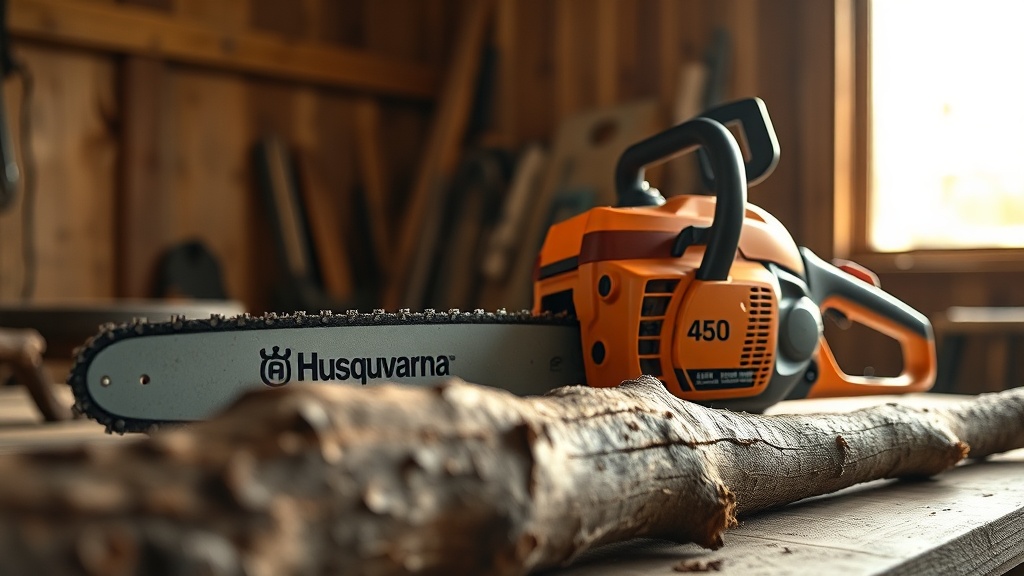
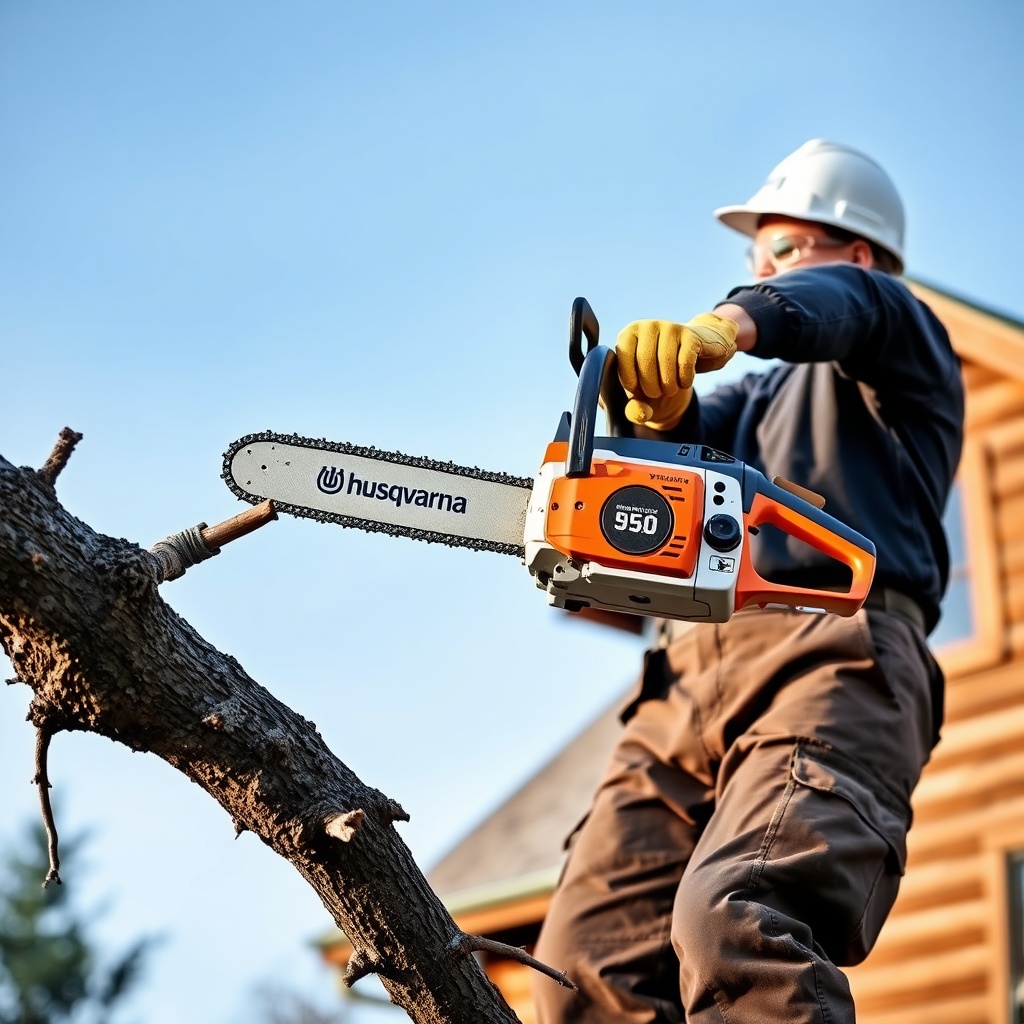
Removing high branches with a Husqvarna 450 requires careful planning and the right technique to avoid injury or property damage. This guide covers practical methods for limb removal using this 50.2cc saw, focusing on safe cutting angles, rope work, and when to step back.
Whether you’re dealing with storm-damaged limbs or routine pruning, the Husqvarna 450’s 3.2 horsepower and 18-inch bar are well-suited for branches up to 12 inches thick when used correctly with a proper cutting sequence.
Can the Husqvarna 450 Safely Cut Overhead Branches?
Yes, but only for branches within your reach while standing on stable ground or a secure ladder. The saw’s 11.3-pound weight (without bar and chain) makes it manageable for one-handed operation in some situations, but your technique must be flawless.
For branches above shoulder height, you need a plan. The Husqvarna 450 doesn’t come with a telescoping pole attachment from the factory, but you can mount it on a pole pruner adapter if needed. For most DIY users, the safest approach is a three-step method: remove weight with a preliminary cut, then make the final cut from above.
- First cut (underhand): Cut about one-third through the branch from underneath, 12-18 inches from the trunk.
- Second cut (overhand): Cut from above, about 2-3 inches closer to the trunk than the first cut, letting the limb split cleanly.
- Third cut (flush cut): Remove the stub with a clean vertical cut near the branch collar.
This method prevents bark tearing and reduces the risk of the saw binding or the branch pinching the chain. Always keep the chain brake engaged between cuts and maintain a firm grip with both hands.
For emergency situations after a storm, see our guide on Using Husqvarna 450 for Emergency Tree Removal After Storm for specific techniques on leaning or broken branches.
What Rope and Rigging Works Best With the Husqvarna 450?
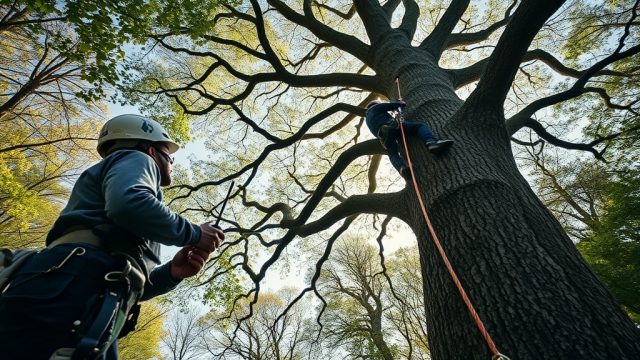
For larger limbs that could fall on structures or people, rope rigging is essential. The Husqvarna 450 has enough torque to handle 5/8-inch or 3/4-inch arborist rope when used with a block and tackle. However, the saw itself isn’t the winch—it just makes the cuts.
Here’s a typical setup for a branch that’s 10-15 feet long and 6 inches diameter:
| Component | Recommendation |
|---|---|
| Rope diameter | 5/8 inch (16 mm) double-braid for loads up to 4,000 lbs |
| Friction device | Port-a-wrap or similar for controlled lowering |
| Anchor point | Tree trunk or another sturdy limb rated for 5,000+ lbs |
| Saw chain | Sharp full-chisel chain for clean cuts under tension |
Cutting a tensioned branch requires extra care. Make a shallow relief cut on the top side of the branch first—this prevents the saw from being pinched when the limb springs upward. Then cut upward through the remaining wood from the bottom. Never stand directly under the falling limb.
For a cost comparison of hiring a pro versus DIY with rope rigging, check our Husqvarna 450 Tree Removal Cost Breakdown.
Which Bar Length Is Best for Limb Removal?
The Husqvarna 450 ships standard with an 18-inch bar, which is a good all-around size for limb removal. For most home use, this gives you enough reach to cut through 16-inch diameter branches without the bar being so long that it becomes unwieldy in tight canopy work.
You can also fit a 16-inch or 20-inch bar. Here’s the trade-off:
- 16-inch bar: Better for tight spaces and lighter weight (saves about 0.5 lb). Tip-burden is reduced when cutting smaller limbs.
- 18-inch bar: Best balance for branches 6-14 inches thick. This is the factory recommendation.
- 20-inch bar: Useful for occasional 16-18 inch limbs, but the saw may bog down in dense hardwood without a sharp chain. Not ideal for high-limb work due to added leverage.
Whichever bar you choose, keep the chain tensioned correctly. A loose chain can derail mid-cut, especially when working at awkward angles. Adjust it every 15-20 minutes of cutting, or whenever you see the chain sag underneath the bar.
For a comparison with another popular DIY model, read our review: Husqvarna 450 vs Echo CS-590 for DIY Removal.
How Do You Prevent Kickback When Cutting High Branches?
Kickback is the leading cause of chainsaw injuries. When cutting high branches, you’re often working at shoulder or chest level, which increases the risk because the saw’s tip is closer to your face and torso. The Husqvarna 450 has an inertia-activated chain brake and a low-kickback bar and chain as standard equipment, but these features only help if you use them correctly.
Follow these rules to minimize kickback:
- Never cut with the tip of the bar—the upper quadrant is the danger zone.
- Keep your thumbs wrapped around the handles (not on top) for a secure grip.
- Position your body to the side of the cutting line, not behind the saw.
- Ensure the chain is sharp—a dull chain causes the saw to bounce.
- Before cutting, clear the area of branches that could contact the saw tip.
A common mistake is reaching too far with the saw. If you can’t comfortably reach the branch while keeping both feet on stable ground, use a pole saw or hire a professional. The Husqvarna 450 isn’t a pole saw, and modifying it with a long extension is dangerous unless you use a manufacturer-approved adapter.
What Safety Gear Is Mandatory for Limb Removal?
This section isn’t optional. When removing high branches, gravity works against you—falling limbs and sawdust rain down on you. You need protection from both the saw and the falling debris.
| Severity Level | Example Scenarios | Required Gear |
|---|---|---|
| Usually not urgent | Small branches under 2 inches, no nearby structures | Safety glasses, gloves, hearing protection, hard hat |
| Needs attention soon | Branches 3-6 inches near house or power lines; dead limbs | Add cut-resistant chaps, steel-toe boots, eye and face screen, helmet with visor |
For any limb removal, wear a forestry helmet with a mesh visor and ear muffs. The mesh visor protects your face from flying bark and sawdust, and the hard hat deflects falling debris. Cut-resistant chaps or pants are non-negotiable—most chainsaw accidents happen on the left thigh. Steel-toe boots with good traction are essential when working on uneven ground or wet grass.
Gloves should be cut-resistant but allow good dexterity for starting the saw and making adjustments. Consider a pair with padded palms for vibration reduction on longer cuts.
What Owners Say
Owners of the Husqvarna 450 consistently mention three points about limb removal:
- “The saw starts easily even after sitting for months, which is key for storm cleanup. I used it to drop a 10-inch oak limb that fell across my driveway, and it cut through in about 20 seconds.”
- “I wish the chain brake was easier to engage one-handed while holding the saw at chest height. But once you get used to the inertia system, it’s reliable.”
- “For the price (around £380 new), you get a lot of power for the weight. I wouldn’t try cutting 18-inch branches every day, but for occasional 8-12 inch limbs, it’s perfect.”
Many owners also recommend upgrading the chain to a full-chisel type for cleaner cuts in hardwoods, though this comes with a slightly higher risk of kickback if you’re not careful with technique.
Frequently Asked Questions
Can I use the Husqvarna 450 for pruning fruit trees?
Yes, but it’s overkill for most fruit trees. Use a smaller saw or manual pruners for branches under 2 inches. The 450 is better for removing large scaffold limbs or dead wood in mature trees.
What oil should I use for the bar and chain?
Use Husqvarna’s biodegradable bar and chain oil (about £8 per litre) for regular use. It has better tackiness than generic oils and reduces wear on the bar rails. Never use motor oil—it doesn’t adhere well and can gum up the oiler.
How often should I sharpen the chain when cutting dry limbs?
Every 2-3 full tanks of fuel, or sooner if you notice sawdust rather than chips. A sharp chain produces square, clean chips. Dull wood dust means it’s time to sharpen with a 5/32-inch round file at a 30-degree angle.
What’s the safest way to cut a limb that’s under tension?
Make a notch cut on the compressed side (top of the limb) first, about 80% through the diameter. Then cut upward from the bottom side to release tension. Stand at a 45-degree angle to the cut and never directly behind it.
Can I attach a brushcutter head to the Husqvarna 450?
No. The Husqvarna 450 is designed solely for chainsaw use. Attempting to mount a brushcutter head voids the warranty and is extremely dangerous due to the different clutch and drive system.
How do I store the saw between uses for limb removal?
Empty the fuel tank and run the engine dry if storing for more than 30 days. Remove the chain and bar, clean them with a brush, and store in a dry place. Lubricate the bar rails with oil before reassembly.