Using Husqvarna 450 for Emergency Tree Removal After Storm
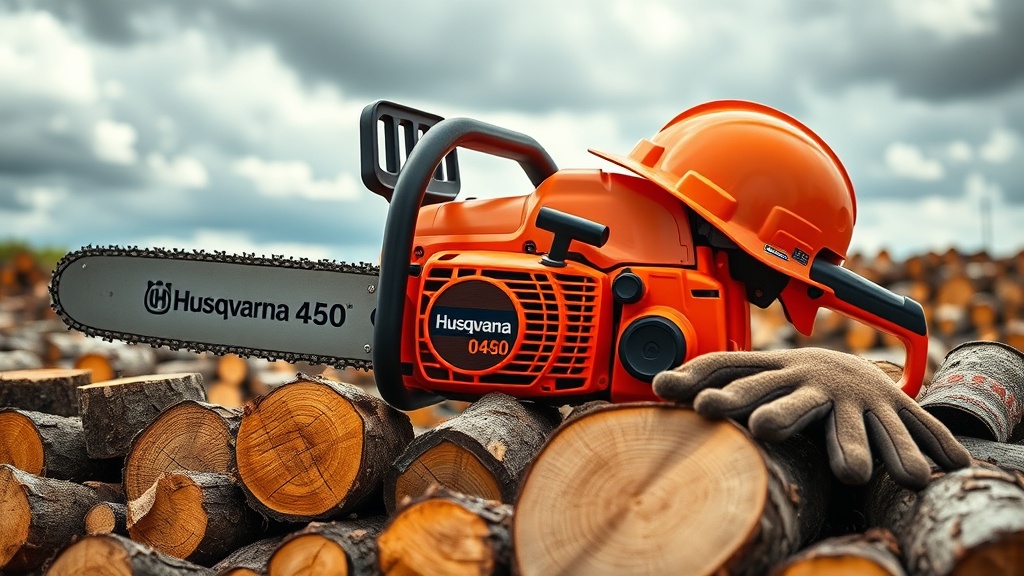
When a storm drops a tree across your driveway or onto your home, the Husqvarna 450 often becomes the difference between a manageable cleanup and a drawn-out nightmare. This 50.2cc homeowner-class saw strikes a practical balance between power and weight, making it a realistic tool for urgent limb removal and small-to-medium tree takedowns in the 12- to 20-inch diameter range. Here’s how to put it to work safely and effectively when every minute counts.
Is the Husqvarna 450 Powerful Enough for Storm-Damaged Trees?
The short answer is yes, within its practical limits. The 450 produces 3.2 horsepower at the crankshaft and spins a 20-inch bar as standard, though an 18-inch bar is often better for storm work because it reduces kickback risk and handles better in tangled debris. In real-world terms, that power translates to cutting through an 18-inch diameter oak or maple trunk in roughly 6 to 10 seconds per cut, depending on chain sharpness and wood condition.
What matters more than raw numbers is how the saw handles under stress. Storm-damaged trees are rarely textbook clean cuts—they often have tension, compression, or trapped limbs. The 450’s Smart Start decompression valve lets you pull the cord with 40% less effort, and its air injection cleaning system keeps the filter running longer in dusty, bark-shredded conditions. That matters when you’re working through a dozen cuts in a row without stopping.
Where you might hit the ceiling is on trunks over 22 inches or when felling a leaning tree under heavy wind load. If you see major cracks above head height or the trunk is beyond the saw’s bar length, step back and call a professional. The 450 is a homeowner saw, not a beast for 30-inch trunk removal.
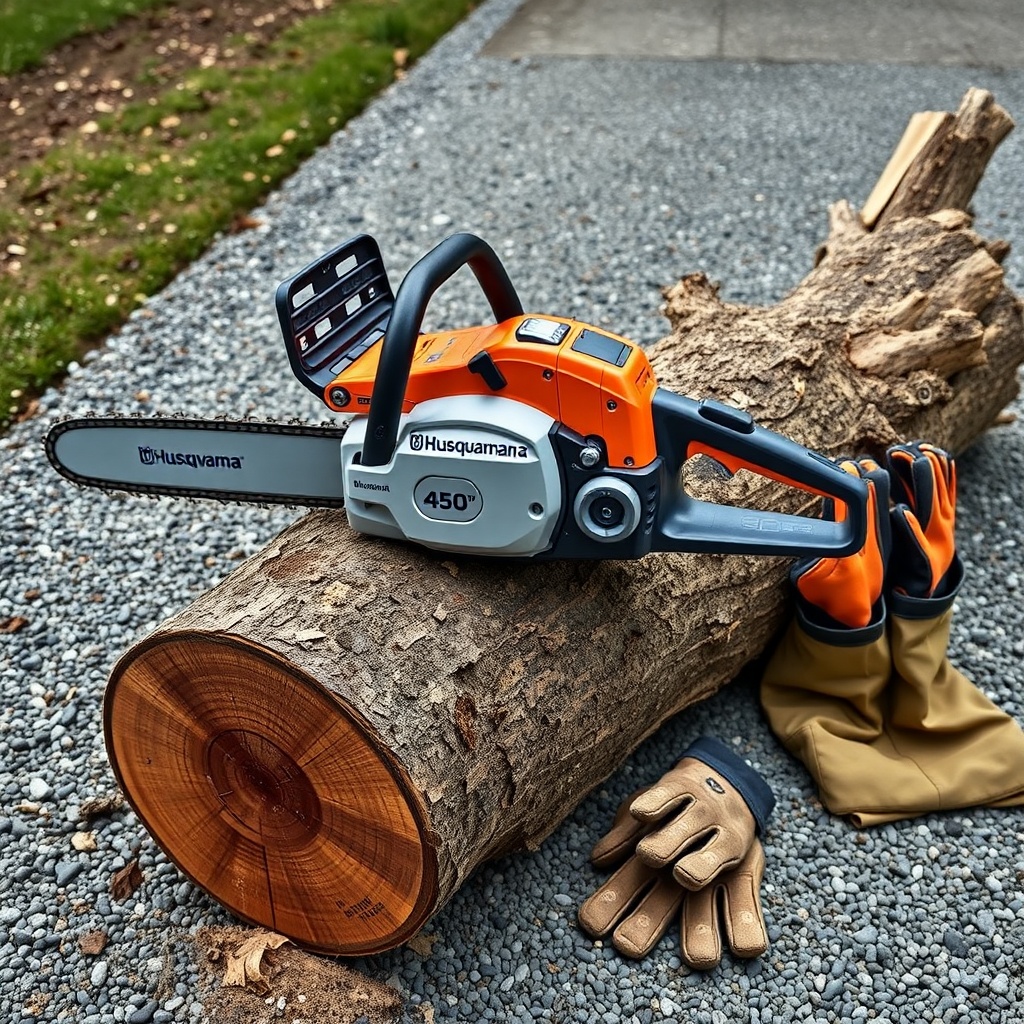
What Safety Gear Is Critical for Emergency Storm Work?
Running a Husqvarna 450 in the middle of a storm cleanup means you’re already at a disadvantage—wind may still be gusting, the ground could be soaked with rain, and the tree might be partially suspended. Your safety gear is non-negotiable. At minimum, you need:
- ANSI-approved chainsaw chaps (Class 1 or 2) that cover from hip to ankle
- Chainsaw helmet with face screen and hearing protection—branches overhead can shift unpredictably
- Steel-toed boots with oil-resistant soles rated for wet surfaces
- Kevlar-reinforced gloves with a non-slip palm
- A first aid kit with a tourniquet and clotting bandage within arm’s reach
When you’re cutting storm debris that may be under tension (often called “spring poles”), wear extra protective gear on your legs and arms. A 50cc saw like the 450 can kick back violently if the chain contacts a compressed limb that suddenly releases. Always stand to the side of the cut, never directly behind the bar path, and keep your left thumb wrapped under the front handle for control.
How to Prioritize Cuts on a Downed Tree with the Husqvarna 450
Storm trees rarely fall in neat pieces. You’ll often see a tree that’s bent, pinned against a house, or tangled in power lines. The first rule: never cut anything touching a utility line—call your power company. For everything else, use a severity-based approach. Here’s a practical table to decide what needs immediate action versus what can wait:
| Category | Characteristics | Best Tool Approach |
|---|---|---|
| Immediate hazard (cut now) | Branch or trunk pressing on roof, blocking driveway, or under heavy tension that threatens to snap further | Husqvarna 450 with 18-inch bar, use bypass cuts (remove weight from the tension side first) |
| Needs attention today | Hanging limb (widowmaker) over walkway, tree leaning against a fence, major root plate lifted | Use climbing spikes or pole pruner for high limbs; 450 for cleanup cuts on the ground |
| Can wait 24–48 hours | Minor limb broken but not blocking access, a fallen branch not near structures, small tree on lawn | Husqvarna 450 with standard 20-inch bar; take your time to buck into manageable 18-inch lengths |
| Not urgent (schedule later) | Dead standing tree with no lean, split trunk not near anything, scattered debris pile | Use the 450 after the storm passes; consider felling the dead tree with a notch cut |
Work from the top of the downed tree downward. Remove branches first to relieve weight, then cut the trunk in sections. For the Husqvarna 450’s chain brake to work effectively, keep the bar tip clear of the ground—storm soil is often muddy and will dull a chain in ten seconds flat.
What Modifications Help the Husqvarna 450 in Storm Conditions?
Out of the box, the 450 is set up for occasional maintenance, but you can improve its reliability for emergency scenarios with three simple changes:
Swap to a skip-tooth chain. Storm wood is often dirty with embedded gravel or nails. A 26-inch skip-tooth chain sheds debris better and keeps cutting longer between sharpenings. Expect to pay around £28 (approximately $35 USD) for a quality Oregon or Stihl chain in 3/8 pitch.
Replace the stock air filter with a pre-filter cover. The 450’s side-access air filter is fine for clean wood, but in storm conditions with wet bark and mud splatter, a pre-filter (around £12) doubles the time before you need to clean it. Just tap it out every few cuts.
Add a handle-mounted chain brake. The 450 already has a chain brake as standard, but if you’re climbing or working on a ladder (not recommended for storm work), add a second position brake. Most professionals skip this; instead, just use the saw on the ground with a long bar.
None of these modifications void the factory warranty if done correctly, and they each cost under £40. For the price of one professional storm cleanup visit (typically £250 to £400), you can outfit your 450 for years of reliable emergency use.
What Owners Say About Using the Husqvarna 450 in Storm Cleanup
Real-world feedback from users who’ve run the 450 in emergency situations highlights two consistent themes. First, the saw starts on the first or second pull even after sitting for months—owners with storm experience say this reliability is critical when you’re cold, wet, and working by flashlight. The second theme is that the 450 feels underpowered on old oak or dense hickory trunks over 18 inches; users report having to sharpen the chain mid-job or risk stalling the engine in deep cuts, which wastes time and leaves a dangerous half-cut branch.
One owner in Florida who cleaned up after Hurricane Ian reports that the 450 handled 90% of the work on a 20-inch laurel oak that fell across his driveway. He noted that the saw’s wide handle and ergonomic design made it easy to grip with wet gloves. Another user in the Midwest says the 450’s anti-vibration system reduces fatigue noticeably when cutting for 40 minutes straight, but he recommends keeping a spare chain and a flat file in your truck because you’ll dull the edge faster than expected on storm debris with dirt and sand embedded in the bark.
Frequently Asked Questions
Can the Husqvarna 450 cut wet or green wood after a storm?
Yes, it cuts wet wood well, but the chain will dull faster. Wet wood is softer, so the saw cuts aggressively, but moisture and dirt accelerate chain wear. Plan to file the chain after every 2–3 tanks of fuel during storm work.
What is the maximum tree diameter the Husqvarna 450 can cut through?
With a 20-inch bar, the maximum practical cut is about 19 inches for a single underbuck cut. For a flush cut from both sides, you can go up to about 22 inches, but it’s slower and risks bar pinching. For storm removal, keep cuts under 18 inches for best control.
Do I need to change the fuel mix for emergency use?
No, but use fresh 50:1 mix. Stale fuel (over 30 days old) reduces power and can cause hard starts in cold, wet conditions. If you’re in a hurry and only have older fuel, add a fuel stabilizer like Sea Foam (around £8) to improve combustion.
How long does the Husqvarna 450 run on a full tank during storm work?
Under heavy load—repeated full-throttle cuts in dense wood—you’ll get approximately 20 to 25 minutes per tank. In lighter limbing, it stretches to about 35 minutes. Always carry extra fuel in a proper container; a storm job that looks small might eat 2–3 tanks before you finish.
Is it safe to use the Husqvarna 450 on a ladder for storm cleanup?
No. Ladder use with a chainsaw, even a lightweight one like the 450, is extremely dangerous because of the risk of kickback and loss of balance. For high limbs, use a pole pruner or call a professional with a bucket truck. The Husqvarna 450 Limb Removal: Cutting High Branches Safely article covers ground-based techniques for reaching elevated branches without climbing.
Should I sharpen the chain before starting storm cleanup?
Yes. A sharp chain on the Husqvarna 450 cuts faster with less pressure, which is safer when you’re working on unstable debris. Use a 5/32-inch round file at a 30-degree angle. If you’re tackling multiple storm jobs, consider buying a spare chain to swap out quickly.
For a detailed breakdown of total costs including chain replacement and fuel, see the Husqvarna 450 Tree Removal Cost Breakdown. If you’re comparing the 450 to a more powerful saw for storm work, the Husqvarna 450 vs Echo CS-590 for DIY Removal article explains exactly where each saw excels.