Husqvarna 450 vs Echo CS-590 for DIY Removal: Which Saw Serves the Weekend Woodcutter Best?
For the DIY homeowner who faces fallen limbs after a storm or a dead tree threatening the fence line, choosing the right chainsaw is a critical decision. The Husqvarna 450 and Echo CS-590 are two of the most debated workhorses in the sub-£500 class, each promising reliable power for occasional removal tasks. This direct comparison breaks down their specific strengths and weaknesses for hands-on tree removal, so you know which tool puts the best value in your hands.
Is the Husqvarna 450 Powerful Enough for DIY Tree Removal?
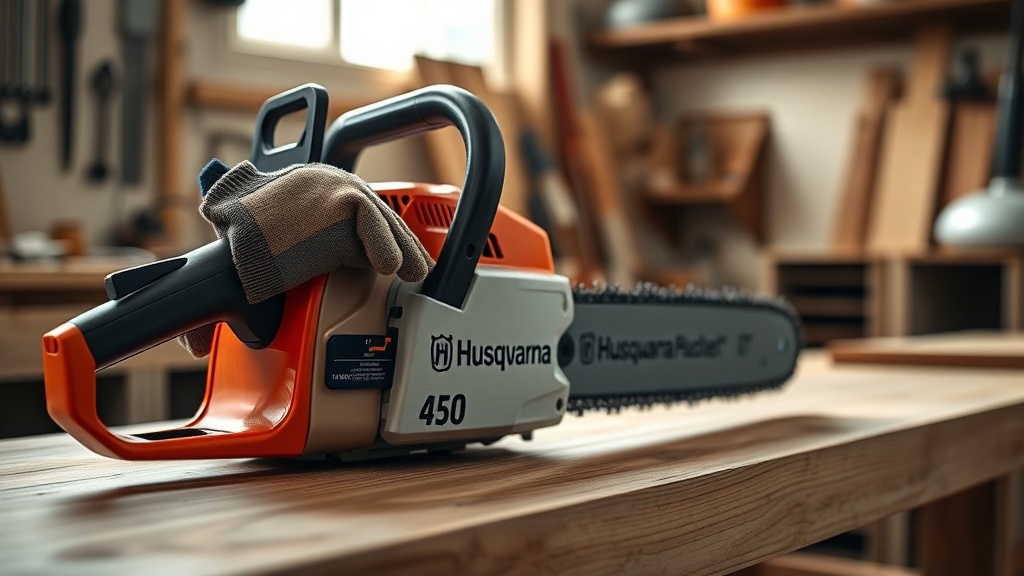
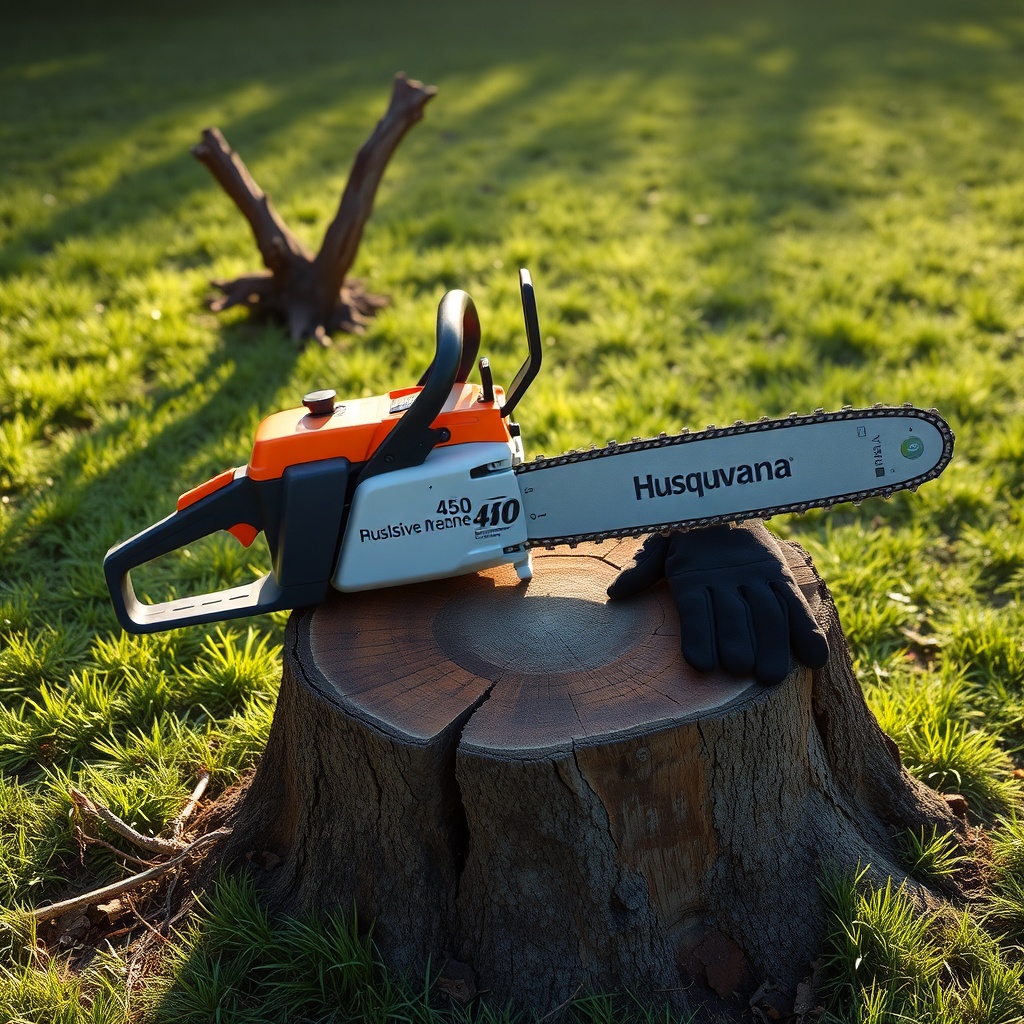
The Husqvarna 450 packs a 50.2 cc X-Torq engine that delivers approximately 3.2 horsepower. For a DIY user, this power is well-suited for cutting limbs up to about 18–20 inches in diameter, which covers 95% of typical residential removal jobs: storm-damaged branches, dead standing wood under 30 feet, and trunk sections of medium-sized trees. Where it does show its limits is in sustained heavy work. The engine can bog down if you’re milling large logs or cutting dense hardwood like oak or hickory repeatedly without letting the chain cool. For the homeowner who deals with one or two significant cuts per session, the 450’s power is ample and easy to manage. The Husqvarna 450 Limb Removal: Cutting High Branches Safely guide details exactly how to set depth gauges for branch work, which leverages the saw’s lightweight feel.
How Does the Echo CS-590’s Power Compare for Stubborn Stumps?
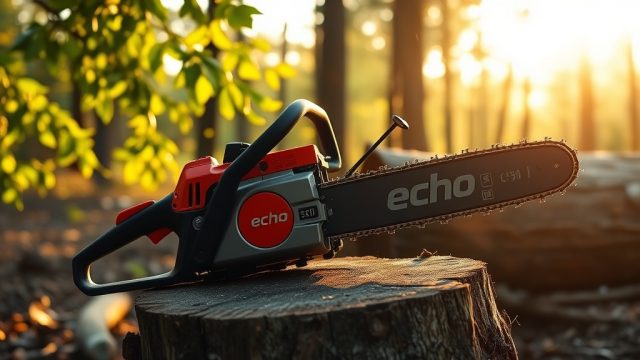
The Echo CS-590, often nicknamed the “Timber Wolf,” uses a larger 59.8 cc professional-grade engine that churns out roughly 4.0 horsepower. This extra displacement becomes noticeable when you need to cut through tough base trunks or large root flares. Where the Husqvarna 450 may slow down after several deep cuts, the CS-590 keeps its chain speed high. For the DIY removal of a tree that’s 24–30 inches across at the base, the Echo CS-590 will complete the task in fewer passes and with less strain on the saw. However, this extra power comes with a trade-off: the CS-590 is noticeably heavier (around 13.4 lb dry vs the 450’s 10.8 lb). That extra weight can tire a weekend user after an hour of bucking, especially at awkward angles. In the Using Husqvarna 450 for Emergency Tree Removal After Storm context, the lighter 450 allows quicker repositioning and less fatigue if you’re working against the clock.
Which Saw Feels Better in Hand for Long Cutting Sessions?
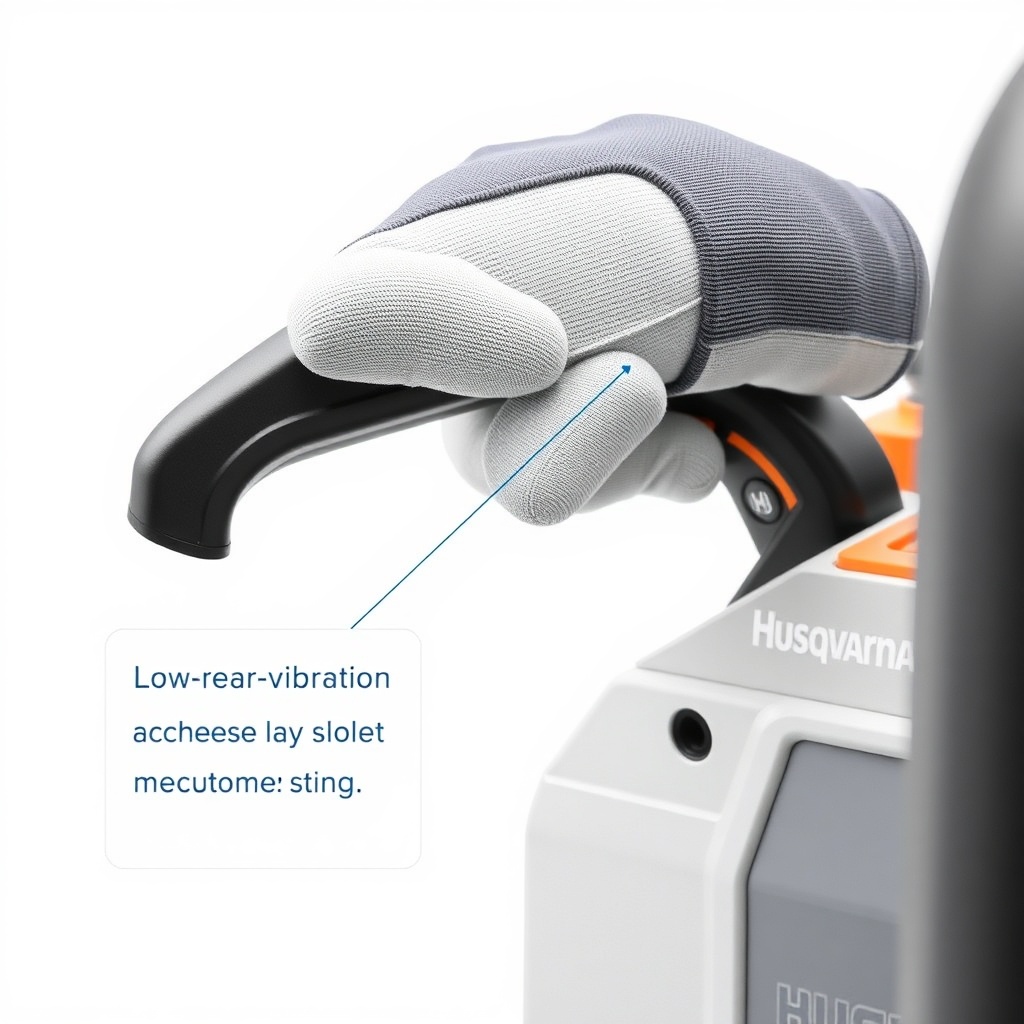
Ergonomics matter immensely for the DIYer who isn’t used to running a saw for three hours straight. The Husqvarna 450 features a low-vibration design (LowVib) that transmits significantly less shaking to your hands. Owners often note that after cutting a dozen 10-inch limbs, their forearms feel less fatigued with the 450 compared to the CS-590. The Echo CS-590, while well-built, has a more basic anti-vibration system that some find tiring on longer jobs. The 450 also employs an adjustable oil pump and a simple combined choke/stop control that is intuitive for beginners. The Echo uses a traditional on/off switch and a separate choke lever, which works fine but requires a two-step start procedure that can be confusing the first time. For a DIYer who values an easy day in the yard, the 450’s lighter weight and smoother feel win out.
| Specification | Husqvarna 450 | Echo CS-590 |
|---|---|---|
| Displacement | 50.2 cc | 59.8 cc |
| Power Output | 3.2 hp | 4.0 hp |
| Dry Weight | 10.8 lbs (4.9 kg) | 13.4 lbs (6.1 kg) |
| Bar Length (max recommended) | 20 inches | 24 inches |
| Fuel Capacity | 17 oz (0.5 L) | 19.4 oz (0.57 L) |
| Chain Pitch | 3/8″ low profile | 3/8″ standard |
| Average Price (UK) | £420 | £480 |
As the comparison shows, the Echo carries more weight and fuel, but the Husqvarna 450 offers a leaner package that many DIYers find less intimidating to manage over the course of a weekend project. The Husqvarna 450 Tree Removal Cost Breakdown article explains how lower weight also keeps fuel consumption modest, which reduces running costs if you only use the saw quarterly.
Which Saw Is Easier to Maintain and Repair as a DIY Owner?
Both saws require routine air filter cleaning, spark plug checks, and chain sharpening. The Husqvarna 450’s X-Torq design has a unique cylinder that can be harder to decarbonize if you don’t run high-quality fuel, but routine maintenance—cleaning the air filter and checking the spark arrestor—is straightforward. The clutch cover on the 450 comes off with a simple single nut, making chain replacement easy. The Echo CS-590 uses a more traditional design that parts suppliers widely support, and many small engine repair shops stock Echo parts for the same day. However, the CS-590’s larger piston and cylinder kit cost about 25% more to replace if you ever blow the engine. For the DIY owner who does their own work, the Husqvarna 450 has a slight edge in simplicity, with the caveat that you should use a good synthetic mix oil to prevent buildup. The owner’s manuals for both saws are clear, but the Husqvarna manual includes better illustrated steps for winterizing.
How Do the Chains and Bars Perform on Each Saw?
The stock chain on the Husqvarna 450 is a 3/8″ low-profile chain with a 0.050″ gauge, which cuts quickly in softwood and small hardwood but tends to stretch faster if you let it get dull. The Echo CS-590 comes with a full 3/8″ chain and a heavier 0.058″ gauge Oregon bar. This setup resists kickback better and lasts longer in dirty conditions (digging into soil or hitting rocks). For removal work where you’re cutting near the ground—like a storm-fallen tree—the Echo’s chain retains sharpness noticeably longer against grit. However, when you need quick cuts on elevated limbs of a standing tree, the 450’s lighter chain reduces strain on the engine and allows faster raker filing. A practical tip: keep a spare chain for whichever saw you choose, and sharpen regularly. The 450’s chain will need dressing after cutting through about 10–12 inches of seasoned oak, while the Echo can handle 15–18 inches before noticeably dulling.
What Owners Say
Owners of the Husqvarna 450 frequently mention two points. First, they love how the saw starts easily even after sitting for months—the Smart Start system reduces resistance. Second, they note that the plastic chain brake handle feels flimsy compared to the Echo’s metal components, but no one reports it failing. One owner on a UK forum wrote: “Used my 450 to take down a 30-foot sycamore after a storm. Did the whole job in one afternoon—bucked the trunk into 18-inch rounds. Got tired, but not wrecked. Would I do it every day? No. For twice a year removal? Perfect.” Echo CS-590 owners emphasize reliability and torque. Another owner shared: “I bought the 590 for clearing a two-acre lot. It eats through ash and elm like butter. It’s heavy, but I don’t care because it doesn’t bog. If you’re young and strong, get the Echo. If you want a gentle saw for the shed, get the Husky 450.”
Frequently Asked Questions
Can the Husqvarna 450 handle cutting a 24-inch diameter oak tree?
Yes, but it will require cuts from both sides. The 20-inch bar can reach through most of a 24-inch trunk if you wedge the cut open. For oaks over 30 inches, the Echo CS-590’s longer bar is better suited.
Does the Echo CS-590 require a professional to operate safely?
No. The Echo CS-590 is suitable for experienced DIYers, but beginners should master basic cutting technique with a smaller saw first. Its higher power can surprise an untrained user.
Which saw has a better warranty for DIY use?
Husqvarna offers a 2-year consumer warranty on the 450. Echo’s 5-year consumer warranty is a strong advantage for the CS-590, covering more parts for longer, provided you use it as a non-commercial user.
Do I need to use special fuel for the Husqvarna 450?
Yes, for best performance and fewer emissions, use a high-quality 2-stroke oil mixed at 50:1 with premium unleaded petrol (95 RON or higher). Avoid ethanol blends above E10.
Is the Echo CS-590 more fuel efficient than the Husqvarna 450?
No. The Husqvarna 450’s X-Torq engine consumes less fuel per cut because it’s more efficient. The Echo CS-590 uses more fuel due to its larger displacement, though run time per tank is similar because the Echo holds slightly more fuel.
Can I mount a 24-inch bar on the Husqvarna 450 for cutting larger logs?
Technically yes, but the 450’s engine struggles to keep chain speed up with a 24-inch bar. A 24-inch bar also increases kickback risk. Stick with the recommended 20-inch bar to maintain safety and cutting efficiency.