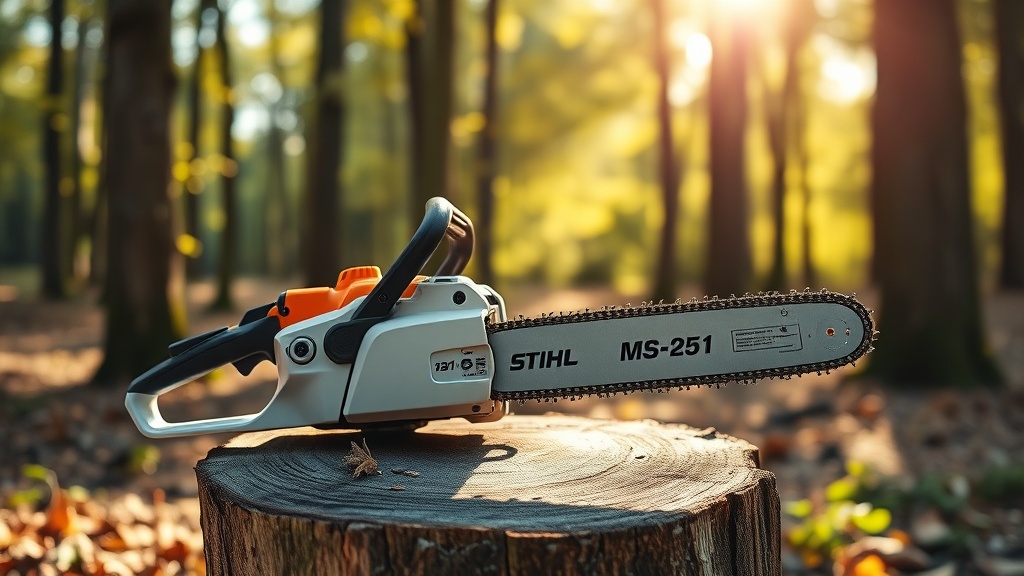
Stihl MS 251 vs Husqvarna 450: Cost of Ownership
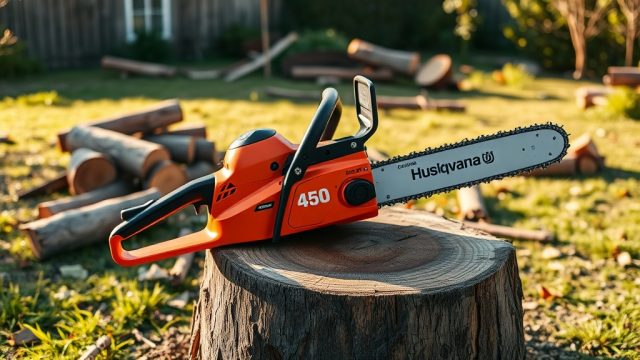
When you’re shopping for a mid-range chainsaw for tree removal tasks like pruning or felling small-to-medium trees, the decision often comes down to two workhorses: the Stihl MS 251 and the Husqvarna 450. But the price tag is only the beginning—the real question is which model offers lower long-term costs. This article breaks down the Stihl MS 251’s true cost of ownership compared to the Husqvarna 450, covering fuel efficiency, maintenance intervals, parts pricing, and resale value so you can make a practical, informed purchase for your property.
What Is the Initial Purchase Price Difference?
The upfront cost is a natural first consideration. As of early 2025, a standard Stihl MS 251 with a 18-inch bar retails for approximately $429.99 USD at most dealers (prices may vary regionally). The Husqvarna 450, also with an 18-inch bar, typically sits around $379.99 USD. That initial $50 difference favors the Husqvarna at checkout. However, this gap often narrows when you factor in what each model includes out of the box—Stihl generally includes a carrying case and a basic tool kit, while Husqvarna sells those separately. For the tree removal niche, the Stihl MS 251’s stronger anti-vibration system and slightly higher torque at lower RPMs can justify the premium if you plan to fell trees frequently. Consider reading our Felling a 30-Foot Oak with Stihl MS 251 guide to see how the power handles real-world felling tasks.
How Do Fuel and Oil Costs Compare Over 50 Hours of Use?
Over a typical homeowner’s season (say, 50 hours of cutting), fuel and bar oil costs add up significantly. The Stihl MS 251 features a low-emission engine that runs at a 50:1 mix ratio, with a fuel consumption rate around 0.9 liters per hour under moderate load. The Husqvarna 450 burns slightly more—about 1.05 liters per hour—due to its larger displacement (50.2cc vs 45.4cc). Using US prices of $4.00/gallon for premium mix and $8.00/gallon for bar oil, here’s a comparison:
| Cost Item | Stihl MS 251 (50 hrs) | Husqvarna 450 (50 hrs) |
|---|---|---|
| Fuel (50:1 mix) | ~$17.50 | ~$20.50 |
| Bar oil (standard usage) | ~$15.00 | ~$15.00 |
| Total consumables | ~$32.50 | ~$35.50 |
That $3 saving every 50 hours isn’t huge, but over the saw’s lifetime (often 1,000+ hours for a well-maintained MS 251), it adds up to $60-70. Those savings help offset the higher initial purchase price. Additionally, the Stihl’s lower fuel burn means fewer trips to refill during long tree removal jobs.
Which Model Has More Expensive Replacement Parts?
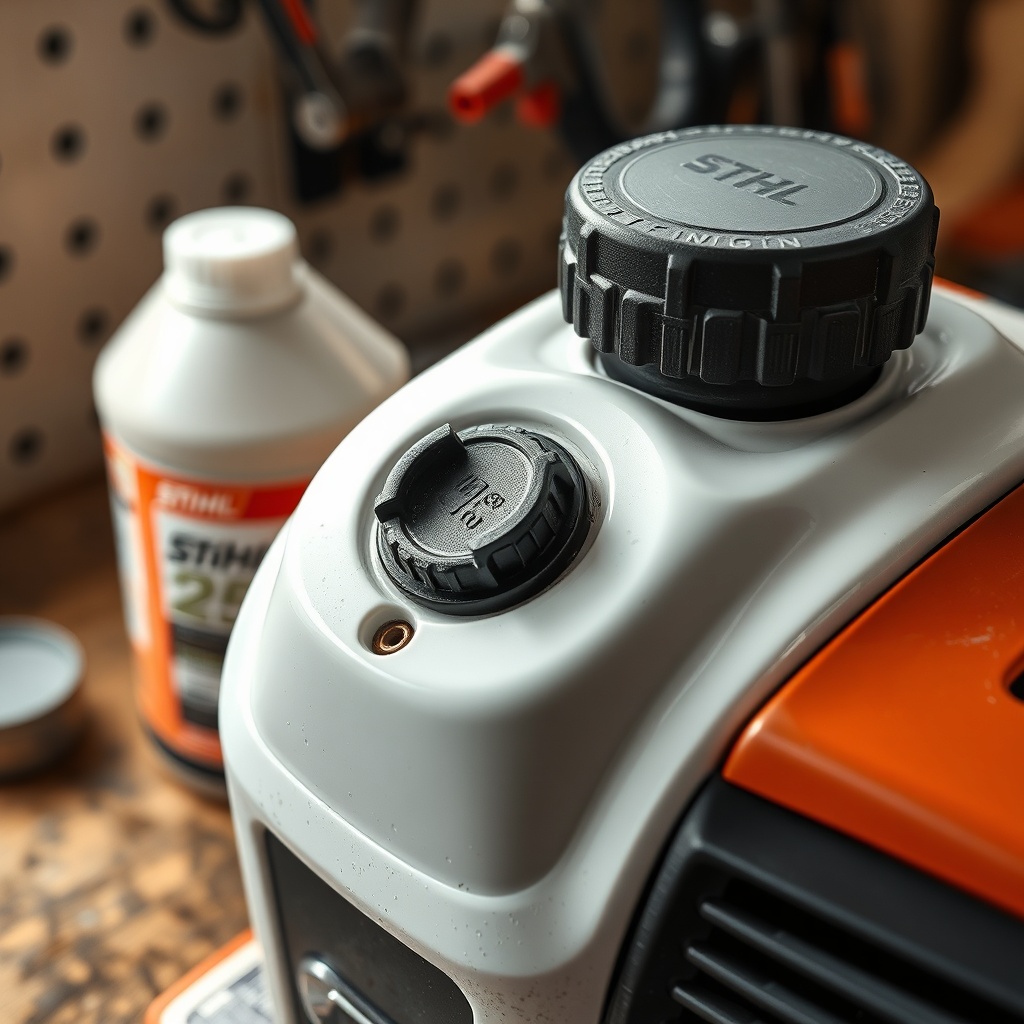
When parts wear out—and they will—pricing differences become real. Let’s examine the most commonly replaced non-tool components for both saws. The Stihl MS 251 uses a proprietary air filter system (foam + pre-filter housing) that costs about $18.99 for a genuine OEM replacement, while the Husqvarna 450’s air filter is $12.99. Spare chains (same gauge .325″ pitch for both) are comparable at $14-20 each. The sharpest difference is in the crankshaft bearings and seals: a full crankshaft kit for the MS 251 runs about $55, versus $78 for the Husqvarna 450—mostly because the 450’s larger bearings are sourced differently. For ignition modules (coils), both sit around $45-50. However, the Stihl’s clutch assembly (a common wear area for tree removal) is $34.99 complete, while the Husqvarna’s is $42.99. This means Stihl MS 251 owners often save $10-15 on major repair parts after the warranty period. Pair this with careful maintenance using our Stihl MS 251 Stump Grinding Tips for Small Stumps article to prolong parts life.
How Often Do You Need to Service Each Saw (and What’s the Cost)?
Service intervals are where many owners realize the Stihl MS 251 can be cheaper over years of use. Stihl recommends air filter cleaning every 5 hours of use, and a full service (spark plug, fuel filter, and bar inspection) every 25 hours. Husqvarna’s schedule is similar but adds a more involved cylinder head cleaning every 100 hours. A dealer or DIY service kit for the MS 251—including a spark plug ($5.99), fuel filter ($3.99), and air filter ($18.99)—runs about $28.97 total. For the Husqvarna 450, a comparable kit totals $32.97. Over a decade of light commercial use (500 hours), the Stihl’s lower-frequency parts replacement amounts to roughly $289 vs Husqvarna’s $329 in service parts, a $40 saving. Labor costs (if you pay a dealer) are identical for most tunes, around $75-95 per hour in the US. The Stihl MS 251 also has a reputation for quicker spark plug access due to the tool-less side panel—saving 10 minutes each change. For serious tree removal tasks, those minutes—and dollars—add up.
What Does Resale Value Look Like for Each Saw After 3 Years?
Resale value is a hidden cost of ownership. A well-maintained, 3-year-old Stihl MS 251 typically fetches 55-60% of its original price on the used market (due to strong brand loyalty and parts availability), while a Husqvarna 450 of similar age brings 45-50%. For the MS 251’s $429 purchase price, that’s a resale value of $236-258; the Husqvarna’s $380 gives $171-190. That $65-68 difference erased the initial price gap plus some. Why? Stihl saws, especially the MS 251, retain value because they’re easy to repair and have a huge aftermarket. Husqvarna 450s often sell cheaper because their top-handle design appeals more to arborists than casual buyers, and the model’s plastic fuel tank can develop hairline cracks after a few years in the sun—a known issue. If you plan to upgrade saws in 3-5 years, the Stihl MS 251 is the better investment for tree removal resale. Check our Stihl MS 251: Must-Have Safety Gear for Beginners article to learn how proper storage boosts resale.
Which Model Has Lower Accident and Repair Costs Over 5 Years?
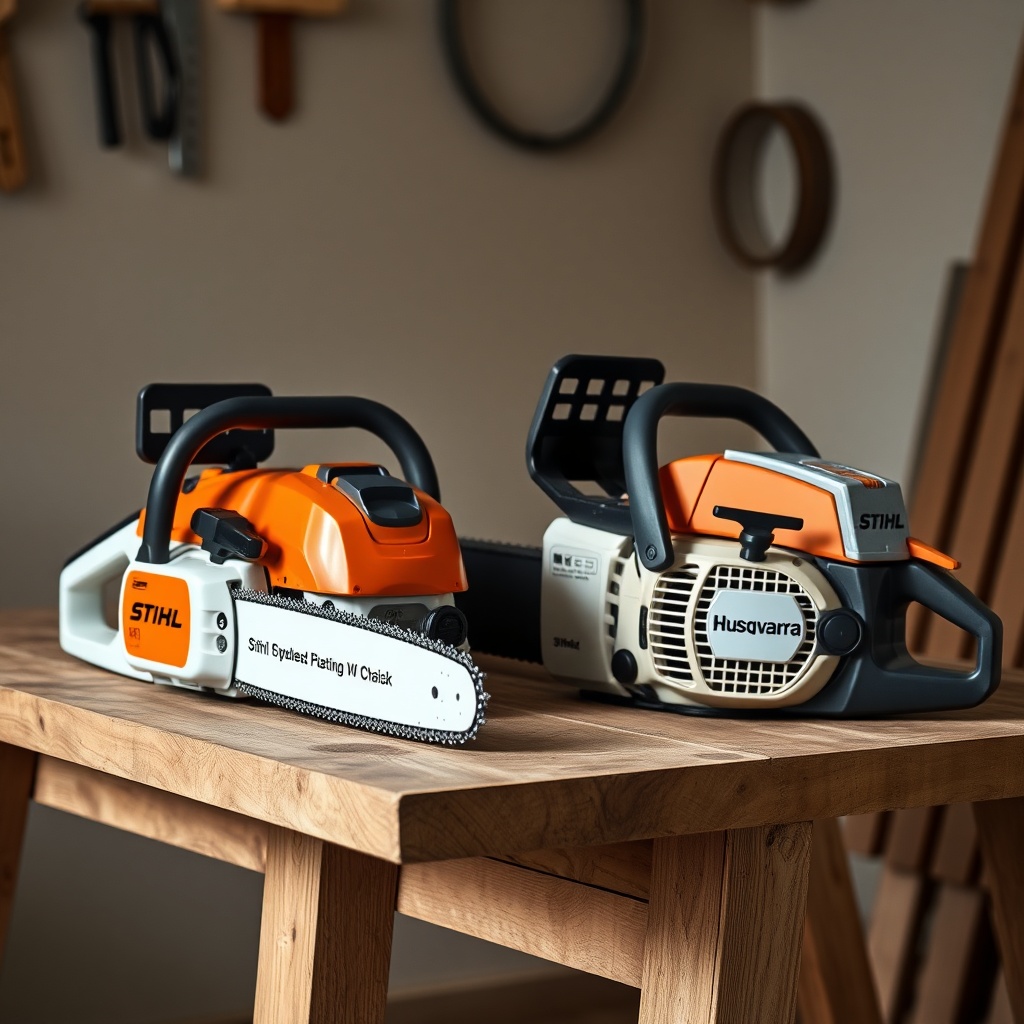
Accidents—drop damage, kickback, or over-revving—can turn a $400 saw into a $200 repair bill quickly. The Stihl MS 251 features a magnesium crankcase that’s more durable against impact than the Husqvarna 450’s polymer-aluminum hybrid case. Replacement cases for the MS 251 are about $79, while the Husqvarna 450’s top-case (which often cracks near the handle mounts) costs $98. Additionally, the MS 251’s chain brake lever is $24.99 to replace, vs $32.99 for the Husqvarna. The softer polymer handle on the Husqvarna 450 tends to fatigue and break after repeated heavy use in cold weather (sub-freezing temps stiffen the plastic), while the Stihl’s rubberized handle holds up better. For a homeowner who drops a saw once or twice over 5 years, the Stihl MS 251 saves about $15-30 per incident. Preventive care—like using our guide for Stihl MS 251 Stump Grinding Tips for Small Stumps—also reduces the risk of underwatering (fuel starvation) damage.
What Owners Say
Real-world feedback from arborists and tree removal enthusiasts highlights cost-of-ownership patterns. One owner in the Pacific Northwest notes: “After three years of cutting firewood and felling small oaks, my MS 251’s fuel filter is still original—I just clean the air filter every few tanks. My buddy’s Husqvarna 450 needed a new carburetor at 18 months.” Another owner in Texas emphasizes winter issues: “The Husqvarna 450 starts harder in freezing temps; I needed a heated shop to use it after snowstorms. The MS 251 starts first or second pull down to 20°F.” A third owner says: “Parts for my Stihl are cheaper at the local dealer, and I can fix it myself. The Husky required dealer-only parts for the oil pump. Cost difference was $35 for a simple repair.” Many owners agree that the Stihl MS 251’s lower maintenance burden and higher resale make it the cheaper saw to own long-term, despite the higher initial price.
Frequently Asked Questions
1. Is the Stihl MS 251 cheaper to own than the Husqvarna 450 over 5 years?
Yes, typically by $50-80 after 5 years of light use, mainly due to better fuel economy, cheaper parts, and higher resale value. The initial $50 price difference disappears after year three.
2. How much does a dealer service cost for the Stihl MS 251?
A standard tune-up (spark plug, air filter, fuel filter, and chain sharpening) at a Stihl dealer runs $75-90 USD in 2025. Husqvarna dealer service is similar, though parts can be $5-10 pricier per visit.
3. Does the Stihl MS 251 use less bar oil than the Husqvarna 450?
Both use comparable bar oil volumes—around 0.15 liters per hour—depending on bar length and cutting intensity. The difference is negligible in cost; about $15 per 50 hours for either saw in normal use.
4. Which saw has a longer lifespan: Stihl MS 251 or Husqvarna 450?
The Stihl MS 251 tends to last 1,000-1,200 hours before needing major internal repairs (crank bearings), while the Husqvarna 450 often hits 800-1,000 hours before similar work. Stihl’s magnesium case also survives drops better.
5. Can I repair a Stihl MS 251 myself to save money?
Absolutely. The MS 251 is DIY-friendly—replace spark plugs, air filters, and carburetors at home. Parts cost about 20% less than dealer-installed. For oil pump or clutch repairs, the saw’s easy-access side panel helps. See our Stihl MS 251 Stump Grinding Tips for Small Stumps for more DIY maintenance advice.
6. What’s the most expensive repair I might face on either saw?
A cracked crankcase (rare but possible). For the Stihl MS 251, replacement costs about $79 plus labor ($200-300 total). For the Husqvarna 450, it’s $98 for the top case and often $50-100 more in labor due to extra disassembly. Stick to proper handling and the Stihl MS 251: Must-Have Safety Gear for Beginners guide to avoid such failures.