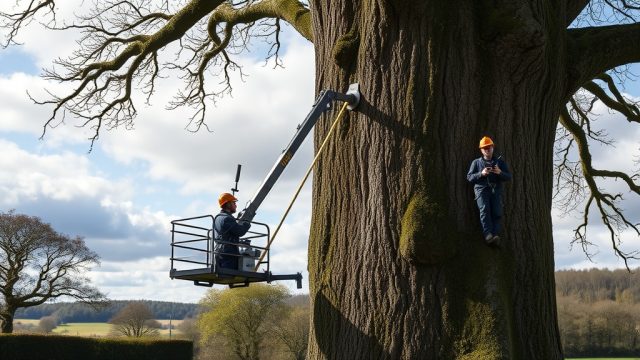
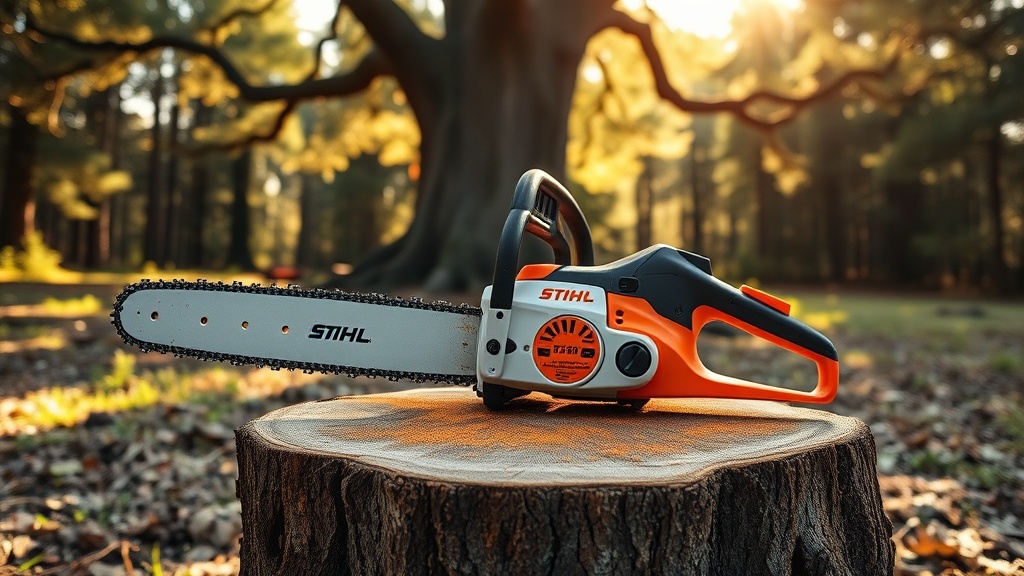
Felling a 30-Foot Oak with Stihl MS 251: A Practical Guide
Felling a 30-foot oak with a Stihl MS 251 is a job that sits right at the upper edge of this saw’s capabilities. While the MS 251 (with its 45.4cc engine and typically a 16- to 18-inch bar) is not a pro-class feller, it can handle this diameter if you approach the work methodically and respect the limitations of the saw. This guide covers the specific techniques, safety steps, and practical expectations for bringing down a moderately sized oak with this popular homeowner-class chainsaw.
Can the Stihl MS 251 Effectively Fell a 30-Foot Oak?
Yes, the Stihl MS 251 can fell a 30-foot oak, provided the trunk diameter at breast height (DBH) does not exceed roughly 20 inches. The saw’s 45.4cc engine produces about 3.5 hp, which is adequate for making a clean face cut and back cut in green oak, but you’ll need to keep the chain razor-sharp. A 30-foot oak with a 16-inch trunk is a realistic one-cut job; a 22-inch trunk will require a plunge cut or bore cut technique because the bar length (16 or 18 inches) won’t reach through the entire width. If the oak is much larger than 22 inches DBH, you should step up to a saw with a 60cc-class engine, such as the Stihl MS 261 or MS 362.
For smaller stumps—those under 12 inches in diameter—the MS 251 is also quite capable of grinding them out, as we cover in Stihl MS 251 Stump Grinding Tips for Small Stumps.
How to Choose the Right Bar Length for Your 30-Foot Oak
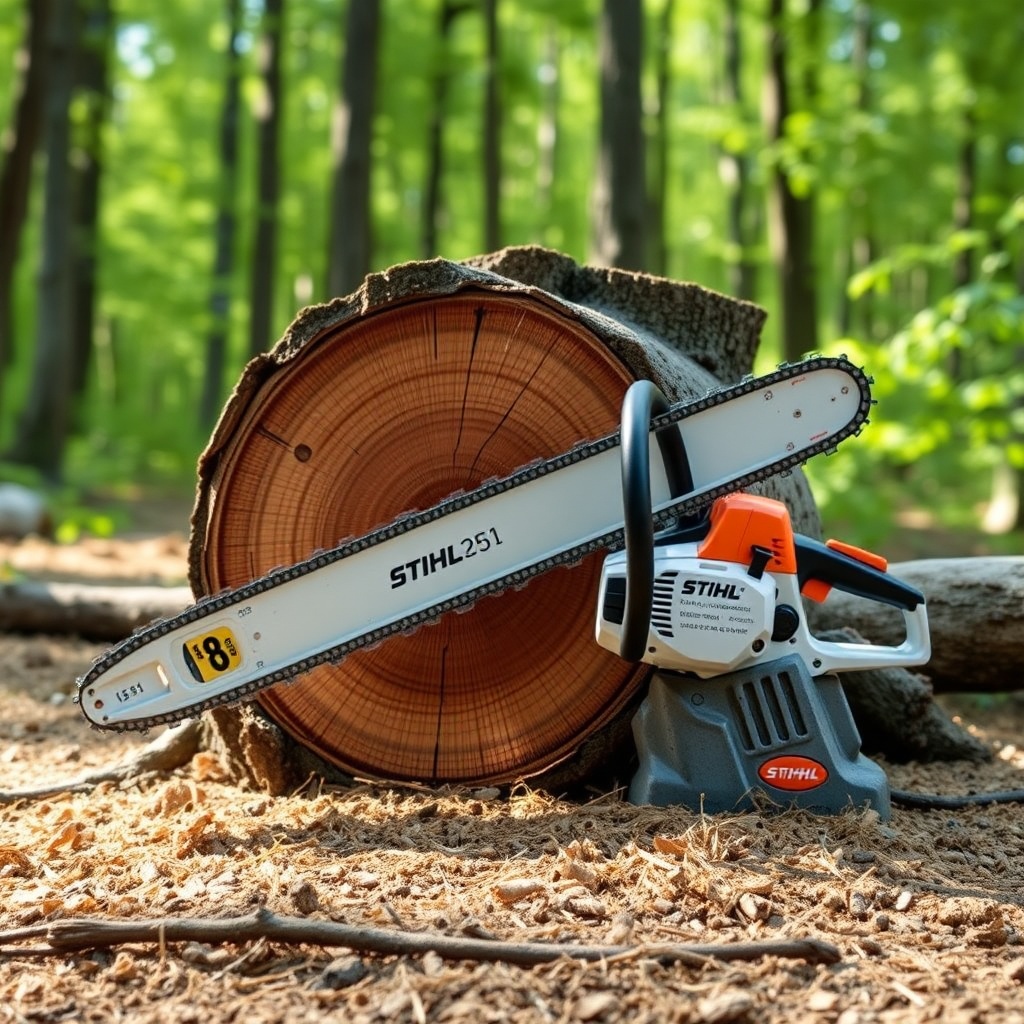
Bar length is critical when felling a 30-foot oak. The standard bar for the MS 251 is 16 inches, but Stihl also offers an 18-inch bar as an option. Here’s how to decide:
- 16-inch bar: Ideal for oaks 14–18 inches DBH. It’s lighter, more maneuverable, and puts less strain on the clutch and oiler. You can cut through a 16-inch trunk in one pass without needing to bore cut.
- 18-inch bar: Better for oaks 18–22 inches DBH. It provides the extra reach needed to complete a back cut without pinching the bar. However, the longer bar does reduce chain speed slightly and increases the risk of kickback if you’re not experienced.
For a 30-foot oak that’s likely grown in an open area (giving it a wider trunk), the 18-inch bar is the safer bet. If you’re concerned about the saw’s power-to-weight ratio, remember that the MS 251 weighs about 12.1 lbs (without bar and chain), and an extra 2 inches of bar adds roughly 0.4 lbs. It’s a trade-off that favors reach over speed.
When comparing the MS 251 to its main competitor, the Husqvarna 450, you’ll find the Husky often ships with a 16-inch bar as standard, but can also take an 18-inch. For a deeper cost comparison, see Stihl MS 251 vs Husqvarna 450: Cost of Ownership.
What Is the Correct Felling Technique for a 30-Foot Oak with the MS 251?
Felling a 30-foot oak with the MS 251 requires a precise three-step cut sequence. Here’s the recommended technique for a tree with a 16–18 inch trunk:
Step 1: The Face Cut
Make a directional notch (face cut) on the side of the tree facing the intended fall direction. For a 30-foot tree, you want a notch that’s about one-quarter of the trunk’s diameter deep. With a 16-inch trunk, that’s a 4-inch deep notch. Use the MS 251’s chain brake engaged while starting, then make the top cut at a 60-degree angle downward, followed by the bottom cut horizontal (or slightly angled up to meet the top cut). Remove the wedge-shaped piece.
Step 2: The Back Cut
The back cut is made on the opposite side, about 2 inches above the bottom of the face cut. With the MS 251, you’ll likely need to use a bore cut (plunge cut) if the bar is shorter than the trunk’s diameter. To bore cut: plunge the bar tip into the center of the trunk, cut toward the hinge, then pull out and finish the cut from the outside. This technique prevents the tree from kicking back or pinching the bar. Leave a hinge of about 1 inch of uncut wood to guide the tree’s fall.
Step 3: Escape Path
Before starting the back cut, clear your escape path at a 45-degree angle away from the fall direction. Once the tree starts to move, shut off the saw (engage chain brake), and move quickly to safety. A 30-foot oak falling weighs roughly 3,000 to 5,000 pounds, so get at least 20 feet away.
For a more detailed breakdown of the bore cut technique with the MS 251, refer to our Stihl MS 251 Bore Cut Technique for Large Trunks article.
What Safety Gear Is Essential When Felling a 30-Foot Oak?
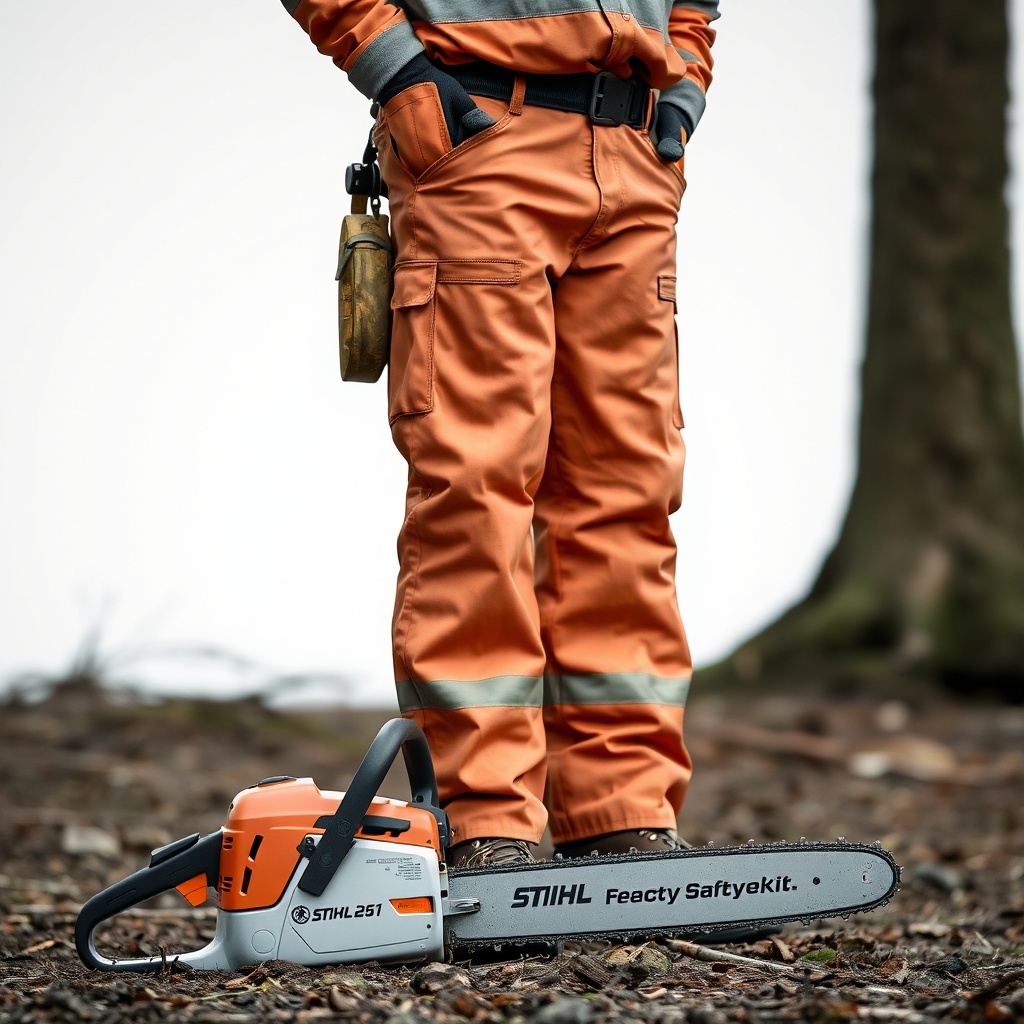
Felling a 30-foot oak is not a casual backyard task. The MS 251 is powerful enough to cause serious injury, and oak is dense and heavy. Here’s your mandatory gear list:
- Chainsaw chaps with multiple layers of cut-resistant material (Kevlar or ballistic nylon) to protect your legs from kickback strikes.
- Helmet with face shield – a falling limb from a 30-foot tree can travel at over 40 mph. A hard hat rated to ANSI Z89.1 is non-negotiable.
- Hearing protection – the MS 251 runs at about 105 dB at the operator’s ear. Use earmuffs rated 25 dB NRR or better.
- Steel-toe boots with good ankle support and aggressive tread for uneven ground.
- Gloves with padded palms to reduce vibration fatigue. The MS 251 has an anti-vibration system, but oak is hard wood and can wear on your hands over a few hours.
A common mistake is wearing loose-fitting clothing that can catch on brush or the saw itself. Tuck in your shirt, and avoid hoodies with drawstrings. For a full checklist, see Stihl MS 251: Must-Have Safety Gear for Beginners.
How to Avoid a Bar Pinch When Felling a 30-Foot Oak
Bar pinch is the most common mishap with the MS 251 when felling oak. Oak wood is dense and heavy, and as the tree begins to lean, the back of the cut can compress onto the bar. Here are practical ways to avoid this:
- Use a wedge: Drive a plastic or wood felling wedge into the back cut as you go. This transfers the weight off the bar and prevents pinching. Never use a metal wedge—it will damage the chain if you accidentally hit it.
- Keep the chain sharp: A dull chain digs in less efficiently, causing you to push harder and increasing the risk of a bind. Sharpen the chain after every 2–3 tanks of fuel when cutting oak.
- Bore cut for wide trunks: As mentioned, bore cutting allows you to cut the center portion first, then finish the outer edges. This avoids the full weight of the tree landing on the bar.
- Cut from the side: If pinching begins, stop the saw (engage chain brake), pull out the bar, and approach from the opposite side to finish the cut.
If you do get the bar stuck, don’t pull on the saw—you risk throwing your back or causing the saw to kick. Instead, use a wedge to spread the cut, or call for help. A stuck MS 251 in a 30-foot oak is a frustrating situation, but it’s manageable with patience.
Severity Table: Common MS 251 Felling Issues and Their Urgency
| Issue | Urgency Level |
|---|---|
| Chain dull after 1-2 cuts in oak | Low – usually not urgent; sharpen at next fuel stop |
| Bar tip pinched in back cut | Moderate – needs attention soon; wedge out before continuing |
| Fuel mix incorrect (too much oil) causing smoke | Low – stop, drain, refill with correct 50:1 ratio |
| Chain brake fails to engage | High – needs attention immediately; inspect brake band and replace if worn |
| Vibration suddenly increases during cut | Moderate – check bar nuts and chain tension; could indicate loose sprocket |
| Tree starts to split upward (barber chair) | Critical – stop cutting, move to escape path immediately; indicates hinge failure |
What Do Owners Say About Felling Oak with the Stihl MS 251?
Owners of the Stihl MS 251 who have felled 30-foot oaks generally report a capable, if underpowered, experience. One owner mentioned that the saw handled a 20-inch oak trunk without issue, but noted that “you have to let the saw do the work—forcing it only leads to pinching.” Another owner pointed out that the saw’s chain oiler works fine for a 16-inch bar, but you need to check oil flow regularly when cutting dense oak, as demand is higher. A third owner reported that after felling three large oaks in a season, the piston showed minor scoring from running too lean—he recommended increasing the high-speed screw slightly (1/4 turn) if you’re cutting oak at high altitude or in heat. Overall, the sentiment is that the MS 251 is a solid choice for occasional oak felling, but it’s not a daily-use saw for this work. If you plan to fell multiple large oaks per year, you’d be better off with a professional-grade saw like the Stihl MS 362.
For a detailed breakdown of maintenance intervals and fuel system care, see Stihl MS 251 Annual Maintenance Schedule.
Frequently Asked Questions
Can the Stihl MS 251 cut through a 30-foot oak in one pass?
Yes, if the trunk diameter is 16 inches or less, a single pass with a sharp chain is possible. For larger diameters up to 22 inches, you’ll need to use a bore cut technique to complete the back cut without pinching the bar. For trunks over 22 inches, the MS 251 is underpowered and not recommended.
What fuel mix should I use for felling oak with the MS 251?
Stihl recommends a 50:1 ratio of gasoline to high-quality two-stroke oil (Stihl HP Ultra or equivalent). Use 89 octane fuel with no more than 10% ethanol. Oak is dense and demands sustained high RPMs, so the fuel mix must be precise to avoid engine overheating or carbon buildup.
How long should a chain last when cutting oak with the MS 251?
A properly sharpened chain on an MS 251 will typically last 5–10 hours of cutting in green oak before needing replacement. The actual life depends on chain tension, sharpening technique, and whether you hit dirt or rocks. Expect to replace the chain after about 3–4 full-sized felling jobs on 30-foot oaks.
Do I need a felling wedge when using the MS 251 on oak?
Yes, absolutely. A plastic felling wedge is strongly recommended for any oak over 14 inches DBH. The MS 251 does not have a built-in wedge holder, so carry one in a belt pouch. The wedge helps prevent bar pinching and also allows you to guide the tree’s fall if it’s leaning slightly off target.
Is the Stihl MS 251 powerful enough to buck (cut into firewood) a 30-foot oak after felling?
Yes, the MS 251 is well-suited for bucking the trunk and limbs into firewood lengths. The key is to keep the chain sharp and cut from the top down. For larger limbs, use a block or support to keep the wood off the ground and prevent the bar from pinching. A 30-foot oak will yield roughly 0.5 to 0.7 cords of firewood.
What is the biggest oak I can fell with a Stihl MS 251 safely?
As a rule of thumb, the MS 251 can safely fell oaks up to 20 inches DBH (diameter at breast height) with the 18-inch bar. Beyond that, the saw lacks the bar length and torque to make a proper back cut, and the risk of barber chair (unsafe splitting) increases. For larger oaks, either hire a professional or use a saw with at least a 20-inch bar and 60cc engine.