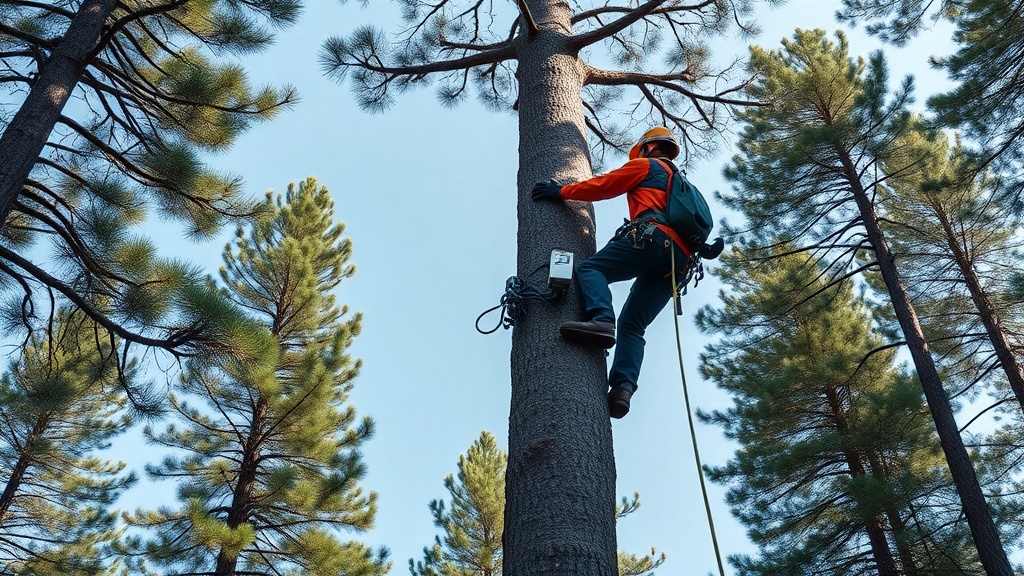
Hass Remote Tree Climbing System: Cost of Ownership for Professionals
Investing in the Hass Remote Tree Climbing System requires a clear understanding of its long-term costs, maintenance demands, and return on investment for arborists and tree care businesses. This guide provides a detailed breakdown of ownership expenses, from initial purchase to daily operation, helping professionals make informed financial decisions.
By evaluating the system’s durability, parts replacement, and operational efficiency, tree care specialists can determine whether this remote climbing tool justifies its price in real-world working conditions.
What is the full purchase price of the Hass Remote Tree Climbing System?
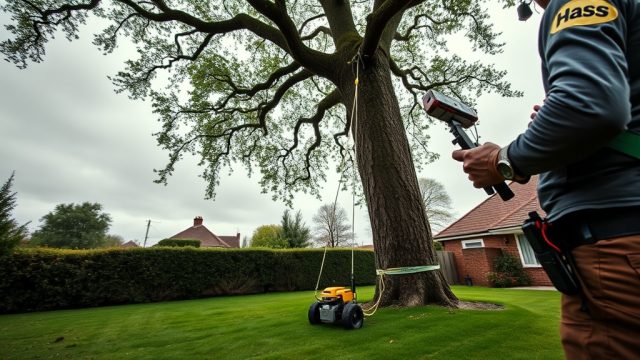
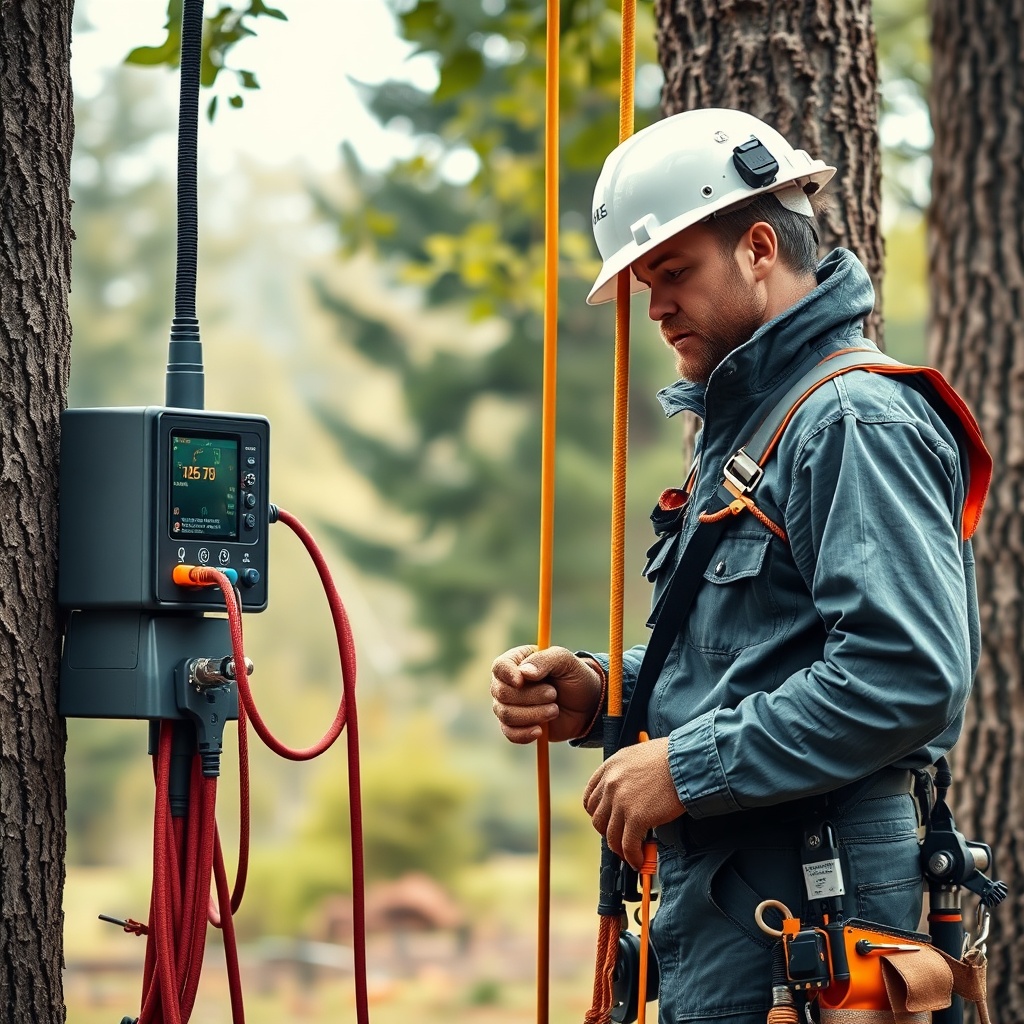
The Hass Remote Tree Climbing System is a premium piece of equipment designed for professionals who require remote ascent capability in hazardous or challenging tree removal scenarios. The complete kit, including the control unit, remote winch, climbing rope, harness connectors, and battery pack, typically retails between £4,500 and £6,200 in the United Kingdom. For arborists in the United States, prices range from $5,800 to $7,900 USD, while in Australia, professionals should expect to pay between AUD 8,200 and AUD 10,500.
These figures represent the base system without optional accessories such as extended ropes, additional battery packs, or terrain-specific attachments. Many suppliers offer discounts for bulk purchases or trade-in programmes for existing equipment.
For a deeper analysis of whether this investment yields returns, read our Hass Remote Tree Climbing System Cost Analysis: Worth the Investment?
How much do replacement parts and maintenance cost annually?
Like any mechanical system, the Hass Remote Tree Climbing System requires regular maintenance to ensure safety and reliability. The most common replacement parts include control unit batteries (£120–£180 each, every 12–18 months), climbing ropes (£200–£350 per set, annually), and pulley sheaves (£80–£120 each, as needed). Annual servicing by an authorised workshop typically costs between £250 and £400, covering lubrication, firmware updates, and inspection of electrical connections.
Professionals who perform daily heavy-duty removals should budget approximately £800–£1,200 per year for parts and labour. Those using the system sparingly—say two to three times per month—can expect lower costs of £400–£700 annually. It is worth noting that warranty coverage (usually two years) excludes consumable items like ropes and batteries.
How does operational efficiency reduce overall cost of ownership?
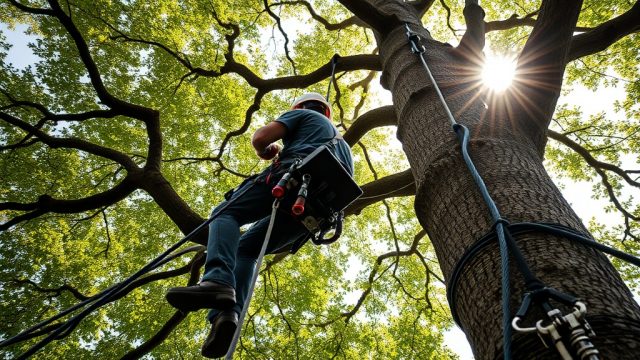
The Hass Remote Tree Climbing System dramatically reduces the time spent ascending and descending trees compared to traditional manual climbing methods. In standard pine removal tasks, professionals report saving 30–45 minutes per tree using the remote system, translating to significant labour cost reductions over a year. For a busy tree care company performing 20 removals per week, this could mean savings of £15,000–£20,000 annually in labour hours.
Additionally, the system minimises physical strain on the operator, potentially reducing injury-related downtime and associated insurance claims. These efficiencies offset the initial purchase cost within one to two years for many full-time professional users. For specific techniques in pine removal, refer to Hass Remote Tree Climbing System for Pine Removal: Techniques and Best Practices.
What are the total cost of ownership comparisons across use cases?
Understanding how the system performs financially across different job types is crucial for budgeting. The table below summarises estimated annual ownership costs based on usage intensity and tree removal specialties.
| Use Case | Annual Usage (trees) | Initial System Cost | Annual Parts & Maintenance | Labour Savings per Year | Net Annual Cost (after savings) |
|---|---|---|---|---|---|
| Emergency storm clearance | 50–80 trees | £5,200 | £1,100 | £8,400 | -£7,300 (net saving) |
| Residential pine removal | 30–50 trees | £5,200 | £800 | £5,600 | -£4,800 (net saving) |
| Commercial felling (hazard trees) | 80–120 trees | £5,200 | £1,200 | £12,000 | -£10,800 (net saving) |
| Steep terrain operations | 20–40 trees | £5,200 | £950 | £4,800 | -£3,850 (net saving) |
These figures illustrate that high-volume professional use yields the greatest financial benefit, with labour savings often exceeding annual costs from the first year onward. Lower-volume users may take 18–24 months to break even, but long-term benefits remain positive.
What hidden costs should professionals prepare for?
Beyond the obvious purchase and maintenance expenses, several additional costs can affect the total cost of ownership. Training for new users is often overlooked—professional certification courses for remote climbing systems range from £450 to £850 per person. If your team has multiple operators, these fees multiply.
Insurance premiums may also rise when introducing powered climbing equipment. Some providers add a 5–10% surcharge for remote ascenders, amounting to £200–£500 per year for a typical policy. Furthermore, storage requirements for the system (dry, secure location) may necessitate upgrading existing vehicle racks or workshop space, costing £100–£300 one-time.
Transport to remote job sites can incur additional fuel and vehicle wear. While minimal per trip, these costs accumulate—approximately £50–£80 per month for regional operators. For emergency services after storms, see Hass Remote Tree Climbing System: Emergency Tree Services After a Storm.
What Owners Say
Experienced arborists who have integrated the Hass Remote Tree Climbing System into their workflow consistently highlight two key points: the reduction in physical fatigue and the increase in daily job capacity. One owner from Kent, with a six-person crew, reported recovering his full investment within 14 months by eliminating the need for a second climber on tall pine removals. Another operator in the Scottish Highlands noted that the system’s ability to handle steep, slippery bark has cut his average removal time by 40%, directly boosting his hourly billing rate.
Several owners emphasise that the system’s robust build quality minimises unexpected breakdowns, though they recommend purchasing an extra battery to avoid downtime on multi-day contracts. Common feedback also mentions the importance of regular rope inspections, as the system’s dynamic load can accelerate wear compared to manual climbing lines. For advanced felling techniques from professionals, visit Hass Remote Tree Climbing System: Advanced Felling Techniques for Professionals.
How does long-term resale value affect cost of ownership?
The Hass Remote Tree Climbing System holds its value well compared to many other specialised tree care tools. After three to four years of regular use, used systems in good condition typically sell for 50–60% of the original purchase price on specialist forums and equipment marketplaces. This strong resale performance is due to the system’s modular design, allowing buyers to replace worn components without overhauling the entire kit.
For professionals who upgrade equipment every three years, the net cost of ownership after resale can be as low as £2,200–£2,800 over the ownership period. Those who keep the system for five to seven years will still recoup 30–40% of the initial investment, assuming proper maintenance. It is advisable to retain all service records and original packaging to maximise resale value. After removal, many professionals also use the system for stump work—see Hass Remote Tree Climbing System: Stump Grinding After Tree Removal.
Frequently Asked Questions
How many years should I expect the Hass Remote Tree Climbing System to last?
With proper maintenance and routine part replacement, the main control unit and winch mechanism can operate reliably for 8–10 years. Ropes and batteries are consumables that require replacement every 12–18 months for professional use.
Does the system require special insurance coverage?
Many standard arborist insurance policies cover powered climbing equipment, but some providers may require a specific rider or additional premium of £200–£500 per year. Always disclose the equipment to your insurer before use.
Can I use the system with existing climbing ropes and harnesses?
The Hass Remote Tree Climbing System is designed to work with most industry-standard 12–13mm climbing ropes and certified harnesses that have a load rating of at least 22 kN. However, using manufacturer-recommended ropes ensures optimal performance and warranty validity.
What is the typical return on investment (ROI) timeline?
For full-time professionals performing 30–40 removals per month, ROI is typically achieved within 12–18 months. Lower-volume users may take up to 24 months, but labour savings ensure long-term profitability.
Are there financing options available for the system?
Many equipment suppliers and specialist finance companies offer leasing or payment plans for the Hass Remote Tree Climbing System. Typical options include 0% interest over 12 months or 4.9% APR over 36 months, depending on credit approval.
How much does a full system replacement cost in case of major damage?
A replacement control unit and winch assembly costs approximately £2,800–£3,500. Most professionals opt for comprehensive insurance coverage rather than self-funding a full replacement, with annual premiums of £250–£400 for equipment cover.