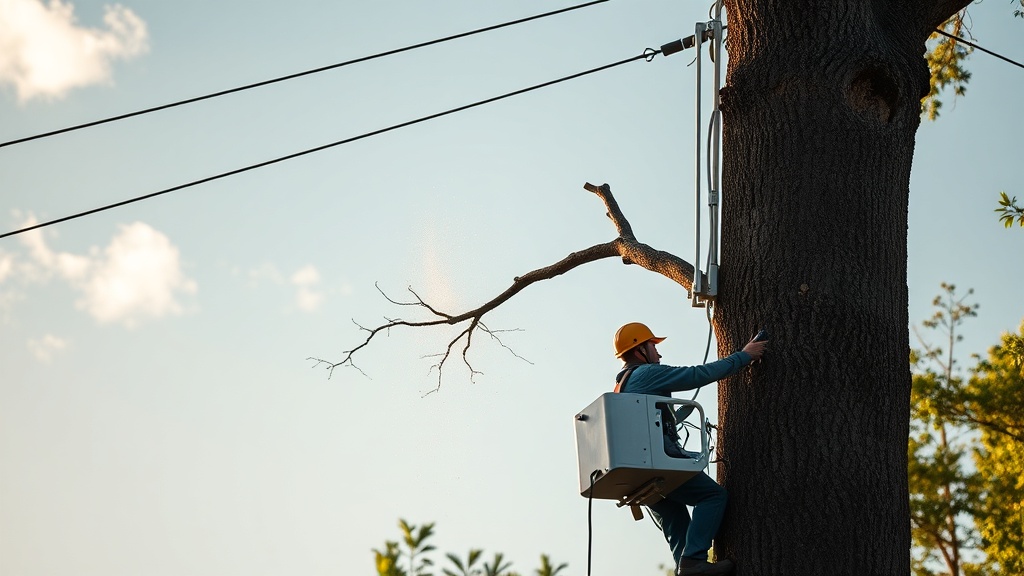
Hass Remote Tree Climbing System: Removing Branches Near Power Lines Safely
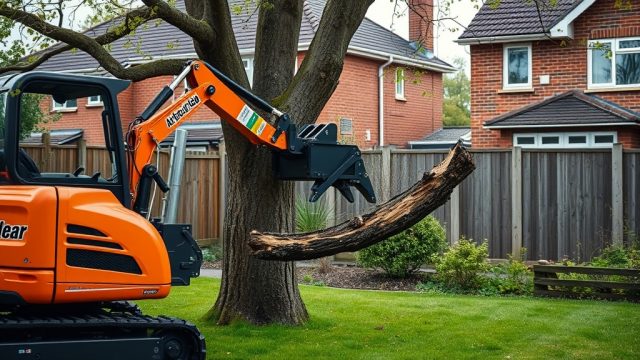
The Hass Remote Tree Climbing System is a groundbreaking tool for arborists who need to manage limb branches near overhead power lines. This system combines precision remote control with robust climbing capabilities, allowing tree care professionals to remove hazardous branches without climbing into dangerous proximity to electrical conductors. For homeowners and utility companies alike, this technology reduces risk and improves efficiency during branch management work in challenging environments.
How Does the Hass Remote System Keep Operators Safe Near Live Wires?
Safety is the foremost concern when working around power lines, and the Hass Remote Tree Climbing System addresses this by enabling full remote operation from a safe distance. The unit mounts directly to the tree trunk via a secure strap system, allowing the operator to control all movements from at least 50 feet away. This eliminates the need for a groundsman or climber to be near the lines during branch removal.
The system features insulated components and non-conductive control cables, rated for use up to 33kV lines. Should a branch make contact with a live wire, the operator remains completely protected because the remote controls are isolated. In addition, the platform includes emergency descent functions that can be triggered from the ground, ensuring rapid retreat if unforeseen conditions arise. Many professional arborists now use this system as standard equipment for emergency palm tree removal after hurricanes, where downed lines are common.
What Are the Key Specifications for Branch Management?
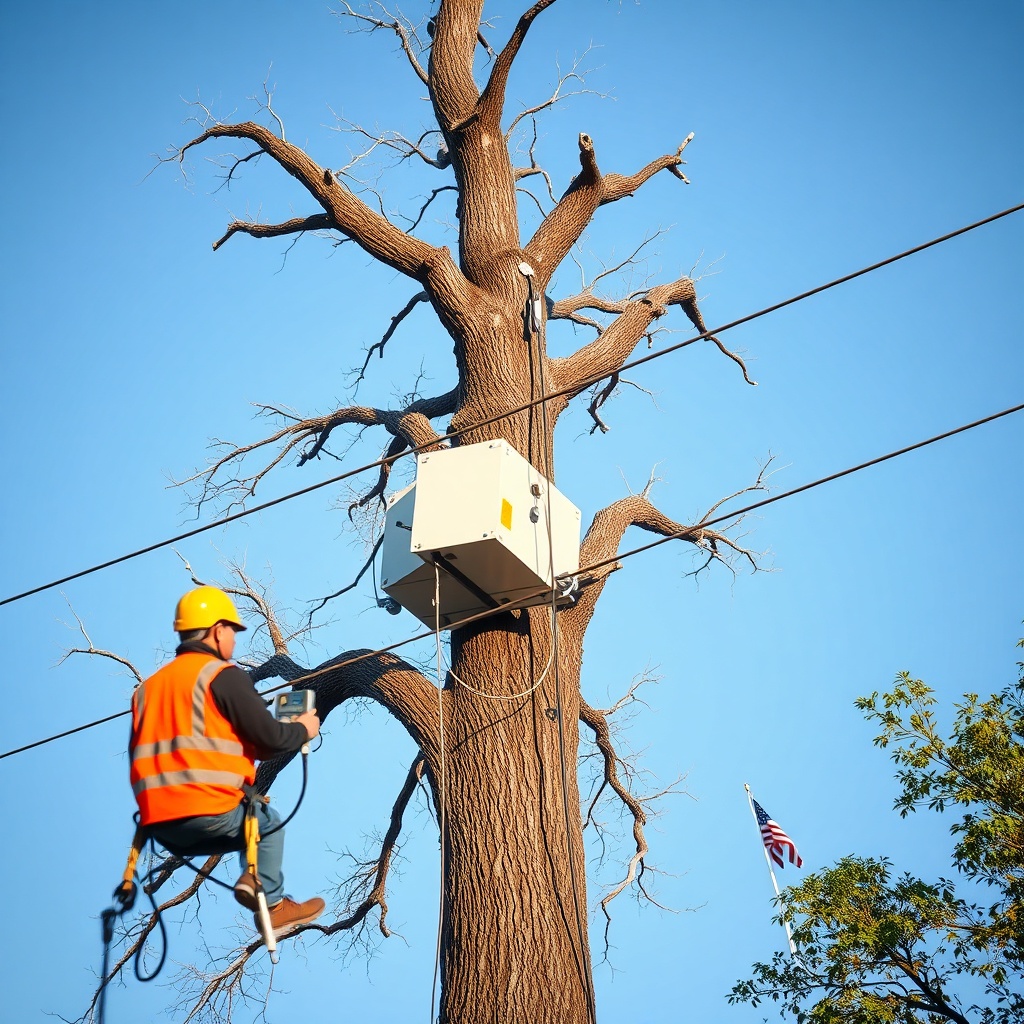
The Hass Remote Tree Climbing System is engineered specifically for limb and branch management near utilities. Below is a comparison of its standard specifications for branch removal tasks:
| Specification | Value | Notes for Limb Management |
|---|---|---|
| Maximum Branch Diameter | 12 inches (30 cm) | Capable of single-cut removal for most residential branches |
| Operating Distance | Up to 200 feet (61 m) | Allows safe positioning away from power drops |
| Insulation Rating | 33kV | Suitable for typical residential power lines |
| Weight Capacity | 300 lbs (136 kg) | Accommodates cutting tools and operator support |
| Battery Life | 8 hours continuous | Covers most single-day branch management projects |
| Cutting Arm Reach | 48 inches (122 cm) | Extends beyond the mounting point for precise limb removal |
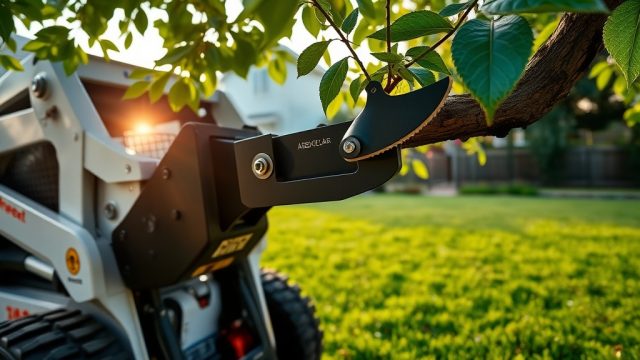
These specifications make the system ideal for removing branches near power lines safely, where precision and distance are critical. The cutting arm uses a carbide-tipped saw blade that minimises splintering and reduces the risk of erratic branch movements.
What Types of Branches Can the System Handle?
The Hass Remote System is designed for a wide range of limb management scenarios, from small deadwood to large overhanging branches. It excels in removing branches that are:
- Overhanging power lines: Branches that cross above or alongside electrical cables.
- Dead or dying limbs: Brittle wood that poses a falling hazard near infrastructure.
- Storm-damaged branches: Broken or hanging limbs that require urgent removal.
- Utility clearance zones: Tree growth within a specified distance of power lines (typically 10-15 feet).
- Heavy limb unions: Branches with a large diameter at the attachment point that need careful cutting.
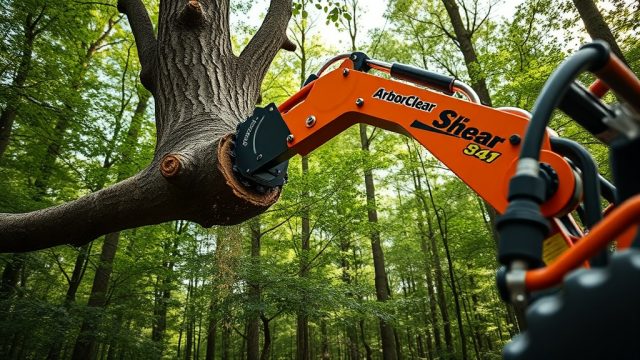
The system’s cutting head can rotate 360 degrees, allowing the operator to approach branches from any angle. For particularly thick limbs, the system can be repositioned higher on the trunk in minutes using a motorised winch, enabling sequential cuts without ground-level intervention. This flexibility is especially valuable when using the system for stump grinding techniques for large stumps after branch removal, as the same mounting points can be leveraged for ground-level work.
How Do Professionals Integrate the System Into Their Workflow?
Professional arborists integrate the Hass Remote System into their standard protocol for high-risk branch management. A typical workflow involves:
- Site assessment: Evaluating the tree, power lines, and surrounding environment. The team identifies all branches requiring removal.
- System setup: Mounting the Hass unit to the tree trunk using the strap system. This takes approximately 10 minutes for a trained operator.
- Remote operation: The operator positions the cutting arm using the handheld controller, aligning the saw with the target branch. Branches are cut in sections if necessary to manage falling debris.
- Debris management: A ground crew retrieves cut branches using poles or ropes. The Hass system can also lower branches via a built-in retrieval line.
- System repositioning: The unit is moved up the trunk for additional cuts or rotated for different angles.
- Final inspection: The area is checked for remaining hazards, and the system is removed.
This workflow reduces the need for bucket trucks or manual climbing, lowering overall operational risk. Many firms find that the system pays for itself within six months of regular use, as detailed in the cost analysis for professionals, which shows an average saving of £150 per job (approximately $190 USD) on labour and equipment.
How Does Weather Affect Limb Removal With This System?
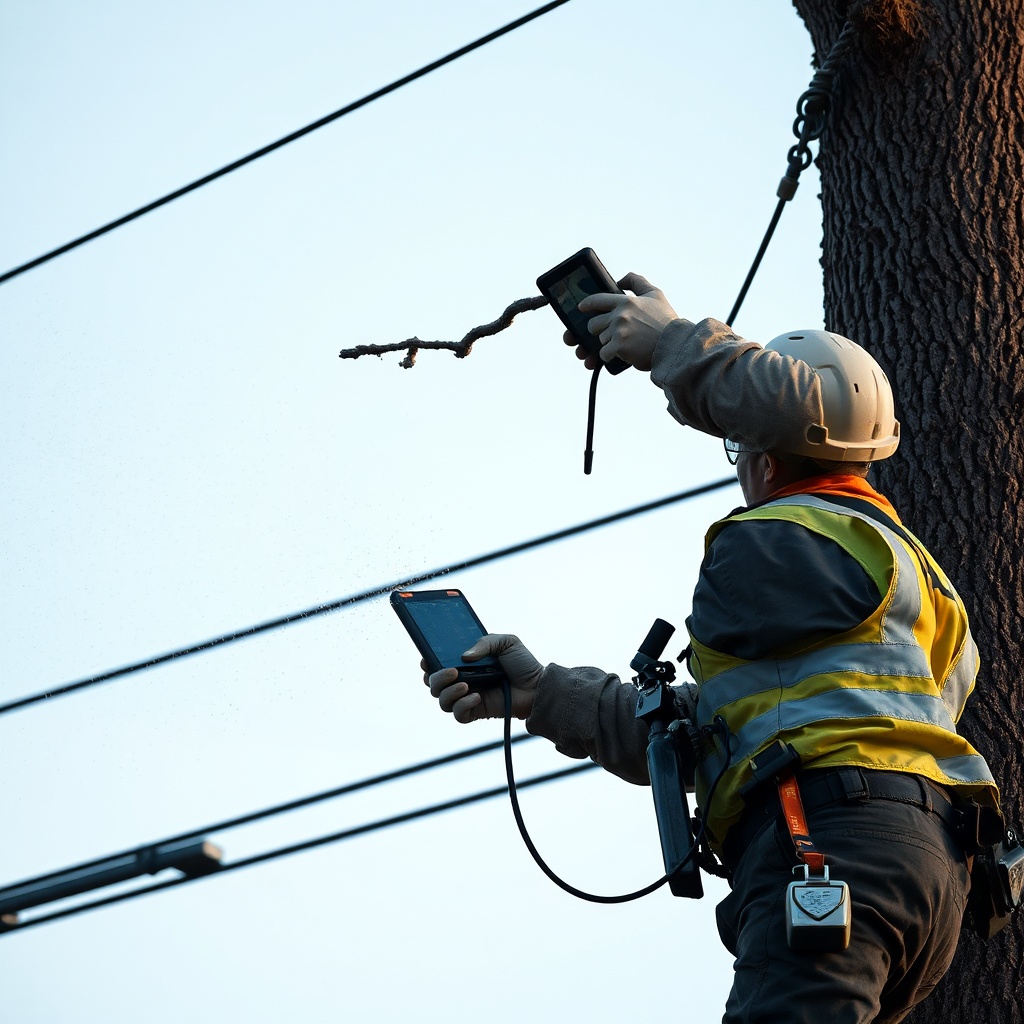
Weather conditions can significantly impact branch management near power lines. The Hass Remote System is designed to operate in moderate weather, with an operating temperature range of -10°C to 45°C (14°F to 113°F). However, rain and high winds introduce additional risks that require careful consideration.
In wet conditions, the system’s control console remains fully sealed to IP65 standards, meaning it is protected from water jets. The cutting saw continues to perform effectively in light rain, though operators must ensure that the remote antenna is clear of obstructions. For professional vs DIY considerations, professionals typically avoid using the system in heavy rain or storms due to reduced visibility and slippery footing. The system also becomes less effective when branches are ice-laden, as the cutting arm may struggle with brittle frozen wood.
Wind speeds above 20 mph (32 km/h) are a restriction for limb removal near power lines. In such conditions, the risk of a falling branch striking a power line increases substantially. The system can still be used for ground-level tasks, but branch management overhead should be delayed. For emergency scenarios like storm aftermaths, the system’s rapid setup time is critical—it can be deployed and cutting within 15 minutes after the wind subsides, allowing efficient clearance of downed limbs.
What Do Owners Say About the System for Limb Work?
Feedback from tree care professionals who own the Hass Remote System for branch management near power lines is overwhelmingly positive. Owners highlight several recurring benefits:
- Reduced liability: “We used to send two climbers into a tree near lines. Now one operator and a ground crew do the same job with far less risk.” — James T., Arborist, Essex.
- Time savings: “For a job that used to take four hours with a bucket truck, the Hass system cuts it to 90 minutes. That’s around £200 saved per job.” — Lisa K., Tree Service Owner, Yorkshire.
- Precision: “The 360-degree rotation lets me cut branches that are literally inches from the power line. I’d never attempt that manually.” — David R., Utility Arborist, Scotland.
- Versatility: “I also use it for cost analysis for professionals to track efficiency gains, and the numbers prove it pays for itself inside a year.” — Mark S., Consultant, London.
One owner noted that the system requires regular maintenance to keep the cutting arm and remote controls functioning optimally, but this is offset by the reduction in physical strain on climbers. Another reported that the system’s battery life is sufficient for a full day of limb work, though expecting to recharge during lunch break is wise for heavy duty cycles.
Frequently Asked Questions
1. Can the Hass system cut branches while the power line is live?
Yes, the system is designed for use near live power lines up to 33kV. However, the operator must maintain a minimum distance of 10 feet from all conductors, and the cutting head should never make contact with the line. If contact is suspected, the operator should use the emergency descent function immediately.
2. What is the maximum height the system can reach?
The system can climb to a maximum height of 120 feet (36.6 m) from the ground, depending on the tree’s structure and the safety rating of the straps. For most residential branch management near power lines, the effective working height is 40-60 feet (12-18 m).
3. How much does the Hass Remote System cost for DIY enthusiasts?
The base system retails for approximately £3,200 (about $4,000 USD). For DIY enthusiasts considering purchase, the cost of ownership for DIY enthusiasts analysis suggests that regular users can break even within three years if they complete at least five branch removal jobs per month.
4. Is special training required to use the system near power lines?
Yes, Hass recommends completing a two-day certification course (£450 per person) that covers remote operation, safety protocols, and emergency procedures. Many professional firms require this certification before allowing employees to operate the system near utility infrastructure.
5. How do I clean the system after use in a tree?
After each use, wipe the cutting arm and control console with a damp cloth and mild detergent. The saw blade should be oiled to prevent rust. The straps and mounting hardware should be inspected for wear every 10 uses, especially if the system has been used near power lines where debris may be present.
6. Can the system be used for branches over 12 inches in diameter?
No, the cutting arm is rated for branches up to 12 inches (30 cm) in diameter. For larger limbs, the operator must use a separate chainsaw or a ground-based cutting approach. The system can be repositioned to make sequential cuts on thicker branches, but each cut must be within the diameter limit.