What Is the Hass Remote Tree Climbing System and Who Is It For?
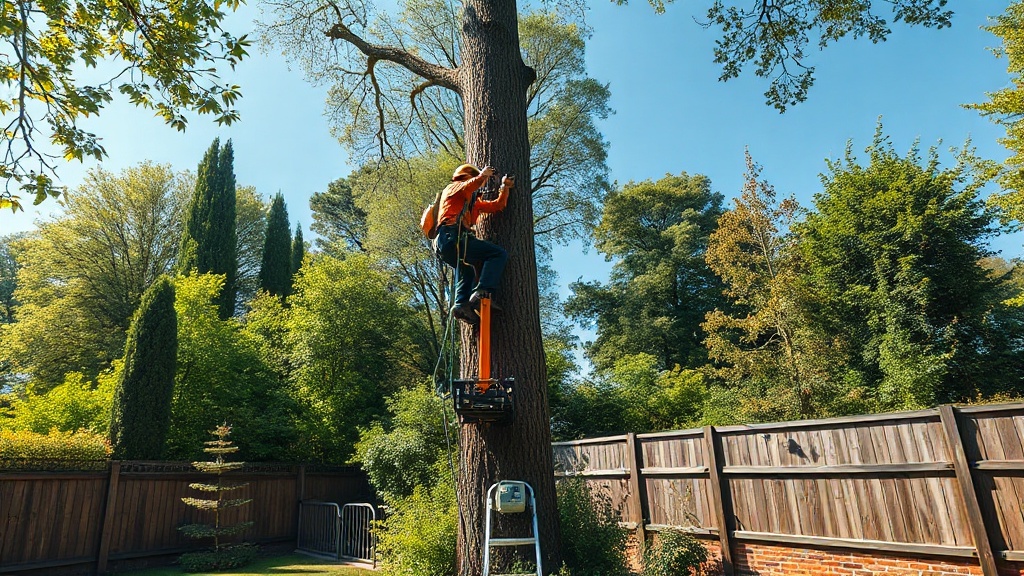
The Hass Remote Tree Climbing System is a motorised, remote-controlled climbing device designed to assist arborists and tree care enthusiasts in ascending trees safely and efficiently. Unlike traditional rope-and-harness methods, which demand considerable physical effort and expertise, this system uses a battery-powered winch and pulley mechanism that the user operates from the ground. It is marketed both to professional tree surgeons and to DIY homeowners who manage their own property maintenance. However, the decision between professional adoption and DIY use comes with distinct trade-offs in cost, safety, training, and long-term value. This article examines those differences to help you determine which path suits your needs and budget, drawing on real-world experiences and a detailed cost analysis.
How Does the Hass System Compare to Traditional Climbing Methods in Terms of Safety?
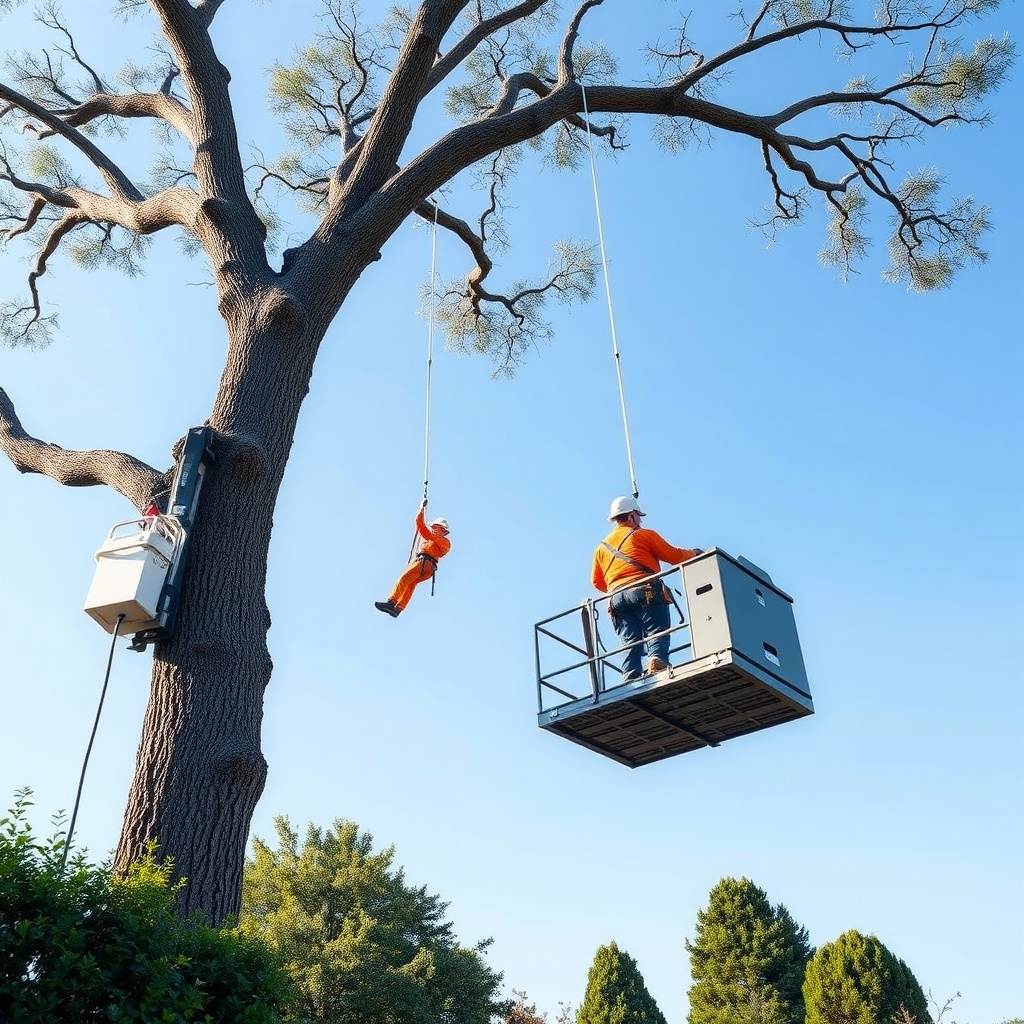
Safety is the foremost consideration when evaluating any tree climbing system. The Hass Remote Tree Climbing System reduces several risks inherent in manual climbing, such as falls from height, muscle fatigue, and repetitive strain injuries. For professionals, this can mean fewer lost workdays and reduced insurance claims. DIY users, however, must be aware that the system does not eliminate all dangers.
Key Safety Differences Between Professional and DIY Use
- Training and certification: Professional arborists typically complete rigorous training (e.g., through ISA or similar bodies) and are familiar with fall protection standards. DIY users often lack this background, increasing the risk of improper setup.
- Equipment redundancy: Pros use a backup climbing line and secondary attachment points. The Hass system’s manual often recommends this, but DIYers may skip it for cost or convenience.
- Load ratings and limits: The system has a maximum working load of 160 kg (353 lb). Professionals weigh gear and tools accurately; DIY users might exceed limits unknowingly.
- Emergency descent: The system includes a manual descent brake, but practice is required to use it under stress. Professionals drill emergency procedures; DIY users rarely do.
For a deeper look at safe limb handling, see our guide on Hass Remote Tree Climbing System: Efficient Limb Management Tips for Arborists.
What Is the Actual Cost of the Hass System for Professionals vs DIY Users?
Upfront pricing is a primary differentiator. The Hass Remote Tree Climbing System retails for £2,450 (including VAT) for the base kit (motor, controller, 30m rope, and harness). Professional users often purchase additional accessories, while DIY enthusiasts may try to economise—sometimes with safety compromises.
| Item | Professional Package | DIY Package |
|---|---|---|
| Base system | £2,450 | £2,450 |
| Extra battery (2h runtime) | £320 | £0 (single battery) |
| Replacement ropes (annual) | £180 | £90 (every 2 years) |
| Spare pulleys and wear parts | £150 | £0 |
| Professional training course | £650 | £0 (self-taught via videos) |
| Safety gear (helmet, visor, gloves) | £200 | £100 (budget options) |
| Annual maintenance/service | £250 | £0 (user-performed) |
| Total first year cost | £4,200 | £2,640 |
| Annual recurring cost (years 2–5) | £880 | £230 |
Professionals recover this investment through daily use—typical jobs cost £150–£300 each, so break-even occurs after about 20–30 jobs. DIY users, who may climb only a few times per year, face a payback period of 5–10 years. For a more detailed financial breakdown, read Hass Remote Tree Climbing System Cost Analysis: Is It Worth the Investment for Professionals?.
Can a DIY User Learn to Operate the Hass System Safely Without Professional Training?
Yes, it is possible, but challenging. The manufacturer includes a detailed manual and online video tutorials covering basic operation: attaching the device to the tree, setting up the ground anchor, and controlling ascent/descent with the remote. Many DIY users report success after 2–3 hours of practice on low branches. However, professional training addresses critical gaps:
- Tree assessment: Identifying decay, weak limbs, or hidden hazards (e.g., bee nests, loose bark) is not intuitive.
- Knot tying: The system requires specific knots (e.g., clove hitch, figure-eight follow-through) that must be flawless under load.
- Rescue techniques: If the operator becomes incapacitated at height, ground personnel need rescue skills. DIY users rarely practise this.
- Wind and weather: Professionals know safe operating limits; DIY users may climb in unsafe conditions.
For emergency scenarios such as palm removal after storms, professional training is indispensable—see Hass Remote Tree Climbing System: Emergency Palm Tree Removal After Hurricane.
What Are the Limbs Management and Technique Differences Between Pros and DIY Users?
Efficient limb management is where professional arborists truly shine. The Hass system lifts the climber, but branch removal still requires precision cutting, directional felling, and drop-zone control. Professionals use advanced techniques like the “three-step cut” and rope-assisted lowering to prevent damage to property or injury to bystanders. DIY users often adopt simpler methods, such as cutting limbs freehand and letting them fall, which can be dangerous.
Recommended Techniques by User Type
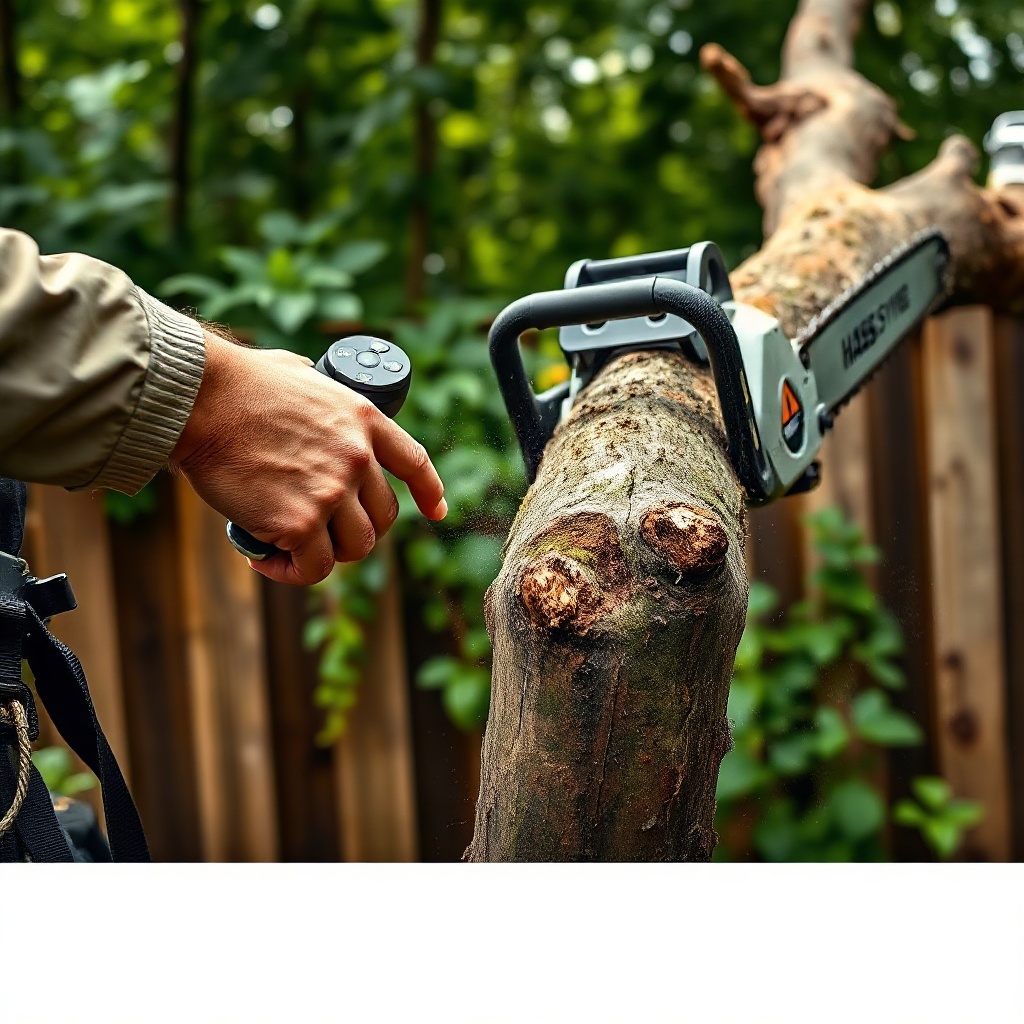
- Professional: Use a chainsaw with a lightweight bar (e.g., 12–14 inches), attach a lowering line to the limb before cutting, and use a zigzag pulley system for controlled descent. The Hass system’s remote allows hands-free climbing, freeing both hands for cutting and rigging.
- DIY: Start with small-diameter limbs (under 10 cm) and use a handsaw or pruning shear. Never cut directly above yourself; always maintain a clear escape path.
For detailed steps, refer to Hass Remote Tree Climbing System: Efficient Limb Management Tips for Arborists and Hass Remote Tree Climbing System: Removing Branches Near Power Lines Safely.
What Do Owners Say About the Hass System for Professional vs DIY Use?
Feedback from owners across the United Kingdom and beyond reveals clear patterns. Many professional arborists praise the system for reducing physical strain, especially on long days. One certified tree surgeon from Hampshire stated on a UK arborist forum, “The Hass remote climber saved my back. I used to dread ascents over 15 metres—now I just press a button.” Another pro noted that the system paid for itself within three months of full-time work.
DIY owners often express satisfaction for occasional use but caution about the learning curve. A homeowner from Kent shared, “I use it maybe four times a year to prune my walnut tree. It’s brilliant, but I spent the first month just getting comfortable with the controls and securing the anchor correctly.” Several DIYers emphasised the importance of having a helper on the ground for safety, something that can be overlooked.
Negative comments from both groups focus on battery life (claimed 2 hours, real-world 80–90 minutes) and the weight of the system (the motor unit is 12.5 kg). Professionals carry spare batteries; DIY users find this an additional expense. For more owner perspectives and cost comparisons, read Hass Remote Tree Climbing System Cost Analysis: Is It Worth the Investment for Professionals? and Hass Remote Tree Climbing System Cost of Ownership for DIY Enthusiasts.
Frequently Asked Questions
1. Is the Hass Remote Tree Climbing System legal for DIY use in the UK?
Yes, it is legal for private use on your own land. However, if you are performing tree work for hire (e.g., charging neighbours), you may need public liability insurance and proper training certification. Always check local council regulations regarding protected trees (Tree Preservation Orders).
2. How long does it take to set up the Hass system?
Professionals typically set up in 15–20 minutes, including tree assessment and anchor installation. DIY users unfamiliar with the process may take 30–45 minutes initially. With practice, setup time decreases to about 20 minutes.
3. Can the Hass system be used on all tree species?
It works on most hardwood and softwood trees with a trunk diameter of at least 25 cm (10 inches). Avoid trees with heavy bark shedding, significant rot, or extreme lean. Always test the anchor point by putting your weight on it before climbing.
4. What is the maximum height the Hass system can reach?
The standard system includes 30 metres (98 feet) of rope, allowing climbs up to about 25 metres (82 feet) practical height. Extensions are available for taller trees, but professional guidance is recommended for heights above 20 metres.
5. How do I maintain the Hass system for long-term use?
Clean the motor unit after each use, lubricate pulleys monthly, and inspect ropes for fraying or cuts. Store in a dry, cool place. Professional users should service the motor annually (cost: £250) for warranty compliance. DIY users can perform basic maintenance themselves, but motor repairs may void warranty if tampered with.
6. What is the warranty and support for the Hass system?
Standard warranty is 2 years for the motor and controller, 1 year for ropes and harness. Professional users often purchase extended warranties (3–5 years) for £400–£600. DIY users rely on manufacturer support via email or phone; response times average 48 hours.