Introduction: Is the Stihl MS 251 a Money-Saving Investment or a False Economy?
For many homeowners in the UK with small to medium-sized properties, the decision to buy a chainsaw like the Stihl MS 251 versus hiring a professional arborist often comes down to a simple question of cost. While the upfront price of a quality saw can be significant, the long-term economics of DIY tree work must account for more than just the purchase price. This article provides a detailed cost-per-cut analysis of the Stihl MS 251, comparing its total cost of ownership against the average rates for professional tree removal services in the United Kingdom.
We will examine the hidden expenses of DIY chainsaw ownership, including fuel, maintenance, safety gear, and disposal fees, against the all-inclusive rates charged by certified tree surgeons. By the end of this analysis, you will have a clear, data-driven answer to whether the Stihl MS 251 is truly more economical than hiring a pro for your specific property needs. For those who decide to proceed with DIY, ensure you are properly equipped by reviewing our guide on Stihl MS 251 Safety Gear for Chainsaw Operators.
What Is the True Purchase Price and Running Cost of a Stihl MS 251?
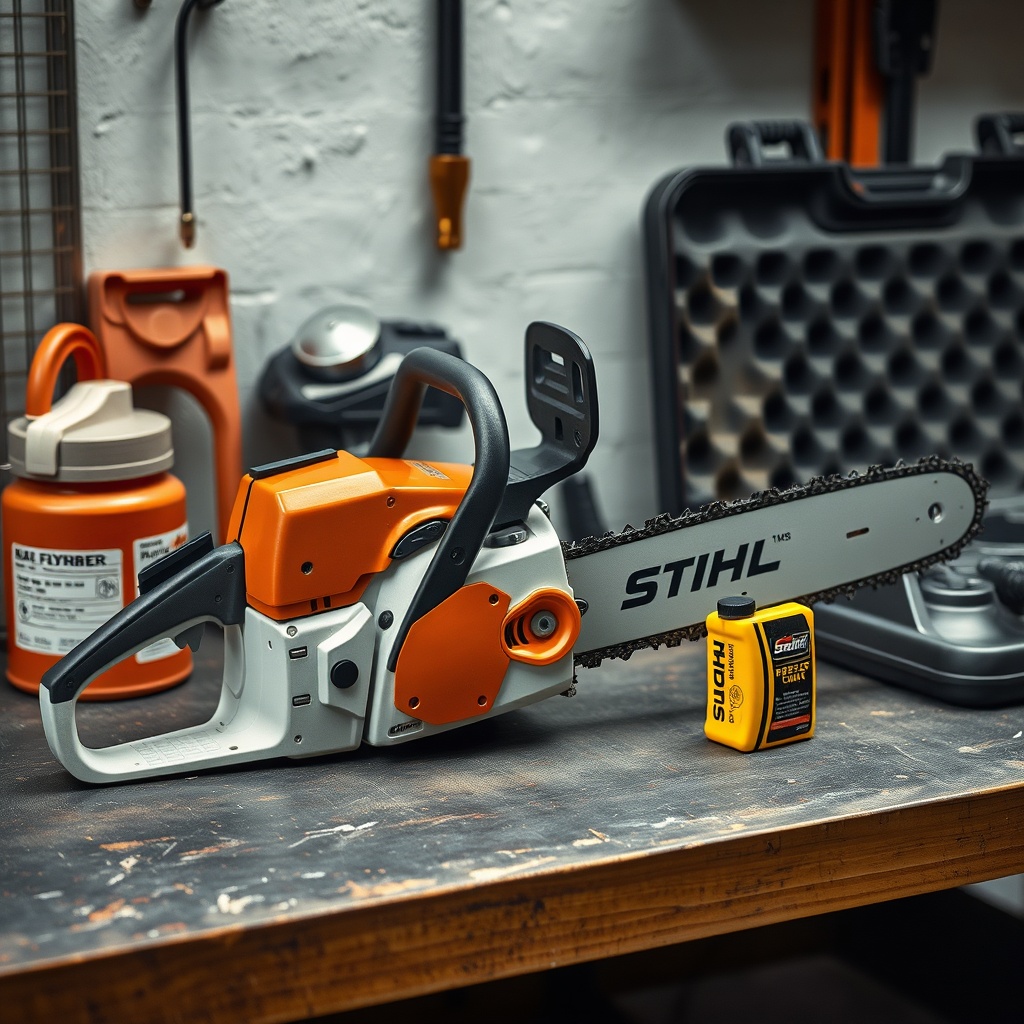
The initial outlay for a Stihl MS 251 in the UK typically ranges from £350 to £450 for the standard model, with the C-BE (Comfort, Easy2Start, electronic ignition) version costing slightly more, around £400 to £500. However, the purchase price is only the beginning. To run the saw effectively for a single season of moderate use (e.g., felling a few small trees and cutting firewood), you must account for additional consumables and upkeep. The table below breaks down the estimated first-year cost of ownership for a DIY operator in the UK.
| Cost Category | Estimated Annual Cost (GBP) | Notes |
|---|---|---|
| Stihl MS 251 (C-BE) | £450 | One-time purchase; amortisable over 5+ years |
| Mixed Fuel (1:50 ratio) | £60–£80 | 10 litres of premium fuel + high-quality 2-stroke oil |
| Bar & Chain Oil | £30–£50 | 5 litres of biodegradable oil per season |
| Chains (replacement + sharpening) | £40–£60 | 2-3 chains per year; sharpening file set |
| Air Filter & Spark Plug | £15–£25 | Seasonal replacement |
| Safety Gear (helmet, chaps, gloves, boots) | £150–£250 | One-time purchase for adequate PPE |
| Waste Disposal (green waste / skip hire) | £50–£150 | Varies by volume; skip hire for larger jobs |
| Total First-Year Cost | £795–£1,065 | Excluding labour and time value |
After the first year, if the saw is well-maintained, the ongoing annual cost drops significantly to roughly £150–£200 for fuel, oil, chains, and basic parts. However, major repairs such as a carburettor rebuild or piston replacement can add £100–£300 in later years. This makes the long-term average cost of DIY ownership approximately £250–£350 per year over a 5-year period, not including the time spent on the work itself.
How Much Does a Professional Arborist Charge Per Cut in the UK?
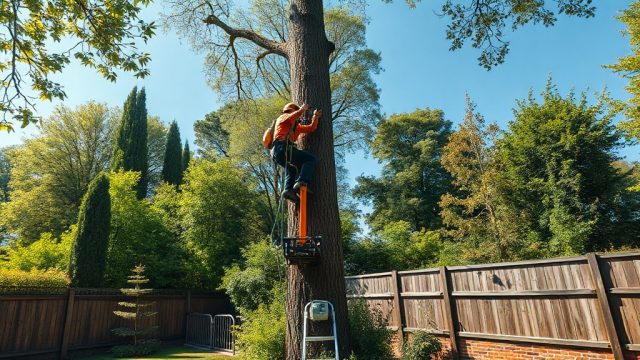
Hiring a professional for small-property tree work in the UK involves several pricing models. Most certified tree surgeons charge by the hour, by the job, or sometimes by the diameter of the tree. Typical rates for a qualified, insured professional in England, Scotland, or Wales range from £40 to £80 per hour for a single chainsaw operator, with a two-person crew costing £80 to £150 per hour. For a typical small property job—say, felling a 15-metre tall ash tree affected by dieback and removing the debris—a professional quote might fall between £400 and £1,200.
The key advantage of hiring a pro is that the quoted price usually includes all labour, equipment (including a larger saw for the trunk and a chipper for branches), safety gear, public liability insurance, and waste removal. You do not need to purchase any equipment, worry about disposal, or risk injury. For a single large job, this can be more economical than buying a Stihl MS 251 and all the associated gear, especially if you do not plan to use the saw regularly. Read about Stihl MS 251 Post-Wildfire Tree Removal for specialised scenarios where professional help is strongly advised.
What Is the Cost Comparison for One Tree vs. Multiple Trees?
The economics of DIY versus professional hiring shift dramatically depending on the scale of work. For a single tree removal on a small property, hiring a professional is almost always cheaper than buying a Stihl MS 251 and all the necessary gear. However, if you have multiple trees to remove over several seasons, the DIY saw pays for itself. Let us examine a realistic scenario.
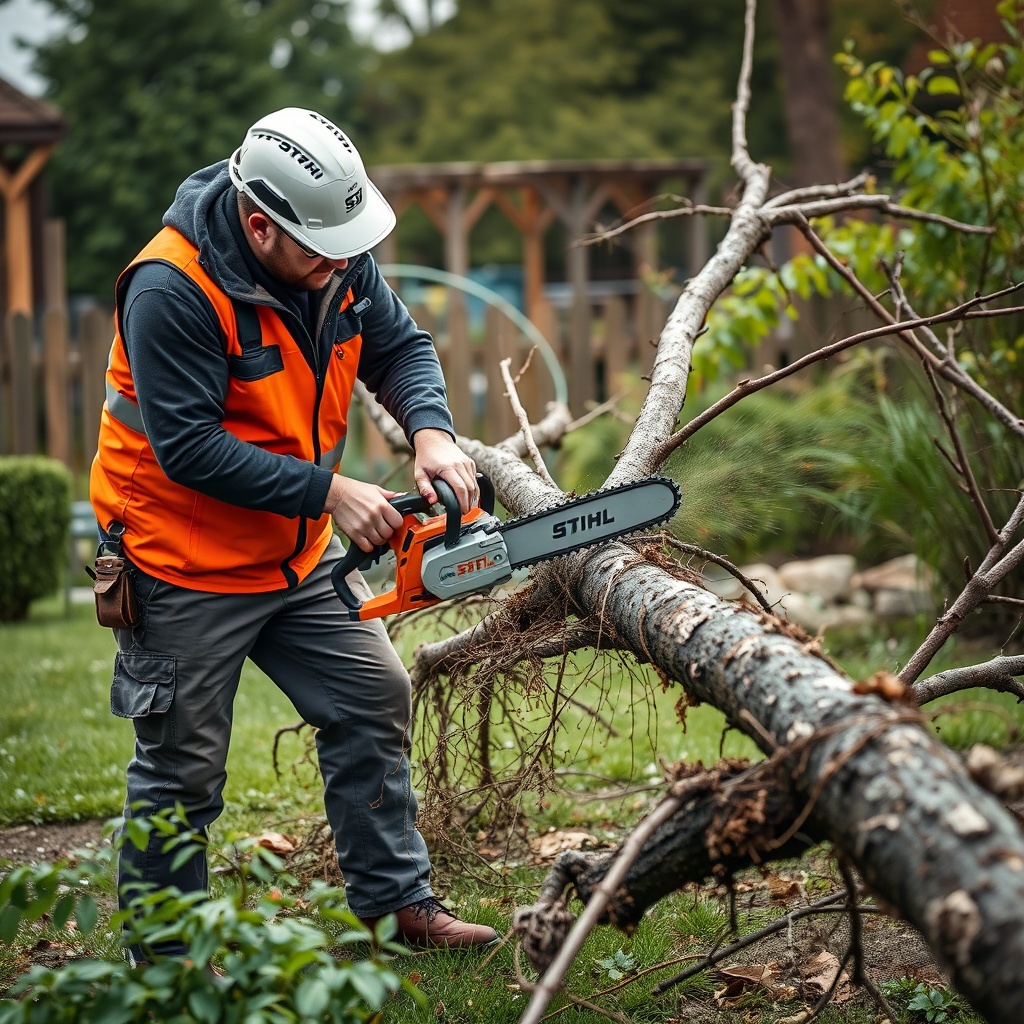
Consider a homeowner with a 0.25-acre plot in Surrey who needs to remove three mature hazel trees (diameter 30 cm each) and prune an oak. A professional quote for this work, including chipping and waste removal, might be £900. The DIY cost, assuming the owner already owns a Stihl MS 251 and minimal gear, is approximately £60 in fuel and oil, plus £40 in chains, plus £100 for a small skip for debris—totalling £200. The DIY saving is £700, but this must be offset against the initial purchase cost of the saw and safety gear. If the owner had to buy all equipment new for £1,000, the first job would actually cost £1,200 in DIY, which is more than hiring a pro. It is only from the second job onwards that the DIY option becomes cheaper.
- One Tree Only: Professional cost = £500. DIY cost (new saw + gear) = £1,200. Pro is cheaper by £700.
- Three Trees Over Two Years: Professional cost = £1,500. DIY cost (amortised saw over 2 years + consumables) = £600. DIY is cheaper by £900.
- Annual Pruning & Firewood Harvest: Professional cost = £800/year. DIY cost (after saw purchase) = £250/year. After 3 years, DIY saves £1,650.
For those with just a single job, hiring a pro is unequivocally more economical. For ongoing property maintenance, the Stihl MS 251 becomes a sound investment, especially when you factor in the convenience and speed of having your own tool ready at all times.
What Hidden Costs Does DIY Chainsaw Work Entail for Small Properties?
Beyond the obvious equipment and consumables, several hidden costs can tilt the balance back towards hiring a professional. Time is a significant factor—a professional crew can often complete a job in one day that might take a weekend for a DIYer. In the UK, homeowners often overlook the cost of their own labour. If you value your time at £20 per hour, a two-day DIY project (16 hours) should be valued at £320 on top of equipment costs.
Other hidden expenses include the cost of safety training. Improper chainsaw use leads to accidents; a single trip to A&E or lost work time far exceeds any savings. Compliance with UK regulations for waste disposal is another issue—you must hire a licensed skip or take green waste to a council tip, which may charge fees. Additionally, property damage risk (e.g., hitting a garden fence, shed, or underground services) can be costly. For these reasons, many small-property owners find that the peace of mind offered by a pro’s liability insurance is worth the premium. For storm damage cleanup, refer to our article on Stihl MS 251: Essential Safety Gear for Post-Storm Cleanup to understand the risks involved.
Are There Specific Tree Removal Scenarios Where a Pro Is Mandatory?
Certain tree removal jobs on small properties should never be done by a DIY operator, regardless of the Stihl MS 251’s capabilities. For example, trees affected by Emerald Ash Borer (EAB) infestation often have structurally weakened wood that can snap unpredictably. Professional training is essential to assess the danger. Similarly, removal of large oaks in winter or trees in icy conditions requires rigging and climbing skills that the average homeowner lacks. Our guide on Stihl MS 251 Ash Tree Removal Techniques for Emerald Ash Borer Infestations details the specialised techniques needed.
Handling burned trees after a wildfire or any tree with heavy scarring also demands expert assessment. The compromised wood can fail catastrophically under tension. Professionals use advanced techniques like pie-shaped cuts and lowering systems that are beyond the scope of a single saw. In these high-risk scenarios, hiring a pro is not just economical—it is a matter of life and limb. For icy conditions, consult Stihl MS 251 Winter Oak Removal Techniques for Icy Conditions for information on why such work is best left to experts.
What Owners Say: Real Feedback from UK Stihl MS 251 Users
Feedback from UK homeowners and small-property owners who own a Stihl MS 251 commonly highlights its balance of power and manageability. Many users praise its low vibration and anti-vibration system, which makes extended cutting sessions less fatiguing. A frequent comment is that the tool is “ideal for medium-sized trees and firewood processing” on properties up to one acre. However, experienced owners also point out that the saw requires thorough maintenance, and that the cost of professional sharpening or replacement chains can add up quickly if you are not familiar with sharpening.
Some users who initially tried to save money by buying a budget chainsaw later upgraded to the MS 251 and reported lower long-term costs due to its reliability and parts availability. Negative feedback often centres on the price of genuine Stihl bar and chain oil, and the fact that the saw does not come with a carry case. Overall, the consensus is that for consistent, safe, and economical use, the MS 251 is a solid choice for those who have already committed to doing their own tree work—but it is not a cheap shortcut for one-off jobs.
Frequently Asked Questions (FAQ) — Stihl MS 251 Cost vs. Hiring a Pro
1. Is the Stihl MS 251 powerful enough for most small property trees?
Yes, with a 45.4 cc engine and a 16-inch bar, it comfortably handles trees up to 50 cm in diameter, which covers the majority of domestic tree work in the UK. For larger hardwoods, a larger saw may be needed.
2. Under what conditions is hiring a pro cheaper than buying a Stihl MS 251?
If you have only one or two trees to remove and no existing chainsaw or safety gear, hiring a professional is almost always cheaper. The all-in cost of a pro job (including disposal) often falls below the £1,000+ needed to equip yourself properly.
3. How much does it cost to have a professional sharpen a Stihl MS 251 chain?
A professional sharpening at a Stihl dealer in the UK typically costs between £10 and £15 per chain. A self-sharpening kit costs about £15 and can do dozens of sharpenings, making DIY sharpening more economical over time.
4. Does the Stihl MS 251 cover the cost of stump grinding profitably?
The MS 251 is not designed for stump grinding, which requires a dedicated machine. For stump removal, you would need to either hire a professional grinders or use a different tool. See our article on Stihl MS 251 for Stump Grinding After Tree Removal: Techniques and Safety for details on its limited capabilities.
5. What is the average cost of public liability insurance if I go DIY?
For a homeowner doing occasional tree work, adding public liability insurance to a home contents policy might cost £15–£30 extra per year. However, most policies have strict exclusions for chainsaw use, so you may need a standalone policy costing £100–£250 per year, further narrowing the cost gap.
6. Can I rent a Stihl MS 251 instead of buying one?
Yes, chainsaw hire is available at many UK tool hire shops for about £30–£50 per day. This is an excellent middle-ground for one-off jobs, but you will still need to provide your own safety gear and fuel. Hiring a pro remains cheaper if you factor in the value of your own time and risk.