Stihl MS 251: Essential Safety Gear for Post-Storm Cleanup
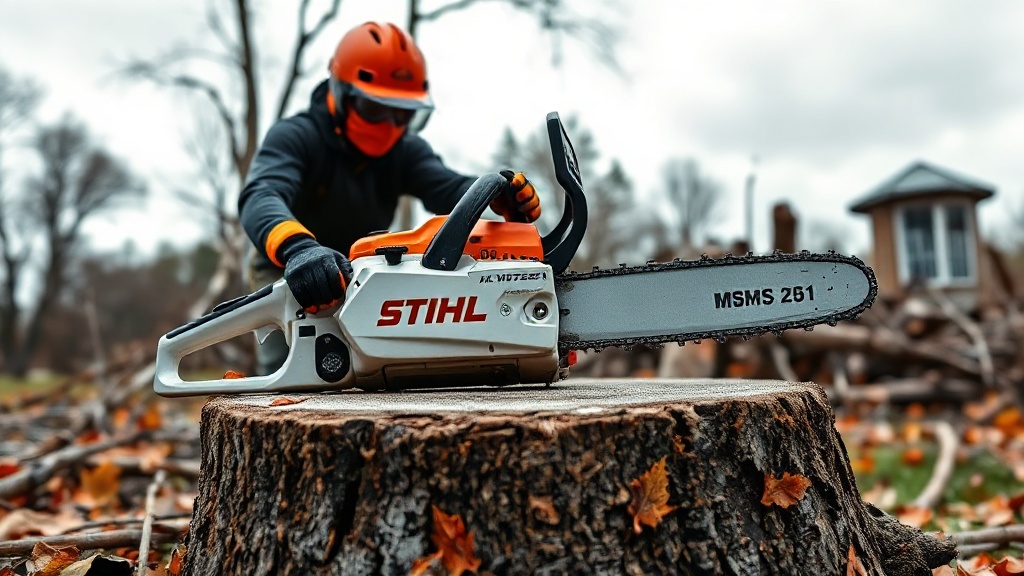
In the aftermath of a severe storm, property owners often face downed limbs, toppled trees, and compromised structures. The Stihl MS 251 chainsaw emerges as a reliable tool for such critical cleanup tasks, but its power demands a strict adherence to safety protocols. This article examines the essential safety-gear-equipment required when operating the Stihl MS 251 during post-storm operations, covering protective clothing, situational awareness, and proper maintenance.
Understanding the risks involved with emergency tree removal helps prevent injuries and ensures efficient work. The Stihl MS 251, with its 45.4 cc engine and 16-inch bar, delivers sufficient cutting capacity for medium-diameter storm debris, but its chain speed and kickback potential require operators to wear appropriate safety gear from head to toe.
What Are the Essential Safety Gear Items for Stihl MS 251 Post-Storm Use?
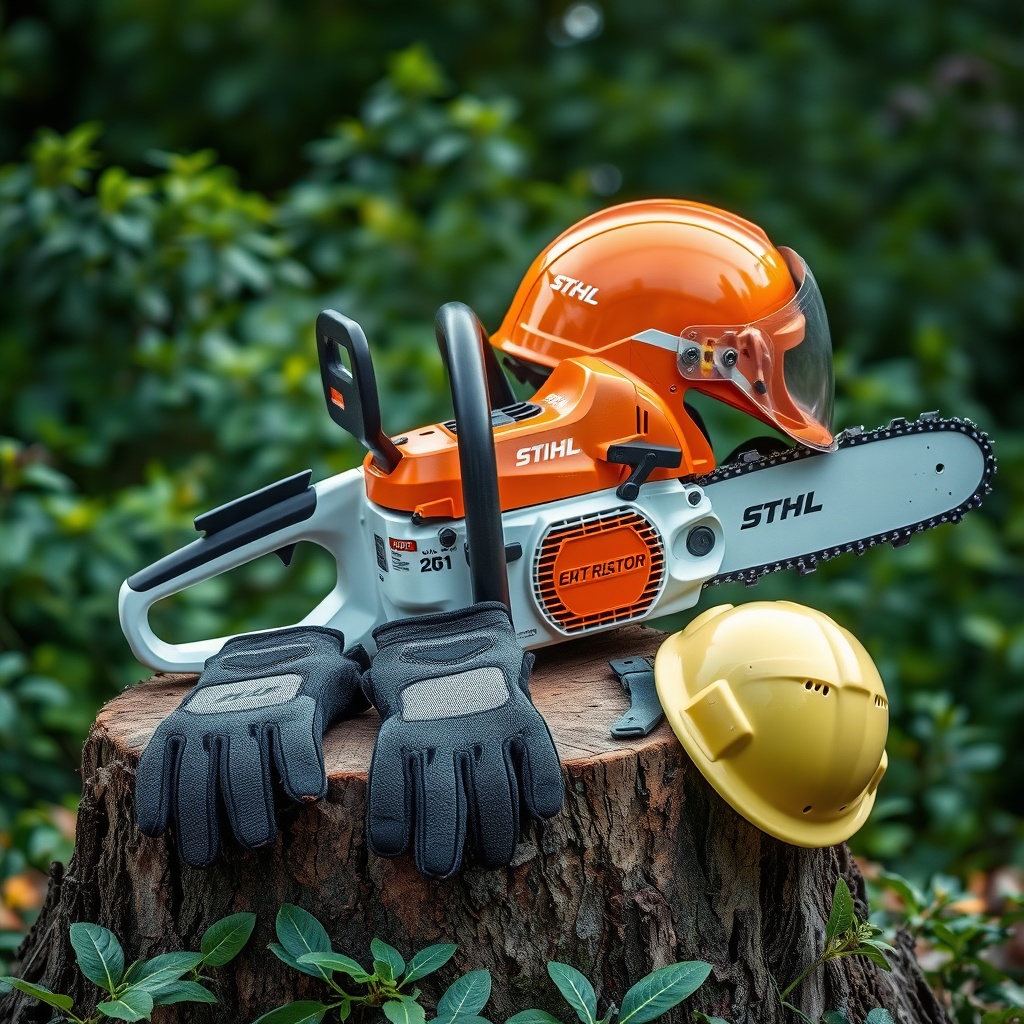
Safety gear for the Stihl MS 251 during storm cleanup goes beyond basic personal protective equipment (PPE). The unpredictable nature of storm-damaged trees—branches under tension, hidden cracks, and debris hidden in foliage—demands robust protection. The following list covers the minimum gear every operator should have:
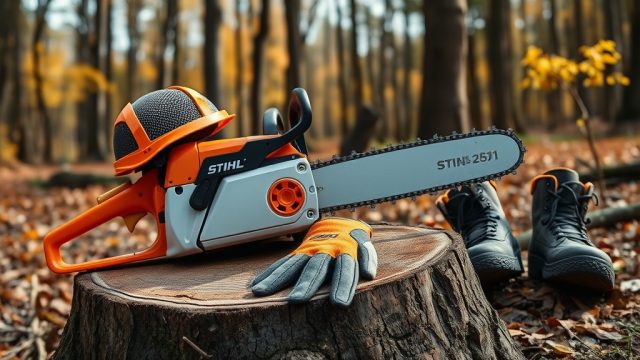
- Chainsaw Helmet with Face Shield and Hearing Protection: A compliant helmet (e.g., Stihl Advance Pro) with a mesh visor protects against falling branches, chips, and noise levels reaching 100 dB. Look for ANSI Z89.1 Type I, Class E or C ratings.
- Chainsaw Chaps or Pants: ASTM F1897-rated chaps (made of Kevlar or similar) stop the chain instantly if contact occurs. Storm cleanup increases kickback risk due to uneven terrain and woody debris.
- Steel-Toe or Composite-Toe Boots: Chainsaw-specific boots like Oregon or Stihl with cut-resistant material between the steel-toe and shin area. Weather-resistant boots are ideal for wet, muddy conditions.
- Gloves with Cut Resistance: ANSI/ISEA 138 Level 3 or higher gloves (e.g., Stihl ProMark) provide grip and reduce vibration. Look for reinforced palms and cuffs that extend past the wrist.
- Eye Protection (Safety Glasses): Even with a helmet visor, wrap-around safety glasses with Z87+ impact rating prevent debris from entering from the side.
- High-Visibility Vest: During community cleanup, visibility is crucial. A Class 2 or 3 reflective vest ensures others see you in low light or dense bush.
For more detailed guidance on these items, refer to our Stihl MS 251 Safety Gear for Chainsaw Operators article, which expands on each category and provides purchasing advice.
How Much Does Proper Safety Gear Cost for Stihl MS 251 Operators?
Investing in quality safety gear prevents medical bills and downtime. Below is a cost comparison for essential items at UK retailers (prices in GBP £, approximate as of 2025):
| Item | Budget Option (£) | Stihl/Professional Option (£) | Key Feature for Post-Storm |
|---|---|---|---|
| Chainsaw Helmet (with visor & muffs) | £45–£65 | £95–£140 | Mesh visor and ear muffs (up to 25 dB reduction) |
| Chainsaw Chaps (ASTM F1897) | £50–£80 | £120–£200 | Water-resistant outer for wet storm debris |
| Steel-Toe Boots (chainsaw-rated) | £70–£120 | £150–£250 | Cut-protection zone and slip-resistant sole |
| Cut-Resistant Gloves (ANSI level 3) | £20–£35 | £45–£70 | Vibration dampening and grip in rain |
| Eye Protection (Z87+) | £8–£15 | £20–£40 | Anti-fog and scratch-resistant |
| High-Visibility Vest (Class 2) | £10–£20 | £25–£40 | Breathable mesh for storm heat |
| Total | £203–£335 | £455–£700 | — |
Many operators start with budget gear but upgrade to Stihl-certified items after realising the durability required for storm cleanup. The Stihl MS 251 itself retails around £450–£550 new, making the safety gear a worthwhile investment at roughly 30-50% of the tool’s cost.
What Are the Unique Safety Risks When Using Stihl MS 251 During Storm Cleanup?
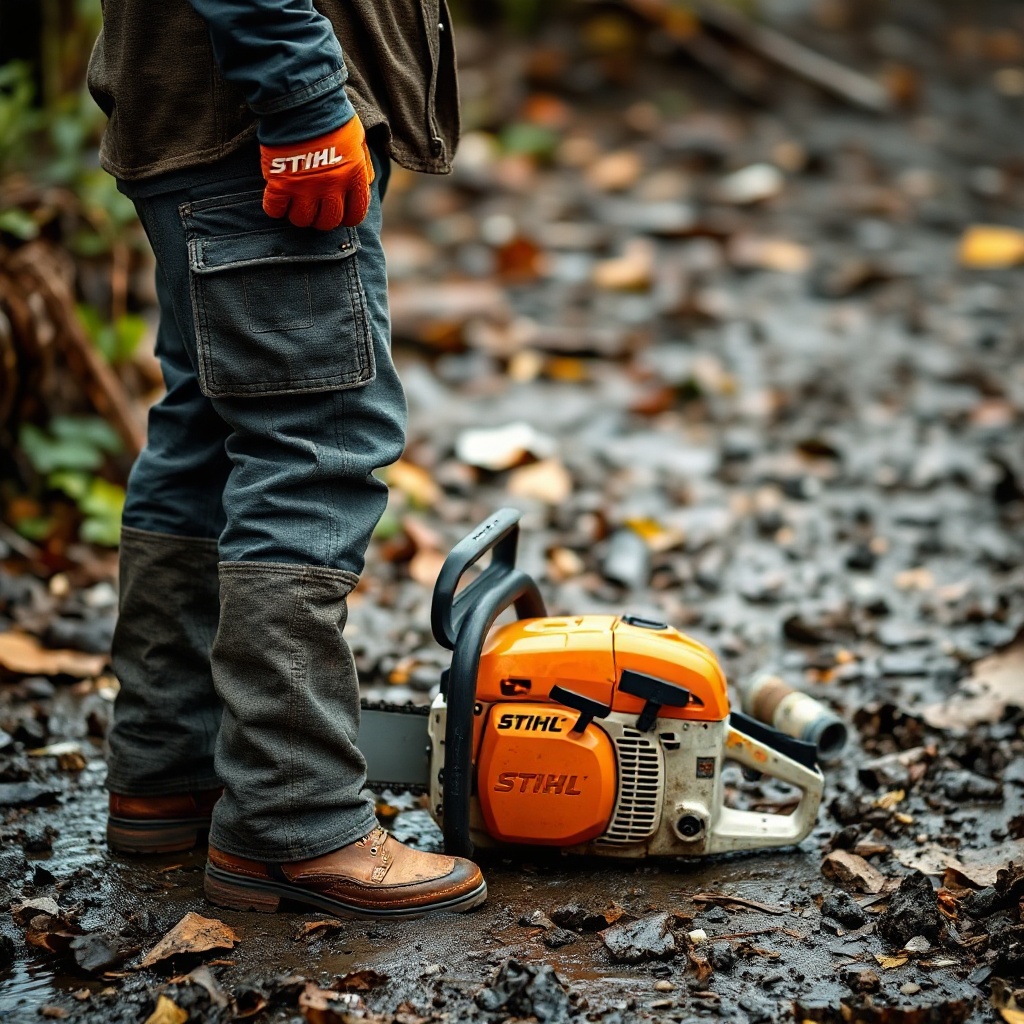
Post-storm tree removal differs from routine cutting. The Stihl MS 251’s lightweight design (about 5.0 kg without bar/chain) makes it attractive for moving quickly through debris, but several hazards become amplified:
- Spring Poles: Branches or trunks bent under tension from fallen trees can release violently when cut. The Stihl MS 251’s 16-inch bar should make smaller cuts initially to relieve pressure.
- Hidden Damage: Cracks in the tree structure, embedded power lines, or metal debris (e.g., fencing) can cause kickback or chain damage. Always inspect the work area twice.
- Wet Conditions: Rain, mud, and soaked bark reduce grip on the saw and footing. The Stihl MS 251 has a throttle lock and chain brake, but operator stability is paramount.
- Fatigue: Extended hours of cleanup can impair judgment. The Stihl MS 251’s low vibration (3.3 m/s² at rear handle) helps, but taking breaks every hour is essential.
For a detailed breakdown of managing wind-damaged trees, see our guide on Stihl MS 251 Emergency Tree Removal After Heavy Wind Damage: Tips and Techniques.
How Should Stihl MS 251 Safety Gear Be Maintained After Storm Use?
Storm debris often includes soil, sand, and moisture that degrade safety gear rapidly. Maintenance extends its life and effectiveness:
- Helmet and Visor: Clean with mild soap and water after each use. Replace visor if scratched (Stihl recommends every 2-3 years for visors). Check ear muff foam for compression.
- Chaps and Pants: Machine wash on gentle cycle in cold water (do not bleach). Check for frayed fibers that indicate Kevlar degradation. Replace if any chain contact occurred, even if no visible damage.
- Boots: Remove mud and debris from treads. Apply waterproofing treatments if leather. Inspect for cuts in the steel-toe area.
- Gloves: Hand wash and air dry. Replace when seams weaken or padding flattens. Vibration-reducing gloves lose efficacy over time.
- Storage: Keep all gear in a dry, ventilated area away from direct sunlight. UV radiation weakens Kevlar and plastic components.
When using the Stihl MS 251 in winter or icy conditions, the safety gear requires additional attention—learn more in our Stihl MS 251: Winter Tree Removal Tips for Icy Conditions article.
What Owners Say About Stihl MS 251 Safety Gear Experiences
Reviews from UK arborists and homeowners reveal common themes regarding the Stihl MS 251 and its associated safety equipment:
- John, Surrey: “I used my MS 251 after a storm took down an oak branch. My Stihl helmet with mesh visor was worth its weight in gold—saved my face from a falling twig. But chaps are mandatory; I saw a guy cut through his jeans with a similar saw.”
- Emma, Wales: “The MS 251 is light enough that I didn’t fatigue as fast during a 4-hour cleanup. But I learned the hard way that budget gloves don’t last. Upgraded to Stihl ProMark and feel much safer, especially with vibration dampening.”
- Mark, Scotland: “Post-storm, wet conditions caused my gloves to slip on the throttle. I now use rubber-dipped gloves with cut resistance. Also, always wear eye protection under the visor—sawdust gets through.”
- Liam, England: “I tried handling a medium-sized tree after wind damage without steel-toe boots. A log rolled onto my foot. Never again. Now I wear chainsaw-rated boots with my Stihl.”
- Sarah, London: “I bought a high-vis vest after nearly being hit by a car clearing roadside debris. Essential for visibility. The Stihl MS 251 cut through branches quickly, but I never work without my full kit.”
- Tom, Ireland: “Maintenance is key. I wash my chaps after every storm use. Sand from the bark can wear down the fibers. My Stihl dealer recommended replacing chaps every 3 years even if no cuts.”
Many owners also note that the MS 251’s chain brake and low-kickback chain (Stihl Rapid Super) reduce accidents, but gear remains non-negotiable. For those considering professional-grade storm response, see Professional vs DIY Tree Removal: Is It Worth It with Stihl MS 251? for a cost-benefit analysis.
Frequently Asked Questions About Stihl MS 251 Safety Gear
1. Do I need chainsaw chaps even with the Stihl MS 251’s chain brake?
Yes. The chain brake reduces kickback but does not eliminate all contact risks. Chaps (ASTM F1897) provide a second line of defense if the chain contacts your leg, especially during ground-level cutting typical in storm cleanup.
2. Can I use regular work boots instead of chainsaw-rated boots?
Not recommended. Regular steel-toe boots lack cut-resistant material in the upper. Chainsaw-rated boots (e.g., Stihl Explorer) have a Kevlar layer that can stop the chain for a split second. In post-storm conditions where footing is treacherous, this protection is vital.
3. How often should I replace the helmet visor on my Stihl setup?
Replace the visor when it shows scratches that impair vision or after any impact. Stihl advises visor replacement every 2-3 years under normal use, but storm cleanup may require annual replacement due to debris strikes.
4. What is the minimum cut resistance level for gloves with the Stihl MS 251?
ANSI/ISEA 138 Level 3 or higher. Level 3 gloves resist a blade force of 1,000-1,499 grams. For wet conditions, look for gloves with nitrile or rubber coating for grip. Avoid cheap, unbranded gloves that may not meet standards.
5. Is hearing protection necessary if I use the Stihl MS 251 for only 10 minutes?
Yes. The MS 251 produces around 100 dB at ear level. Even short exposure can cause temporary or permanent hearing loss. Use ear muffs or plugs rated at least 20 dB noise reduction. Storm cleanup often requires multiple short cuts, so keep hearing protection on the entire time.
6. Should I wear a high-visibility vest during night storm cleanup?
Absolutely. Many storm cleanups extend into twilight or night hours. A Class 2 or 3 vest with reflective striping ensures you are visible to vehicle traffic, other workers, or emergency vehicles. Consider adding a headlamp to your helmet for additional visibility.
For those considering stump grinding after storm removal, see Stihl MS 251 for Stump Grinding After Tree Removal: Techniques and Safety for guidance on extending the saw’s use.