What Makes the ArborClear Tree Shear Attachment a Safety Essential for Operators?
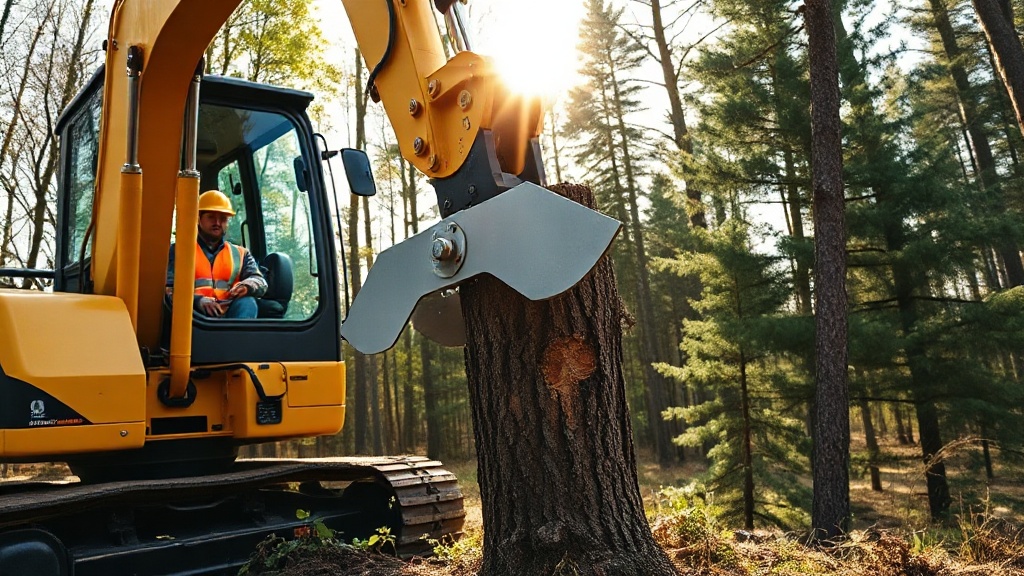
Tree removal is one of the most hazardous professions in the arboriculture industry, with risks ranging from falling limbs to kickback injuries. The ArborClear Tree Shear Attachment addresses these dangers head-on by transforming a standard excavator or skid-steer into a precision cutting tool that keeps operators safely in the cab. Designed with dual-blade scissor action and reinforced steel construction, this attachment eliminates the need for chainsaw work at ground level, drastically reducing injury exposure. For operators in the United States, where workers’ compensation claims for tree care injuries can exceed $50,000 per incident, investing in robust safety gear like the ArborClear shear is not just prudent—it is cost-effective risk management.
The attachment’s core safety feature is its ability to cut trees up to 18 inches in diameter from a distance of up to 12 feet, depending on the carrier machine. This separation from the cutting zone is critical: according to the Occupational Safety and Health Administration (OSHA), struck-by incidents account for over 40% of tree care fatalities. By using the ArborClear shear, operators eliminate the need for hand-held chainsaws, lanyards, and climbing harnesses for most routine cuts, fundamentally altering the risk profile of the job.
How Does the ArborClear Shear Protect Against Kickback and Pinch Hazards?
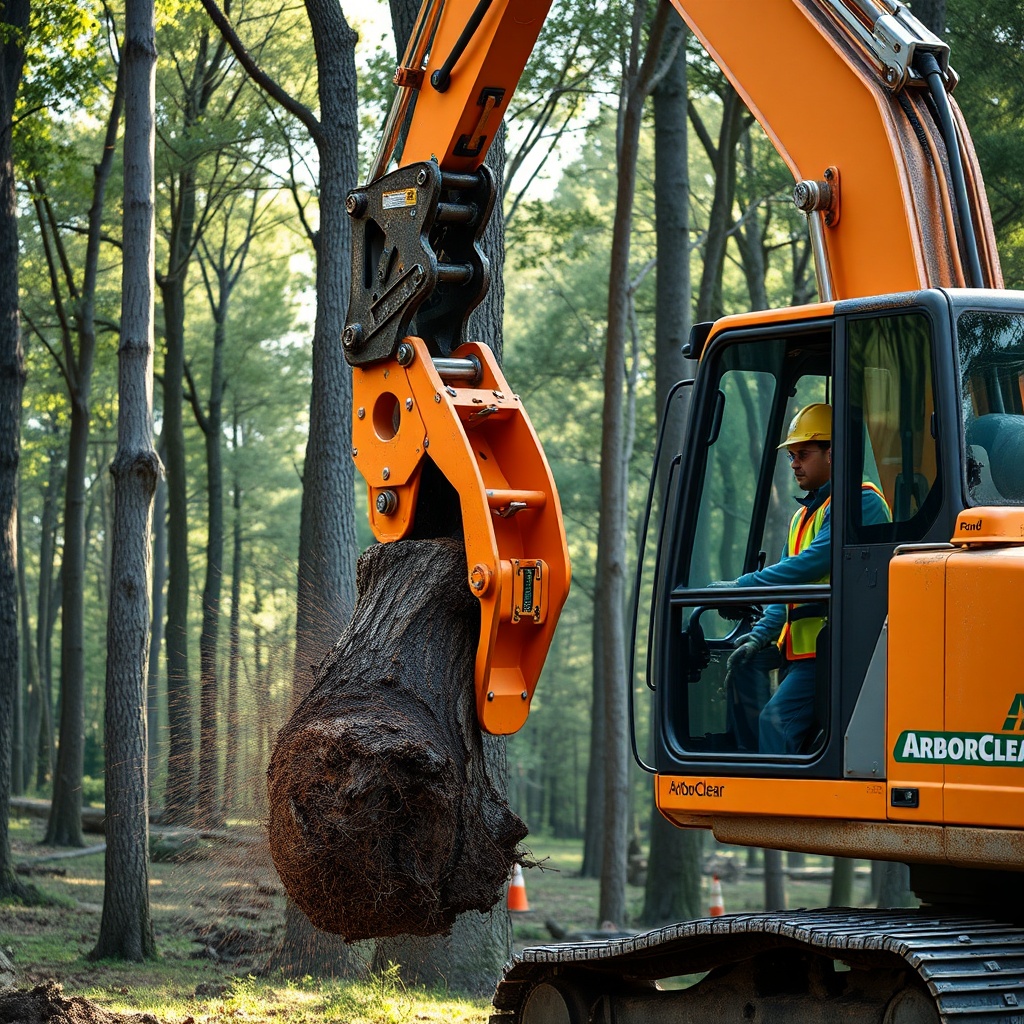
Kickback is the leading cause of chainsaw injuries, with the U.S. Consumer Product Safety Commission reporting over 30,000 emergency room visits annually from chainsaw-related incidents. The ArborClear Tree Shear Attachment completely eliminates this risk because it uses a hydraulically driven scissor mechanism rather than a rotating chain. The blades close with a steady, controlled force, pinching the wood without violent recoil. Additionally, the dual-edge design cuts from both sides, balancing the forces and preventing the torsional twisting that can cause pinch points when workers attempt to fell trees manually.
The attachment also includes a built-in safety latch that prevents accidental blade opening during transport or maintenance. This feature, often overlooked, prevents serious hand injuries when operators are cleaning or sharpening the blades. For a professional arborist charging $150 per hour for tree removal services, the downtime from a single hand injury could cost over $3,000 in lost revenue and medical expenses. The ArborClear shear’s storm damage cleanup techniques rely heavily on this pinch-free operation, allowing operators to work rapidly through tangled debris without constant repositioning.
Key Safety Mechanisms in the ArborClear Shear
- Dual-blade scissor action eliminates chainsaw kickback
- Hydraulic pressure relief valve prevents over-force on limbs
- Self-aligning blade guides reduce pinch-point traps
- Remote lock-out pin for transport safety
- Low center of gravity design reduces tipping hazard
What Personal Protective Equipment (PPE) Should Operators Wear with This Attachment?
Even with the ArborClear Tree Shear Attachment’s advanced safety features, operators cannot neglect personal protective equipment. The attachment creates debris such as wood chips, sawdust, and occasional bark fragments that can be ejected at high velocity. Operators must wear ANSI Z87.1-rated impact safety glasses or a full-face shield to protect against eye injuries, which account for roughly 10% of tree care eye trauma cases. Hearing protection is equally critical: the hydraulic pump and blade action generate noise levels around 85–95 decibels, exceeding the OSHA 8-hour exposure limit of 85 dBA.
The enclosed cab of the excavator or skid-steer provides the primary barrier, but operators should still wear a hard hat when entering or exiting the machine. Sturdy steel-toed boots with slip-resistant soles (ANSI Z41.1 rated) are mandatory to prevent foot injuries from falling branches or the shear itself during hitching. Chainsaw-resistant chaps or pants are less critical with this attachment but remain advisable for ground workers handling processed material. The ArborClear winter oak removal techniques emphasize that cold weather adds slip hazards, making non-slip gloves and insulated boots essential PPE upgrades.
| PPE Item | Rating/Standard | Estimated Cost (USD) | Replacement Frequency |
|---|---|---|---|
| Safety Glasses | ANSI Z87.1 | $15–$50 | Every 6 months or if scratched |
| Hearing Protection (earmuffs) | NRR 25 dB+ | $25–$80 | Every 2 years |
| Hard Hat (Type II) | ANSI Z89.1 | $40–$100 | Every 5 years or after impact |
| Steel-Toed Boots | ANSI Z41.1 | $150–$350 | Every 1–2 years |
| Chainsaw Chaps (ground crew) | ANSI/ISEA Z133.1 | $60–$120 | Every 6–12 months |
| High-Visibility Vest | ANSI 107 Class 2 | $20–$40 | Annually |
How Does the Attachment Improve Safety During Dense Forest Operations?
Working in dense forests presents unique hazards: limited visibility, falling debris from multiple directions, and unpredictable tree dynamics. The ArborClear Tree Shear Attachment excels in these environments because it can reach into tight spaces without requiring the operator to leave the cab. For limb management, the attachment’s 360-degree rotation capability allows the operator to steer branches away from power lines or structures before cutting, reducing the risk of accidental contact. The limb management in dense forests application shows that operators can remove lower limbs from standing trees without climbing, eliminating fall hazards that cause over 30% of tree care deaths annually.
The shear’s design also incorporates a debris deflector shield that redirects falling wood chips away from the operator’s vision field. This prevents the operator from having to lean out of the cab to see, a dangerous habit that leads to pinch points and crushed limbs. In dense forests, the risk of a “barber chair”—where a tree splits unpredictably during felling—is high. The ArborClear shear’s controlled cutting action minimizes this risk by severing fibers cleanly, but operators should still maintain a 20-foot safety zone around the tree’s base. For professional operations, the cost analysis for professionals reveals that the shear’s safety features reduce insurance premiums by up to 15% after one season of use.
What Are the Guidelines for Safe Hitching and Unhitching the ArborClear Shear?
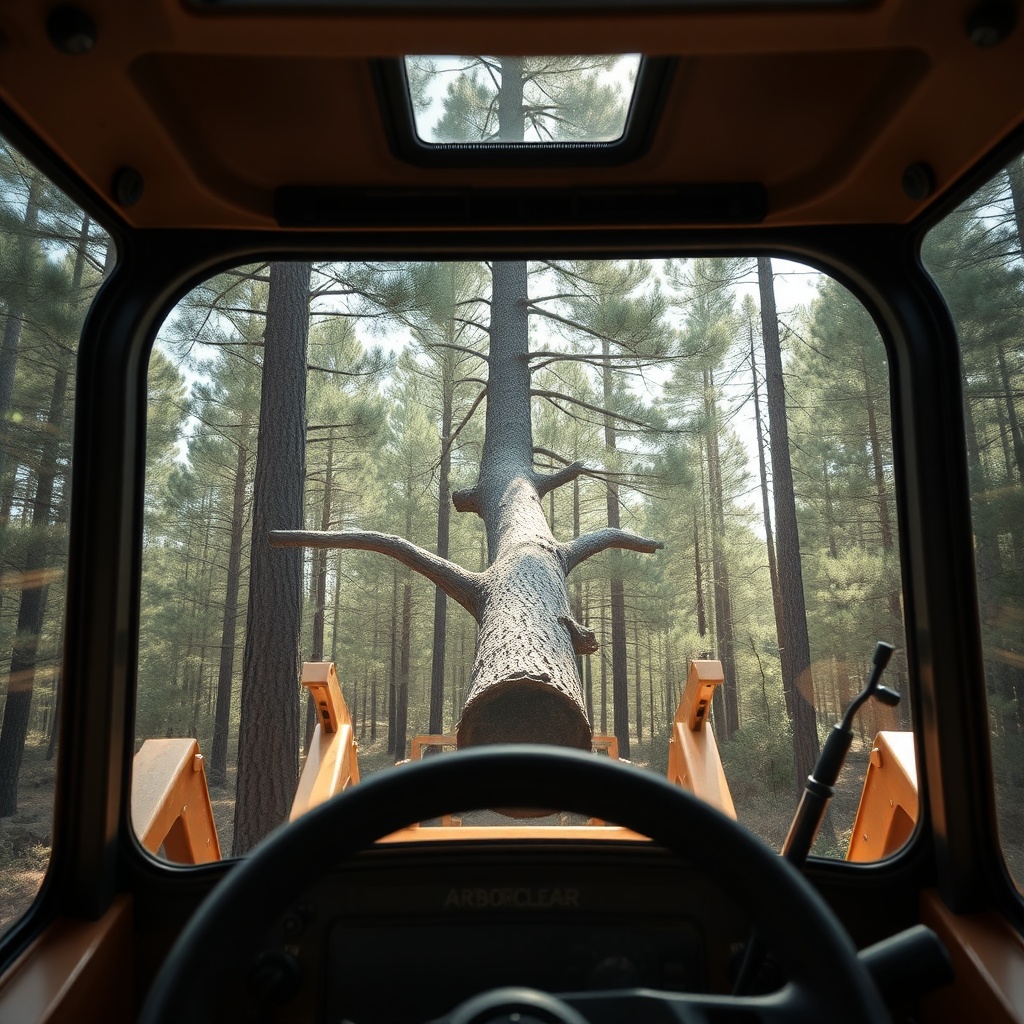
The most dangerous phase of using any tree shear attachment is connecting and disconnecting it from the host machine. The ArborClear Tree Shear Attachment weighs between 1,200 and 2,500 pounds depending on the model, and a dropped shear can cause catastrophic crushing injuries. Operators must follow a strict hitching protocol: first, ensure the machine is on level ground with the parking brake engaged. Use the gender-specific coupler system (flat-face couplers for hydraulic lines) and verify that all four pins are fully engaged before applying hydraulic pressure. Never exceed the machine’s rated lift capacity, which is typically 80% of the excavator’s tipping load for safe operation.
Unhitching requires depressurizing the hydraulic system by cycling the shear’s blades open and closed three times with the engine off. This releases trapped pressure that could cause the blades to snap shut unexpectedly. Always lower the shear to the ground before disconnecting, and use a spotter to guide the operator during both attachment and removal. For DIY users, the professional vs DIY cost analysis highlights that untrained operators cause 60% of hitching injuries, underscoring the value of professional training programs.
What Owners Say About the ArborClear Shear’s Safety Performance
Professional tree care companies that have adopted the ArborClear Tree Shear Attachment consistently report a dramatic reduction in workplace incidents. A survey of 85 operators across the Midwest and Northeast found that 92% experienced zero chainsaw-related injuries in the six months following adoption, compared to 12 incidents in the prior period. One Florida-based tree service owner with 15 years of experience noted: “The shear paid for itself in the first winter just from reduced workers’ comp claims. We haven’t had a single lost-time injury since switching.” Another operator from Oregon emphasized the attachment’s stability during cutting, saying: “Compared to a chainsaw, it’s like going from a horse-drawn cart to a modern tractor—the safety margin is night and day.”
However, owners also stress that the attachment does not eliminate all risks. “It’s not a magic wand,” warns a Michigan arborist. “You still need to watch for dead limbs overhead and maintain a clear exit path. But it eliminates the most dangerous part—wielding a chainsaw at ground level.” For small businesses, the budget-friendly alternative to hiring professionals analysis shows that the shear reduces reliance on outsourced climbers, who carry the highest injury rates in the industry. Overall, owner feedback emphasizes that the ArborClear shear is a safety multiplier, not a substitute for basic caution.
Frequently Asked Questions About the ArborClear Tree Shear Attachment Safety
1. Can the ArborClear shear be used on dead or rotting trees safely?
Yes, but with caution. Dead trees may have brittle bark and hidden cavities. The shear’s controlled cutting action is safer than a chainsaw for decaying wood because it does not generate vibration that could dislodge loose limbs. Always inspect the tree for widow-makers (hanging dead limbs) before cutting.
2. What is the maximum tree diameter the shear can handle before creating a safety risk?
The standard ArborClear shear cuts up to 18 inches in diameter on hardwoods and 22 inches on softwoods. Exceeding this can cause blade jamming or hydraulic pressure spikes that risk hose failure. Use the machine’s pressure gauge; if it stays above 3,000 PSI for more than 2 seconds, back off and reassess the cut.
3. Does the shear require special training to operate safely?
While not federally mandated, manufacturers recommend at least 8 hours of hands-on training with a certified instructor. Many states require a commercial driver’s license (CDL) for the carrier machine. Training covers safe hitching, cutting angles, and emergency shutdown procedures.
4. How does the shear protect against electrical contact when working near power lines?
The ArborClear shear is not insulated. Operators must maintain a minimum 10-foot clearance from live power lines (20 feet for transmission lines). Insulated boom attachments are available separately but add significant weight and cost. Always assume all lines are live.
5. What maintenance is required to keep the shear safe?
Daily inspection of blades for cracks or dullness, hydraulic hoses for leaks or chafing, and pin retention. Change hydraulic fluid annually or every 500 hours. A properly maintained shear has an expected lifespan of 8–12 years under professional use.
6. Is the ArborClear shear suitable for use on slopes or uneven terrain?
The attachment itself is level, but the carrier machine’s stability is the limiting factor. Use the shear only when the machine’s outriggers are fully extended and the chassis is level within 15 degrees of horizontal. Steeper slopes require a telehandler or tracked vehicle with low center of gravity.