Selecting the Correct Heavy-Duty Gloves for Stihl MS 251 Operation
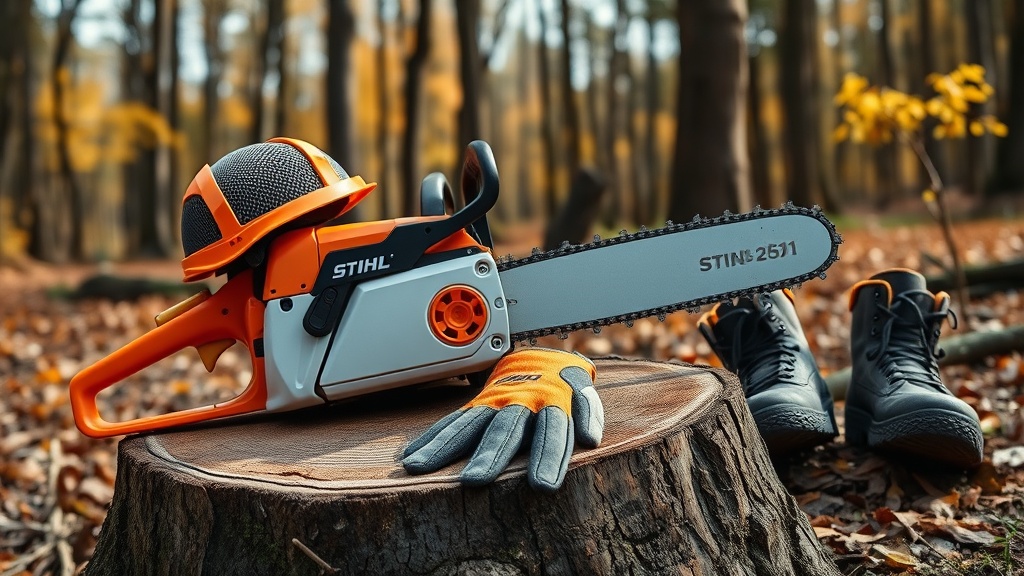
For anyone operating the Stihl MS 251, hand protection is non-negotiable. The ideal chainsaw glove combines cut resistance, a secure grip, and flexibility. Look for gloves rated under EN 381-7, which is the European standard for chainsaw protective gloves. The left-hand glove (holding the front handle) often has additional reinforcement on the back of the hand and thumb. In the UK market, a good pair of Class 1 chainsaw gloves typically costs between £25 and £45. You should replace gloves immediately if the protective padding becomes hard, cracked, or shows any signs of wear, as compromised material will not stop a chain in the event of contact. Avoid gloves with loose cuffs or straps that could snag on branches or the saw’s controls.
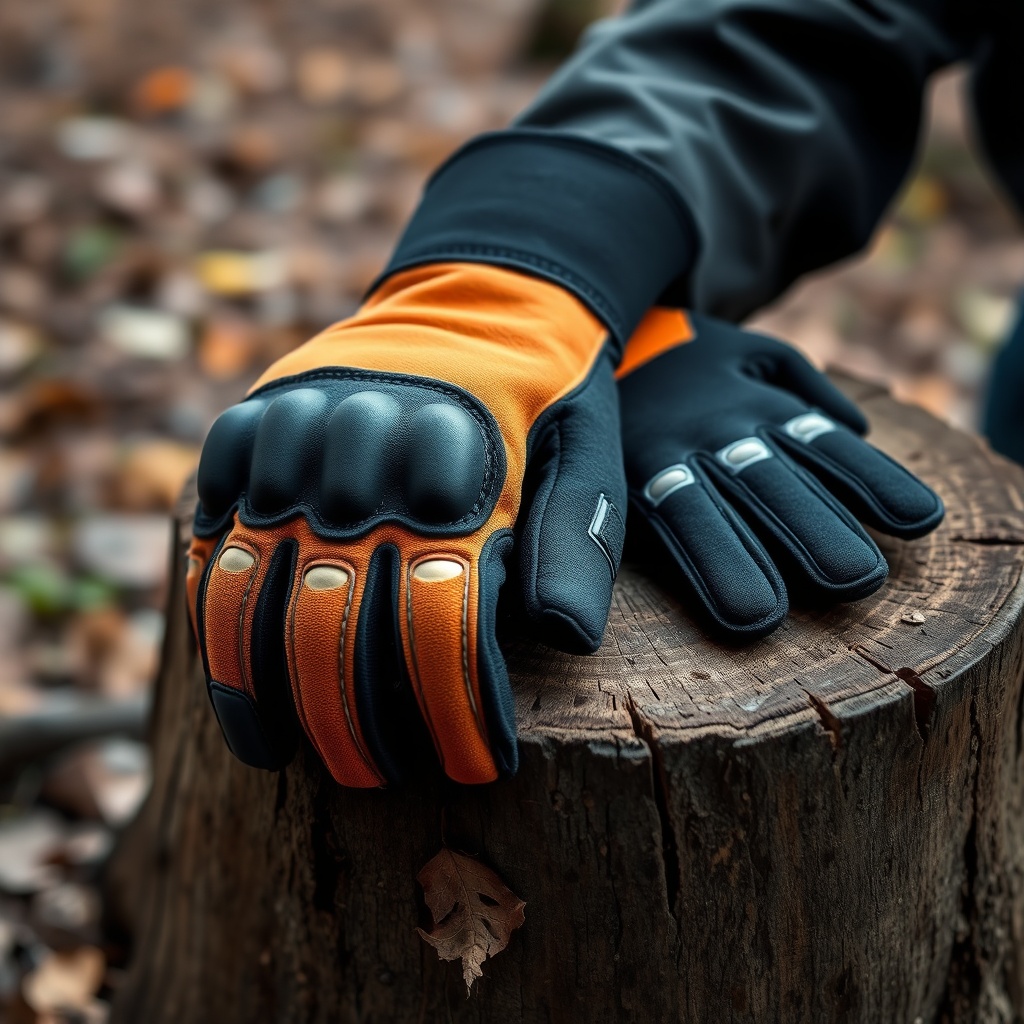
When working with a Stihl MS 251, particularly during tasks like stump grinding after tree removal, the risk of debris and vibration is significant. Gloves with integrated vibration dampening pads, such as those using gel or foam inserts in the palm, can reduce hand-arm vibration syndrome (HAVS) over longer cutting periods. It is advisable to purchase two pairs so you always have a dry set available, as wet leather greatly reduces dexterity and protection.
Why a Forestry Helmet System Is Essential with the Stihl MS 251
The Stihl MS 251 is a powerful tool, and a standard hard hat is insufficient. A full forestry helmet system integrates a helmet, a flip-up mesh visor, and ear defenders into one unit. The helmet must meet EN 397 for impact protection. The visor, which must meet EN 1731, protects your face from flying chips, sawdust, and, critically, from contact with the saw chain during kickback. Ear defenders should have a minimum SNR (Single Number Rating) of 25 dB, as the MS 251 generates around 105–109 dB(A) at the operator’s ear depending on the bar length. A full Stihl-brand forestry helmet system like the Stihl Advance X-Trem costs approximately £80 to £120 from UK dealers.
During winter tree removal, a helmet system keeps your head warm but also requires anti-fog treatment on the visor. Never operate the MS 251 without the mesh visor down. Many operators also add a high-visibility helmet cover or integrated LED headlamp for work in low light or dense woodland. The helmet must be replaced immediately after any significant impact, as hairline cracks can compromise its protective integrity.
Chainsaw Protective Trousers: Cut Resistance Levels for the MS 251
Protective trousers (chaps) are designed to stop a running chain within milliseconds by jamming the sprocket or pulling fibres into the drive link. There are two main types: full-wrap trousers (protecting both legs) and apron-style chaps (protecting the front of the legs only). For the Stihl MS 251, which uses chains with a pitch of .325” or 3/8” Picco, Class 1 protection is the minimum standard required (20 m/s chain speed). Class 2 protection (24 m/s) offers a higher margin and is recommended for professional operators.
| Protection Class | Chain Speed Rating | Typical UK Price Range | Best Use with Stihl MS 251 |
|---|---|---|---|
| Class 1 (Type A) | Up to 20 m/s | £70 – £120 | General firewood cutting & occasional use |
| Class 2 (Type C) | Up to 24 m/s | £120 – £200 | Daily professional use & heavy limbing |
| Class 3 (Type E) | Up to 28 m/s | £200 – £350 | High-speed chains (rare with MS 251) |
When buying trousers for the MS 251, ensure they are long enough to cover your boot top completely. Chaps should be worn over trousers, not in place of them. Always inspect the protective pads for tears or cuts after each use—any damage reduces their effectiveness. For professional vs. DIY tree removal, professionals almost exclusively use full-wrap Class 2 trousers for this saw.
Essential Eye and Hearing Protection for the Stihl MS 251 Operator
Even with a helmet system, dedicated eye and hearing protection is critical if you remove the helmet for any period. Chainsaw operation produces noise levels that can cause permanent hearing loss after only minutes of exposure. The Stihl MS 251 has a sound power level of 116 dB(A). You need ear defenders that provide at least 25 SNR (Single Number Rating), ideally 30 to 32 dB. Over-ear muffs (ear defenders) are preferable to earplugs because they can be removed quickly after stopping the saw, and they also offer some protection from flying debris.
For eye protection, you cannot rely on prescription glasses. You need either a mesh visor (which offers good ventilation) or a clear polycarbonate visor that meets EN 166. Mesh visors are better for heavy, thick brush because they don’t fog up, but clear visors provide better overall debris exclusion. A spare pair of safety glasses or goggles costing £10 to £20 is a wise investment for quick checks or tasks where the full helmet feels cumbersome. Avoid scratched visors, as they reduce visibility and cause eye strain.
After a storm, when you need Stihl MS 251 emergency tree services, you may be working in wet and windy conditions. Under these circumstances, rain on a mesh visor can reduce visibility. A clear polycarbonate visor with an anti-scratch coating is the better choice. Always carry a small cloth and anti-fog wipes to keep your vision clear during emergency response.
Footwear: Chainsaw Boots for the Stihl MS 251
Ordinary steel-toe boots provide no protection against a chainsaw chain. You must wear dedicated chainsaw boots that meet EN ISO 17249. These boots have a protective lining (usually made from high-strength fabric like Kevlar) in the critical areas—the top of the foot, the shin, and the ankle. The Stihl MS 251 has a high chain speed, so Class 1 boots (20 m/s) are the minimum. However, Class 2 boots (24 m/s) are strongly advised, especially if you are using a longer 18-inch bar.
The soles must be made of oil- and slip-resistant rubber. Chainsaw boots typically have a tread pattern designed to grip wet wood and forest floor debris. A quality pair of Stihl chainsaw boots costs between £150 and £250 in the UK. Look for boots with a reinforced toe cap and a steel midsole to protect against spikes and sharp branch ends. Boots with a waterproof membrane (e.g., GORE-TEX) are essential for UK weather conditions, particularly when working in wet ground after a windstorm. You should replace boots if the stitching near the protective pad shows any sign of fraying or if the protective lining can be felt or seen through a tear.
What Owners Say About Safety Gear for the Stihl MS 251
Experienced owners of the Stihl MS 251 consistently emphasise that cutting corners on safety gear is a false economy. Many note that the saw is powerful enough to cause serious injury in a fraction of a second. One common thread in online forums (like Arbtalk and the Stihl owner groups) is the importance of buying from a reputable dealer to ensure the gear is genuine and standards-compliant. Counterfeit chainsaw trousers and gloves are a known problem in the UK market, offering little to no real protection.
Owners recommend paying extra for the Stihl-branded trousers or chaps specifically designed for the saw’s chain pitch, as they fit more securely. Another popular tip among MS 251 users is to keep a dedicated first-aid kit that includes a tourniquet, haemostatic gauze (e.g., Celox or QuickClot), and large trauma dressings. The wait for an ambulance in remote areas can be 30 to 45 minutes. Many owners also carry a spare pair of gloves and ear plugs in the saw’s toolbox to ensure they never have to borrow gear that might be damaged or ill-fitting. Several owners who have used the saw for winter tree removal stress the value of insulated, waterproof gloves that still offer the required cut protection.
Frequently Asked Questions About Stihl MS 251 Safety Gear
- Can I use a regular hard hat with my Stihl MS 251?
No. A standard hard hat does not protect your face from flying debris or from a chain during kickback. You need a full forestry helmet system that includes a mesh visor and ear defenders. - Is it safe to wear jeans under chainsaw chaps?
Yes, but you should wear close-fitting trousers to prevent the chaps from shifting. Never wear loose-fitting trousers, as they can be drawn into the saw. The chaps must cover the full length of your lower leg down to the top of your boot. - How often should I replace my chainsaw gloves?
Replace gloves immediately if the protective padding feels hard, cracked, or if there is any tear in the outer leather. As a rule of thumb, if you feel any vibration or discomfort, inspect the glove. For heavy users, replace every 6 to 12 months. - What is the minimum ear protection rating for the MS 251?
You need ear defenders with a SNR (Single Number Rating) of at least 25 dB. The MS 251 can produce 116 dB(A), so 25 dB reduces this to approximately 91 dB(A), which is still loud. Professionals typically wear 30–32 dB defenders. - Do I need Class 2 trousers for the MS 251?
Class 1 trousers (20 m/s) are the legal minimum. However, Class 2 (24 m/s) offers a significantly higher safety margin, especially if the chain is sharp and fast. For professional use or for heavy limbing after a storm, Class 2 is strongly recommended. - Can I use regular steel-toe boots for chainsaw work?
No. Regular steel-toe boots offer no cut protection. You must wear dedicated chainsaw boots that meet EN ISO 17249 and include a protective lining in the shin, top of foot, and ankle areas. Standard safety boots will not stop a chain.